Good Guy Rx
Take care of what God gave you.
Get started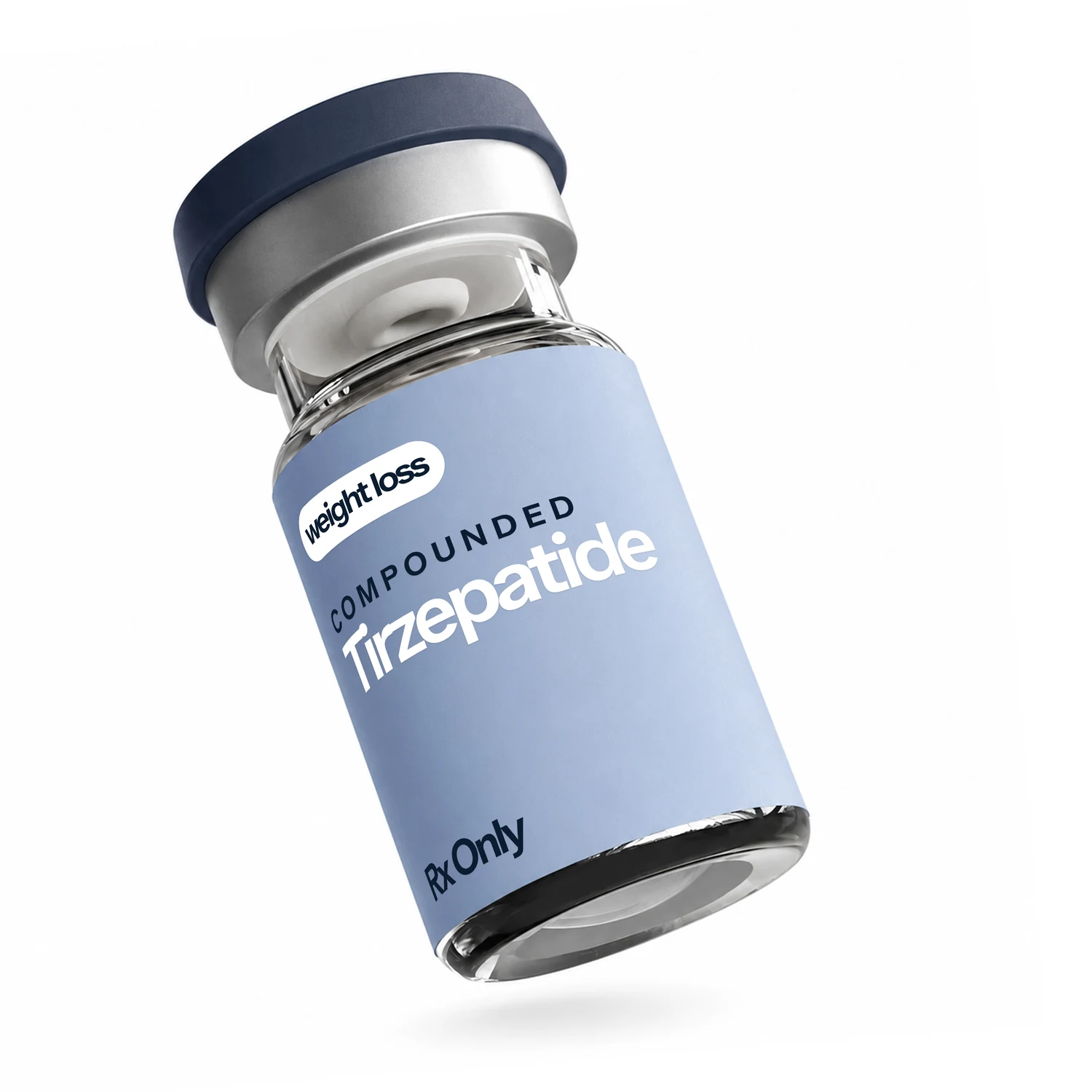
Compounded TirzepatideRx
Weekly GLP-1 + GIP injection.
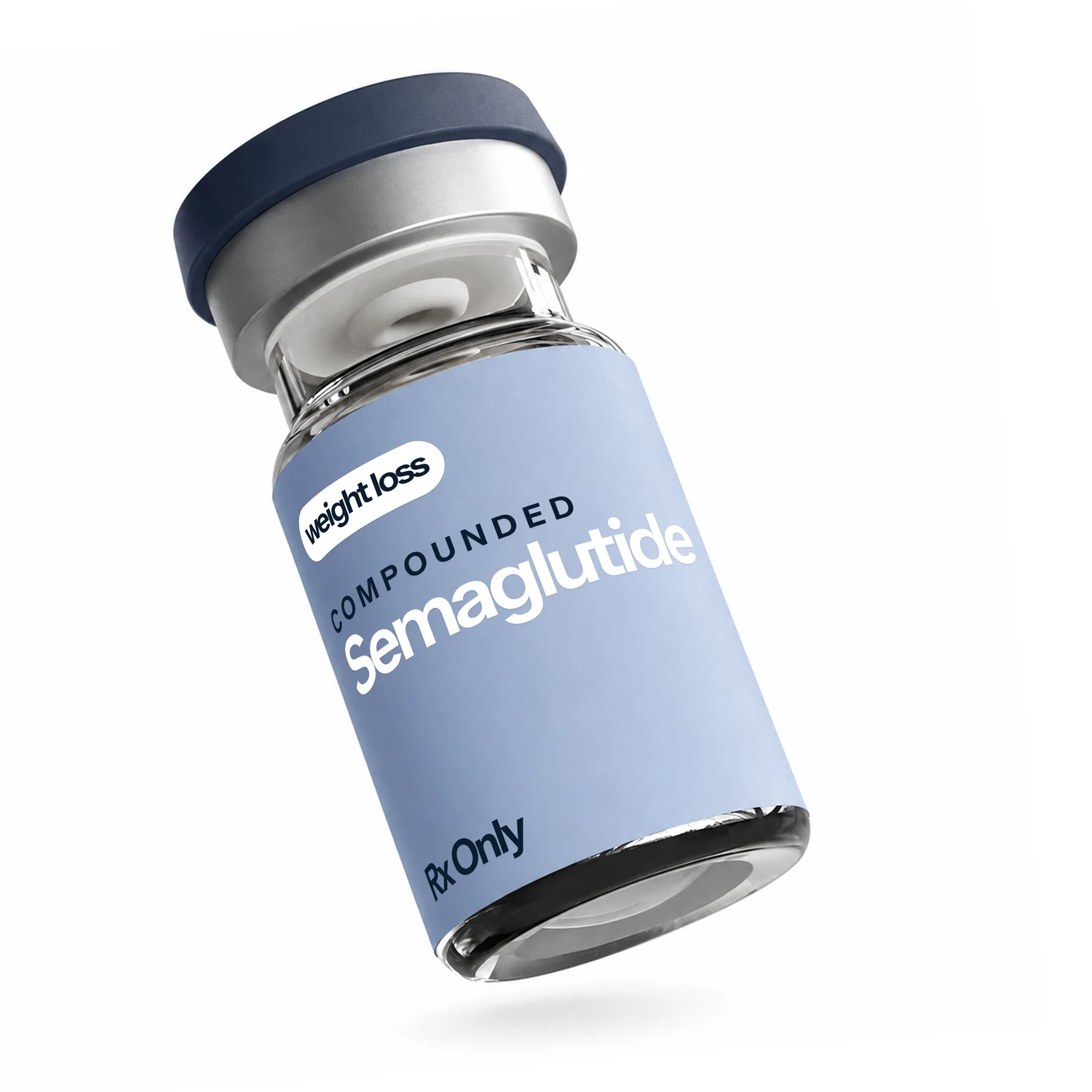
Compounded SemaglutideRx
Weekly GLP-1 injection.
TadalafilRx
Generic Cialis®. Lasts up to 36 hours.
SildenafilRx
Generic Viagra®. Works in 30 minutes.
FinasterideRx
Generic Propecia®. Blocks DHT daily.
Hair Regrowth SprayRx
3-in-1 topical: finasteride + minoxidil + tretinoin.
Sarcopenia in Men Over 50: What You Need to Know

Written by Wesley P.
Published March 7, 2026
Key Takeaways
# Sarcopenia in Men Over 50: The Muscle Loss Almost No One Warns You About
If you've searched "why am I losing muscle as I get older" or noticed that the same effort in the gym produces less than it did a decade ago, you are not imagining it. There is a clinical name for what is happening: sarcopenia. It is one of the most consequential and least discussed aspects of men's health after 50, and National Nutrition Month is a reasonable time to address it plainly.
What Sarcopenia Actually Is
Sarcopenia (from the Greek sarx, flesh, and penia, loss) is the progressive loss of skeletal muscle mass, strength, and function that occurs with aging. It is not simply being out of shape. It is a physiological process with measurable benchmarks and documented health consequences.
According to research published in the *Journal of Clinical Endocrinology and Metabolism*, men begin losing muscle mass at a rate of roughly 3 to 8 percent per decade after age 30, with that rate accelerating significantly after age 60. The National Institutes of Health recognizes sarcopenia as a major contributor to disability, falls, metabolic decline, and loss of independence in older adults.
This is not a fringe concern. A 2019 consensus report from the European Working Group on Sarcopenia in Older People, cited widely in peer-reviewed literature, estimated that sarcopenia affects between 10 and 20 percent of adults over 60 globally. Most of them were never told it had a name.
Why Men Over 50 Are Particularly Exposed
Several intersecting factors make age-related muscle loss more pronounced in men during their fifth and sixth decades.
Testosterone plays a direct role in muscle protein synthesis — the biological process by which the body repairs and builds muscle tissue. According to the American Urological Association, testosterone levels in men decline at approximately 1 to 2 percent per year beginning in the mid-30s. By the mid-50s, that cumulative decline is substantial. Lower testosterone means the anabolic signal that drives muscle repair is weaker, even when training volume stays the same.
Compounding this is a decline in growth hormone and insulin-like growth factor 1 (IGF-1), both of which support muscle tissue maintenance. The body's ability to utilize dietary protein also becomes less efficient with age — a phenomenon researchers call anabolic resistance. In practical terms, this means a 55-year-old man needs more dietary protein than a 25-year-old to achieve the same muscle-preserving effect. Results may vary by individual.
Poor sleep accelerates the process. The CDC reports that men over 45 are among the most sleep-deprived demographic groups in the United States. Deep sleep is when the body releases growth hormone and conducts the bulk of its muscle repair. Chronic sleep debt is not a minor inconvenience — it is a direct contributor to accelerated muscle loss.

What the Research Says About Slowing It Down
The science on sarcopenia is not discouraging. The evidence base for intervention is solid. Two inputs consistently rise to the top: resistance training and protein intake.
Resistance training in older men has been studied extensively. A landmark meta-analysis published in the [British Journal of Sports Medicine](https://bjsm.bmj.com/) found that progressive resistance training two to three times per week produced meaningful gains in muscle mass and strength in men over 60, including men who had been sedentary for years. The key word is progressive — the load must increase over time to continue stimulating adaptation. Walking, while valuable for cardiovascular health, does not produce the mechanical stimulus that preserves muscle. Results may vary.
On the nutrition side, the consensus in sports medicine and geriatric research has shifted. The NIH Office of Dietary Supplements notes that older adults likely require protein intakes above the standard Recommended Dietary Allowance of 0.8 grams per kilogram of body weight per day. Many researchers in this field now suggest 1.2 to 1.6 grams per kilogram as a more appropriate target for men over 50 who are physically active. High-quality protein sources — eggs, lean beef, chicken, fish, legumes, Greek yogurt — distribute the amino acid leucine across meals, which is the primary trigger for muscle protein synthesis.
The Mediterranean dietary pattern is worth noting here. Peer-reviewed research published in the [American Journal of Clinical Nutrition](https://academic.oup.com/ajcn) has associated Mediterranean-style eating — emphasizing fish, olive oil, vegetables, whole grains, and moderate legume intake — with better preservation of muscle mass and physical function in older adults compared to Western dietary patterns. This is not a restrictive regimen. It is a reorientation toward foods that have long supported the health of working men.
Micronutrients That Matter
Adequate protein and resistance training are the foundation. Several micronutrients support the structure around that foundation.
Vitamin D plays a documented role in muscle function. The NIH notes that vitamin D deficiency is associated with muscle weakness and increased fall risk in older adults. Many men over 50 — particularly those who work indoors or live in northern latitudes — carry insufficient levels without knowing it. A blood panel through a licensed provider is the appropriate way to assess this.
Vitamin B12 is less frequently discussed in the context of muscle health, but its role in nerve function and energy metabolism is directly relevant. B12 deficiency impairs the nerve signaling that coordinates muscle contraction and contributes to fatigue that makes consistent training harder to sustain. According to the NIH Office of Dietary Supplements, B12 absorption declines with age due to reduced intrinsic factor production in the stomach, making deficiency more common in men over 50 even when dietary intake appears adequate.
Where Good Guy Rx Fits
Good Guy Rx is a technology platform. It connects men to independent licensed physicians and independent state-licensed pharmacies. It does not manufacture medications or dispense them directly.
If a licensed provider determines through consultation that nutritional support is appropriate, **Vitamin B12** is available through the platform. B12 preparations offered through Good Guy Rx are prepared by state-licensed compounding pharmacies in accordance with FDA regulations. They are not FDA-approved compounded medications — that distinction matters, and it is stated plainly here.
The platform is built for men who want clinical structure, not a subscription box. An online consult connects you with a licensed provider who can review your labs, your history, and your goals — and make a recommendation grounded in your actual numbers.

What to Do Next
Sarcopenia is not reversed in a weekend, but the path forward is straightforward.
- Start a resistance training protocol. Two to three sessions per week, focused on compound movements — squats, presses, rows, hinges. Progressive load over time. If you have not lifted in years, start with a certified trainer for the first four to six weeks to establish sound mechanics.
- Audit your protein intake. For a 200-pound man, a target of 1.2 to 1.6 grams per kilogram translates to roughly 110 to 145 grams of protein per day. Most men eating a standard American diet fall well short of this. Track your intake for two weeks to establish a baseline.
- Prioritize sleep as a clinical input. Seven to nine hours per night is not optional for men who want to preserve muscle. If sleep quality is poor, address it directly — through a provider if necessary.
- Get a baseline blood panel. Testosterone, vitamin D, B12, and a complete metabolic panel give you a factual foundation. If you have not had labs in the past year, request them. If a provider through Good Guy Rx identifies a nutritional gap, the platform can connect you to appropriate support, including **B12** if clinically indicated.
The body you are maintaining at 55 or 65 is a gift that requires stewardship. The tools to steward it well are available and evidence-based. The first step is knowing what you are dealing with.
Sources
- Sarcopenia: Revised European Consensus on Definition and Diagnosis — *Age and Ageing* — https://academic.oup.com/ageing/article/48/1/16/5126243
- Muscle Loss and Aging — National Institutes of Health — https://www.nih.gov/
- Testosterone and Aging — American Urological Association — https://www.auanet.org/
- Vitamin B12 Fact Sheet for Health Professionals — NIH Office of Dietary Supplements — https://ods.od.nih.gov/factsheets/VitaminB12-HealthProfessional/
- Resistance Training and Muscle Mass in Older Adults — British Journal of Sports Medicine — https://bjsm.bmj.com/
- Mediterranean Diet and Muscle Preservation — American Journal of Clinical Nutrition — https://academic.oup.com/ajcn
- Sleep and Chronic Disease — CDC — https://www.cdc.gov/sleep/index.html
- Vitamin D and Muscle Function — NIH Office of Dietary Supplements — https://ods.od.nih.gov/factsheets/VitaminD-HealthProfessional/
This article is for informational purposes only and does not constitute medical advice. Talk with a licensed provider through the patient portal before starting any treatment.
References
- [Muscle Loss and Aging — National Institutes of Health — https://www.nih.gov/](https://www.nih.gov/)
- [Testosterone and Aging — American Urological Association — https://www.auanet.org/](https://www.auanet.org/)
- [Vitamin B12 Fact Sheet for Health Professionals — NIH Office of Dietary Supplements — https://ods.od.nih.gov/factsheets/VitaminB12-HealthProfessional/](https://ods.od.nih.gov/factsheets/VitaminB12-HealthProfessional/)
- [Resistance Training and Muscle Mass in Older Adults — British Journal of Sports Medicine — https://bjsm.bmj.com/](https://bjsm.bmj.com/)
- [Mediterranean Diet and Muscle Preservation — American Journal of Clinical Nutrition — https://academic.oup.com/ajcn](https://academic.oup.com/ajcn)
- [Sleep and Chronic Disease — CDC — https://www.cdc.gov/sleep/index.html](https://www.cdc.gov/sleep/index.html)
- [Vitamin D and Muscle Function — NIH Office of Dietary Supplements — https://ods.od.nih.gov/factsheets/VitaminD-HealthProfessional/](https://ods.od.nih.gov/factsheets/VitaminD-HealthProfessional/)
- This article is for informational purposes only and does not constitute medical advice. Talk with a licensed provider through the patient portal before starting any treatment.*
Share this article

Ready to start your journey?
Complete your free online visit and see if GLP-1 treatment is right for you.
Get Started