Good Guy Rx
Take care of what God gave you.
Get started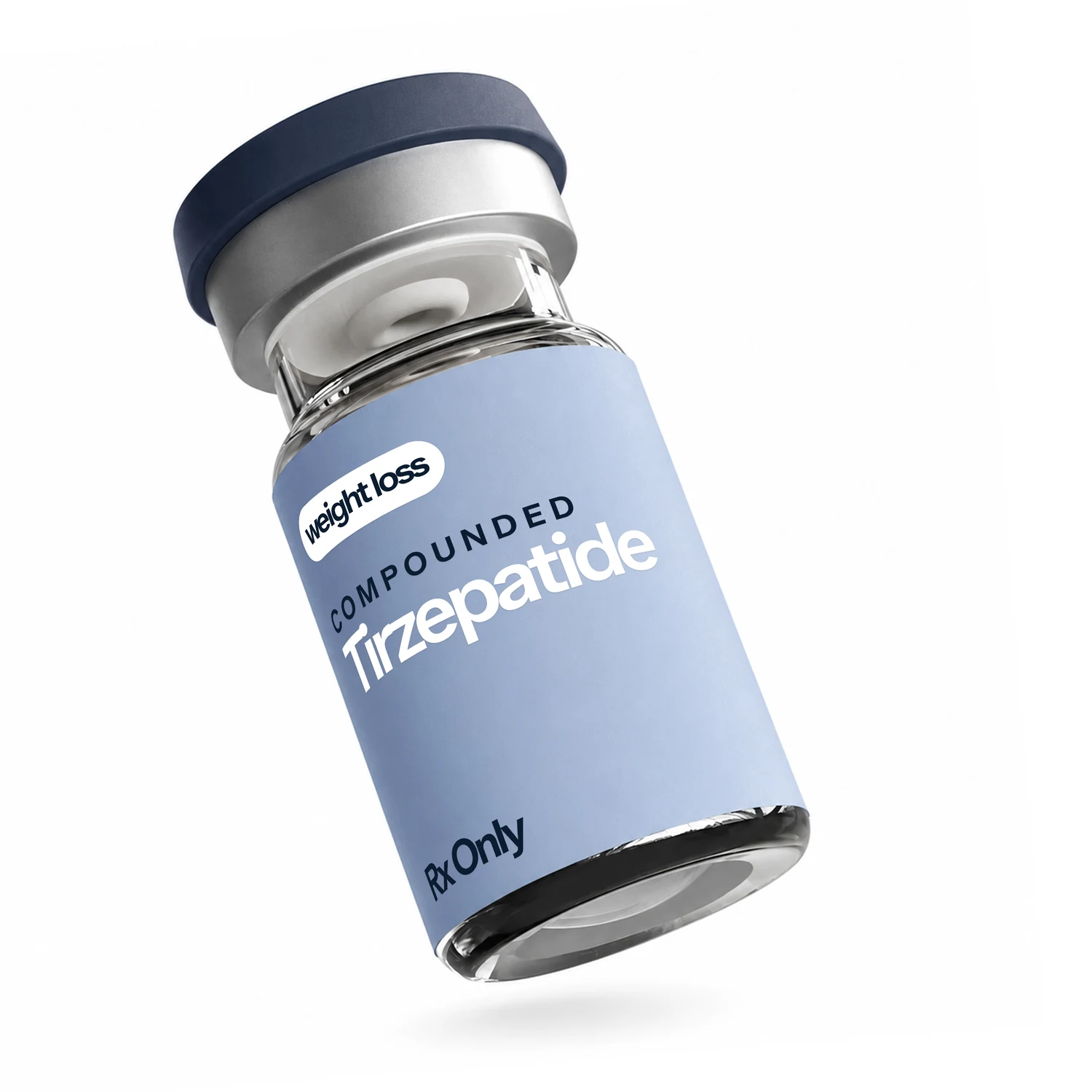
Compounded TirzepatideRx
Weekly GLP-1 + GIP injection.
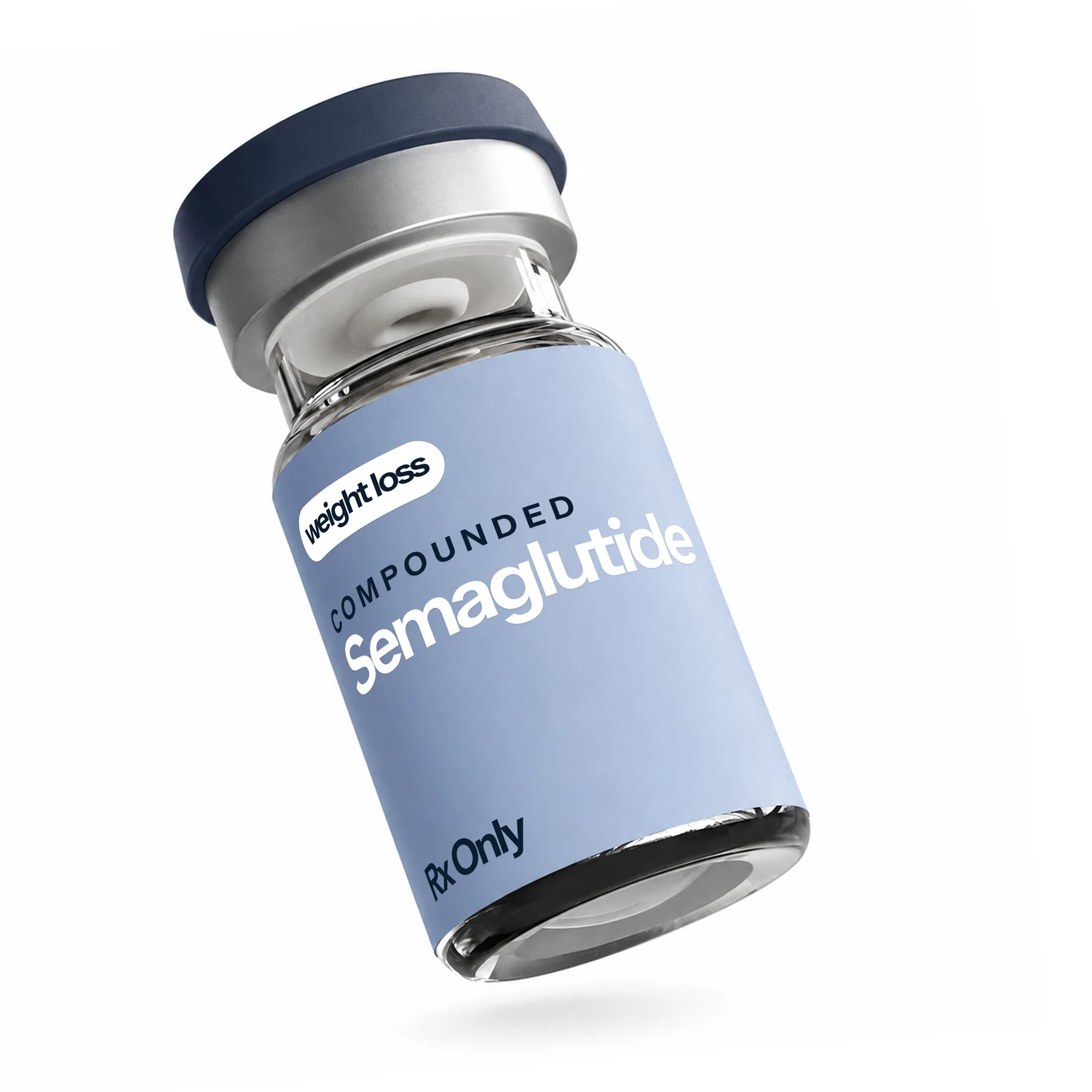
Compounded SemaglutideRx
Weekly GLP-1 injection.
TadalafilRx
Generic Cialis®. Lasts up to 36 hours.
SildenafilRx
Generic Viagra®. Works in 30 minutes.
FinasterideRx
Generic Propecia®. Blocks DHT daily.
Hair Regrowth SprayRx
3-in-1 topical: finasteride + minoxidil + tretinoin.
Oral Minoxidil vs Topical: What the Evidence Says

Written by James T.
Published July 1, 2026

Key Takeaways
# Oral Minoxidil vs Topical: What the Evidence Says About Each Route
Taking ownership of your health — including your hair — is one of the most concrete expressions of personal freedom, and understanding exactly what the science says about your options is where that starts.
Male-pattern hair loss, clinically called androgenetic alopecia (AGA), affects roughly 50% of men by age 50, according to data published in the Journal of Clinical and Aesthetic Dermatology. Minoxidil — available in both topical and oral formulations — remains one of the most studied pharmacologic options in this space. This article compares the two routes on mechanism, evidence, side-effect profile, and candidacy so you can have an informed conversation with a licensed provider.
How Minoxidil Works
Regardless of the route you take it, minoxidil is a potassium-channel opener. It works by widening small blood vessels (vasodilation) around the hair follicle, increasing blood flow, oxygen, and nutrient delivery to follicle cells. This is thought to shift follicles from the telogen (resting) phase back into the anagen (active growth) phase, and to prolong how long follicles stay in that growth phase.
Minoxidil itself is a prodrug — it must be converted to its active form, minoxidil sulfate, by an enzyme called sulfotransferase (SULT1A1) found in the hair follicle. According to peer-reviewed research published in the British Journal of Dermatology, individuals with higher follicular sulfotransferase activity tend to respond better to minoxidil, which helps explain why response rates vary between people. Results may vary.
Topical Minoxidil: The Established Standard
Topical minoxidil spray and solution formulations have been FDA-approved for men since 1988 — first at 2%, later at 5%. They are applied directly to the scalp, where they rely on local skin absorption and local sulfotransferase activity to convert into the active compound.
What the Evidence Shows
A landmark randomized controlled trial published in the Journal of the American Academy of Dermatology demonstrated that 5% topical minoxidil produced statistically significant increases in non-vellus hair count compared to placebo over 48 weeks in men with AGA. Results may vary.
A head-to-head study published in Dermatology (2004) found 5% topical solution superior to 2% in both hair count and patient self-assessment scores at 48 weeks. Formulation matters.
Common patient-reported experiences with topical: - Scalp dryness or flaking, partly attributable to the propylene glycol carrier in older solutions - Greasiness or residue, particularly with liquid formulations - Contact dermatitis in some users, more often with solution than foam preparations - Possible shedding in the first 4–8 weeks (a sign of follicle-phase synchronization, not treatment failure)
Topical minoxidil has minimal systemic absorption at standard doses — typically less than 2% of the applied dose reaches systemic circulation, according to FDA prescribing information.

Low-Dose Oral Minoxidil: The Emerging Evidence
Low-dose oral minoxidil — typically 0.625 mg to 5 mg daily, well below the 10–40 mg doses historically used for hypertension (high blood pressure) — has generated substantial research interest over the past several years as an alternative or adjunct to topical therapy.
Because it is swallowed and absorbed systemically, oral minoxidil bypasses the variability of scalp-skin sulfotransferase activity. The liver converts it to minoxidil sulfate, and the active compound reaches hair follicles via the bloodstream. This systemic delivery may explain some of the efficacy signals seen in clinical literature — though it also accounts for its distinct side-effect profile.
What the Evidence Shows
A prospective study published in the Journal of the American Academy of Dermatology (Randolph & Tosti, 2021) evaluated low-dose oral minoxidil (0.25–1.25 mg/day) in women and men with AGA. Significant improvements in hair density and coverage were reported at 6 months, with the authors concluding the treatment was "well tolerated at low doses." Results may vary.
A retrospective review published in the Journal of the American Academy of Dermatology (2021) involving 1,404 patients taking low-dose oral minoxidil found a favorable safety profile at doses of 0.5–5 mg/day, with the most common adverse effect being hypertrichosis (unwanted hair growth on the body), reported in approximately 14% of patients. Results may vary.
A 2022 randomized controlled trial published in JAMA Dermatology comparing 5 mg oral minoxidil to 5% topical minoxidil in men with AGA found non-inferiority of the oral route for hair regrowth endpoints at 24 weeks, with oral minoxidil demonstrating a statistically greater increase in total hair count at the primary endpoint. Results may vary.
Minoxidil tablet results typically begin to be noticeable — by patient self-report — around months 3–6, with more robust changes often seen at the 9–12 month mark. As with topical, an initial shedding phase is commonly reported in the first 4–8 weeks.
Common patient-reported experiences with oral: - Hypertrichosis (extra facial or body hair) — the most frequently reported effect - Fluid retention (edema), particularly at the ankles, especially at higher doses - Mild blood-pressure changes — rare at low doses but worth monitoring - Headache or lightheadedness, particularly early in treatment
Who Is and Is NOT Generally Considered a Candidate
Current guidelines from the American Academy of Dermatology support minoxidil — both routes — as first-line pharmacologic options for AGA in men. However, candidacy depends heavily on individual health history.
Oral minoxidil is generally approached with caution in individuals with: - Existing cardiovascular disease or a history of heart failure - Significant hypotension (low blood pressure) or those already taking antihypertensive agents - Kidney or liver impairment that may affect drug metabolism - A history of pericardial effusion (fluid around the heart)
Topical minoxidil candidacy concerns include: - Known allergy to minoxidil or propylene glycol - Significant scalp inflammation or open sores
A licensed provider determines whether either formulation is appropriate for an individual after a complete medical evaluation — not this article. If you have questions about your specific situation, direct them to a licensed provider through the patient portal.

What to Expect During Treatment
Whether you use a topical formulation or an oral tablet, realistic expectations are grounded in the clinical evidence:
- Shedding phase (weeks 4–8): Widely reported and generally considered a normal phase transition. It is not a signal to stop — but flag it to a licensed provider if it is severe or prolonged.
- Early changes (months 3–5): Fine vellus hairs may begin to thicken.
- Meaningful density changes (months 6–12): Most trial endpoints are measured here.
- Maintenance: Minoxidil is a long-term intervention. Hair gained is typically lost within months of discontinuing treatment, per peer-reviewed literature.
Report to a licensed provider promptly if you experience rapid weight gain, swelling in the legs, chest pain, or difficulty breathing — these warrant immediate clinical evaluation.
The Good Guy Rx Pathway
Good Guy Rx is a technology platform that connects men to independent licensed physicians and independent state-licensed pharmacies. If you are considering oral minoxidil or a hair regrowth spray as part of a hair-loss plan, a licensed provider on the platform reviews your complete medical intake — including your cardiovascular history, current medications, and hair-loss pattern — before determining whether any treatment is appropriate for you. Compounded formulations, when dispensed, are prepared by state-licensed compounding pharmacies in accordance with FDA regulations and are not FDA-approved drugs. Start a confidential hair-loss assessment through the patient portal.
Sources
- Olsen EA et al. "A randomized clinical trial of 5% topical minoxidil versus 2% topical minoxidil and placebo in the treatment of androgenetic alopecia in men." — Journal of the American Academy of Dermatology — https://pubmed.ncbi.nlm.nih.gov/2180995/
- Randolph M & Tosti A. "Oral minoxidil treatment for hair loss." — Journal of the American Academy of Dermatology — https://pubmed.ncbi.nlm.nih.gov/33333113/
- Vañó-Galván S et al. "Oral minoxidil treatment for hair loss: A review of efficacy and safety." — Journal of the American Academy of Dermatology — https://pubmed.ncbi.nlm.nih.gov/34364664/
- Jimenez-Cauhe J et al. "Effectiveness and safety of low-dose oral minoxidil in male androgenetic alopecia." — JAMA Dermatology — https://pubmed.ncbi.nlm.nih.gov/35294527/
- Blumeyer A et al. "Evidence-based (S3) guideline for the treatment of androgenetic alopecia in women and in men." — Journal of the German Society of Dermatology — https://pubmed.ncbi.nlm.nih.gov/21980982/
- Messenger AG & Rundegren J. "Minoxidil: mechanisms of action on hair growth." — British Journal of Dermatology — https://pubmed.ncbi.nlm.nih.gov/24646520/
- American Academy of Dermatology — Hair Loss Guidelines — https://www.aad.org/member/clinical-quality/guidelines/hair-loss
- Vary M. "Prevalence of male pattern baldness." — Journal of Clinical and Aesthetic Dermatology — https://www.ncbi.nlm.nih.gov/pmc/articles/PMC2929555/
This article is for educational purposes only and is not medical advice. The author is not a physician. A licensed provider on Good Guy Rx determines what is appropriate for you after a complete medical intake.
References
- [Randolph M & Tosti A. "Oral minoxidil treatment for hair loss." — Journal of the American Academy of Dermatology — https://pubmed.ncbi.nlm.nih.gov/33333113/](https://pubmed.ncbi.nlm.nih.gov/33333113/)
- [Vañó-Galván S et al. "Oral minoxidil treatment for hair loss: A review of efficacy and safety." — Journal of the American Academy of Dermatology — https://pubmed.ncbi.nlm.nih.gov/34364664/](https://pubmed.ncbi.nlm.nih.gov/34364664/)
- [Jimenez-Cauhe J et al. "Effectiveness and safety of low-dose oral minoxidil in male androgenetic alopecia." — JAMA Dermatology — https://pubmed.ncbi.nlm.nih.gov/35294527/](https://pubmed.ncbi.nlm.nih.gov/35294527/)
- [Blumeyer A et al. "Evidence-based (S3) guideline for the treatment of androgenetic alopecia in women and in men." — Journal of the German Society of Dermatology — https://pubmed.ncbi.nlm.nih.gov/21980982/](https://pubmed.ncbi.nlm.nih.gov/21980982/)
- [Messenger AG & Rundegren J. "Minoxidil: mechanisms of action on hair growth." — British Journal of Dermatology — https://pubmed.ncbi.nlm.nih.gov/24646520/](https://pubmed.ncbi.nlm.nih.gov/24646520/)
- [American Academy of Dermatology — Hair Loss Guidelines — https://www.aad.org/member/clinical-quality/guidelines/hair-loss](https://www.aad.org/member/clinical-quality/guidelines/hair-loss)
- [Vary M. "Prevalence of male pattern baldness." — Journal of Clinical and Aesthetic Dermatology — https://www.ncbi.nlm.nih.gov/pmc/articles/PMC2929555/](https://www.ncbi.nlm.nih.gov/pmc/articles/PMC2929555/)
- This article is for educational purposes only and is not medical advice. The author is not a physician. A licensed provider on Good Guy Rx determines what is appropriate for you after a complete medical intake.*
Share this article

Ready to start your journey?
Complete your free online visit and see if GLP-1 treatment is right for you.
Get Started