
Good Guy Rx
Take care of what God gave you.
Get started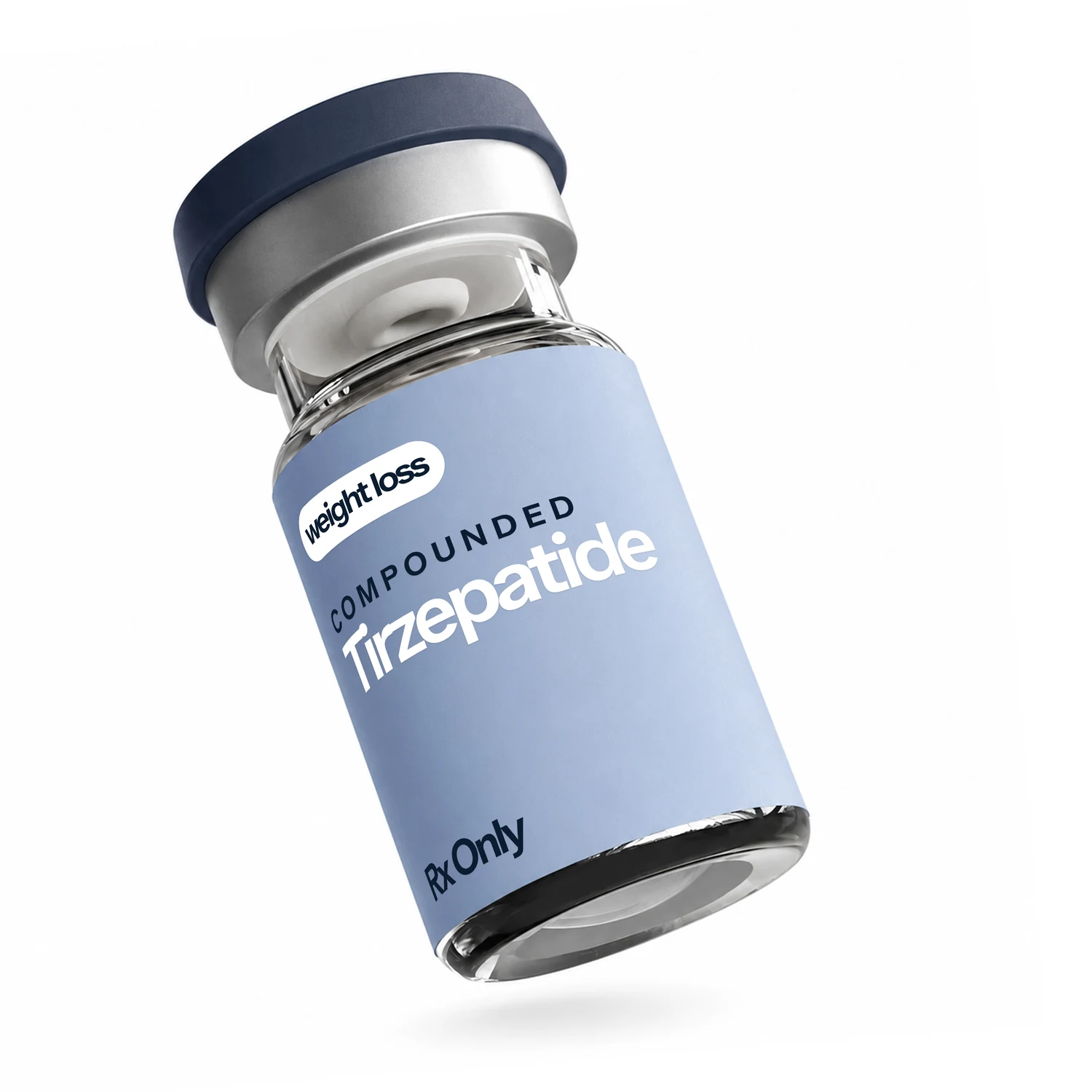
Compounded TirzepatideRx
Weekly GLP-1 + GIP injection.
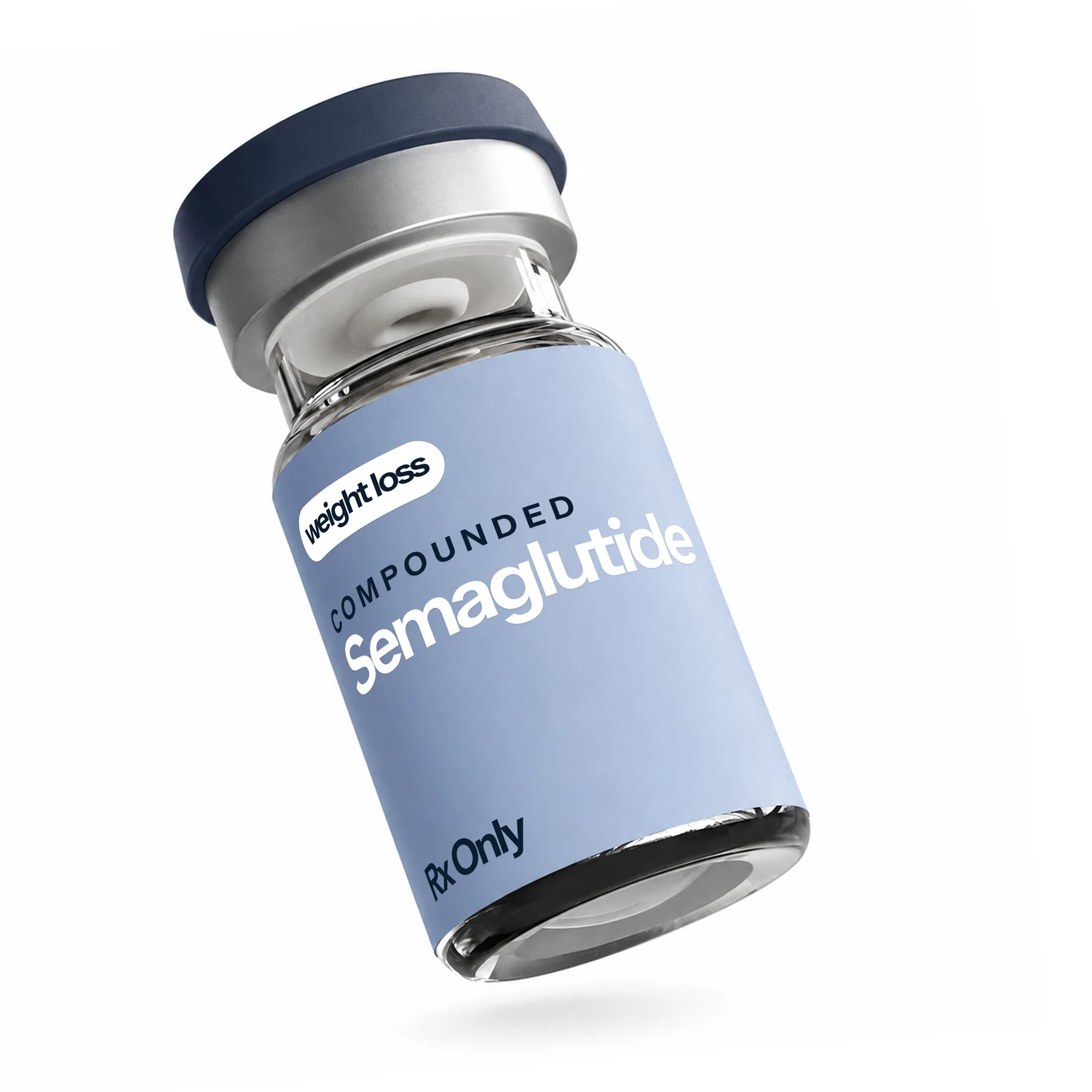
Compounded SemaglutideRx
Weekly GLP-1 injection.
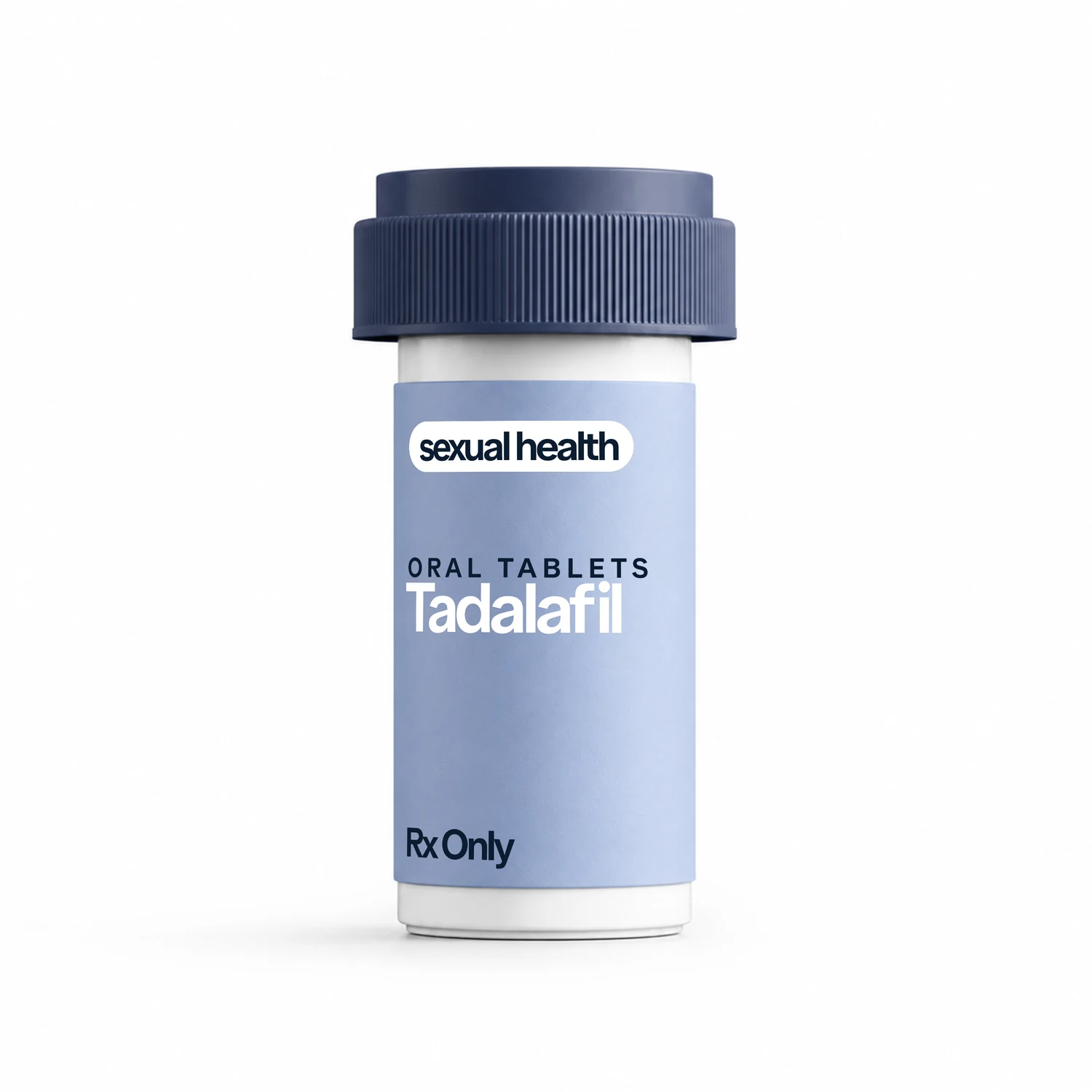
TadalafilRx
Generic Cialis®. Lasts up to 36 hours.
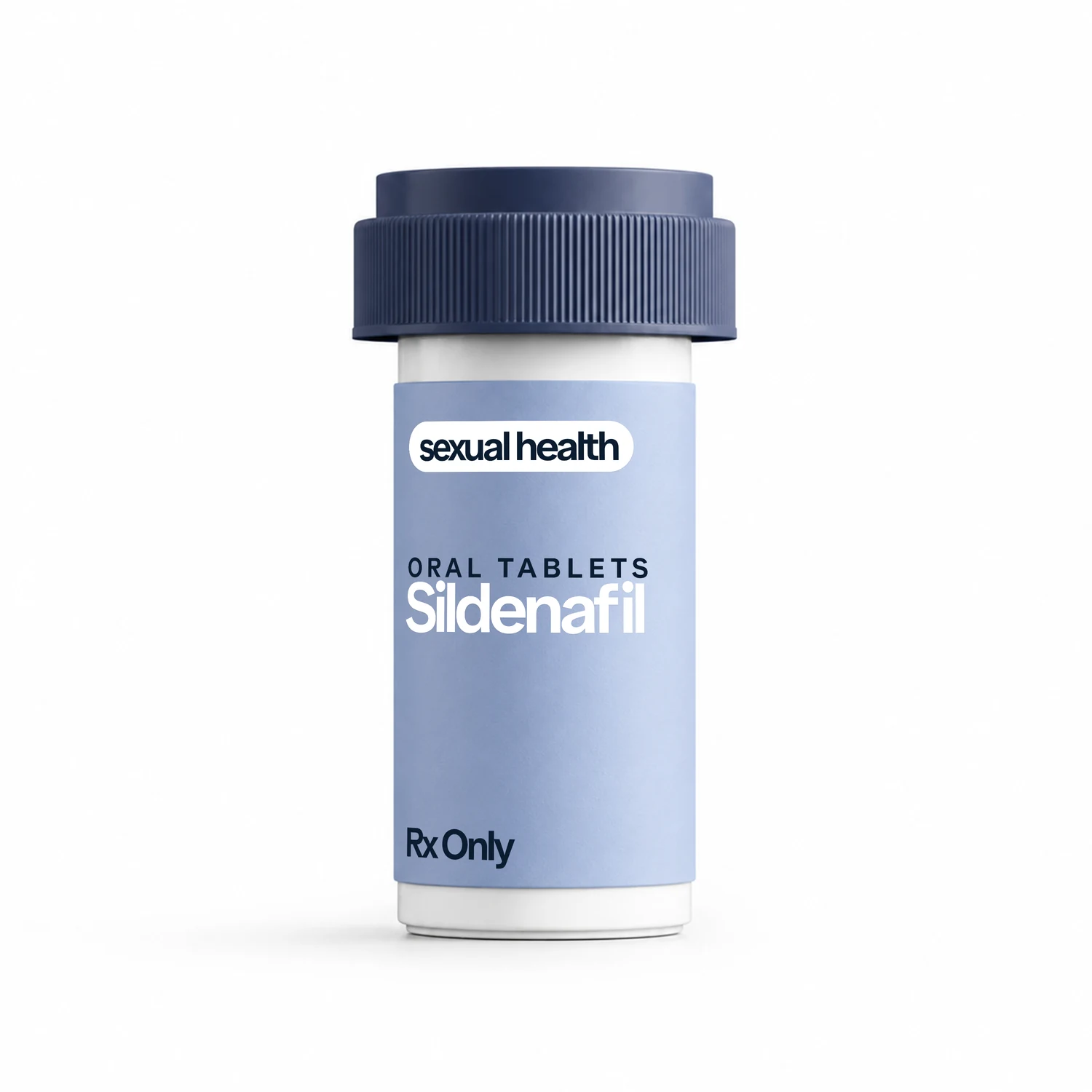
SildenafilRx
Generic Viagra®. Works in 30 minutes.
FinasterideRx
Generic Propecia®. Blocks DHT daily.

Hair Regrowth SprayRx
3-in-1 topical: finasteride + minoxidil + tretinoin.
Mediterranean Diet for Men Over 50: Why It Works

Written by Daniel C.
Published May 9, 2026

Key Takeaways
# The Mediterranean Pivot: Why Men Over 50 Keep Landing Here
If you searched "Mediterranean diet men over 50," you already know something is not working. The red-meat-and-nothing-else phase ran its course. The packaged meal programs felt like a subscription to something embarrassing. And the influencer plans looked designed for someone thirty years younger. So you landed here, at the eating pattern that researchers keep returning to — not because it is fashionable, but because the evidence behind it keeps getting stronger.
This article covers what the Mediterranean dietary pattern actually is, what it does for cardiovascular health and mental well-being in men past fifty, and how Good Guy Rx fits into the broader picture of men's health maintenance.
What the Mediterranean Pattern Actually Is
The Mediterranean dietary pattern is not a branded program. It has no mascot and no proprietary shakes. It is a description of how people in Greece, southern Italy, and coastal Spain historically ate — and what researchers noticed about their health outcomes compared to northern European and American populations.
The core structure: vegetables, legumes, whole grains, fruit, fish, and nuts form the base. Olive oil is the primary fat. Dairy appears in moderate amounts, mostly as cheese and yogurt. Red meat is present but infrequent. Wine, when consumed, is moderate and with meals. Ultra-processed foods are structurally absent — not banned by rule, just not part of the pattern.
The landmark PREDIMED trial (Prevención con Dieta Mediterránea), published in the New England Journal of Medicine, followed more than 7,000 participants at high cardiovascular risk and found that those assigned to a Mediterranean diet supplemented with extra-virgin olive oil or nuts had a significantly lower rate of major cardiovascular events compared to those assigned to a reduced-fat diet. The trial was large enough that it was stopped early because the benefit was considered too clear to withhold from the control group.
Why Cardiovascular Risk Rises After Fifty — and Why This Pattern Addresses It
After fifty, several biological shifts converge. Endothelial function — the ability of blood vessel walls to dilate and regulate blood flow — tends to decline. Low-density lipoprotein (LDL) particles become more prone to oxidation, a process that accelerates arterial plaque formation. Systemic inflammation, measured by markers such as C-reactive protein, rises with age and compounds cardiovascular risk.
The Mediterranean pattern addresses each of these through food rather than restriction. Extra-virgin olive oil contains oleocanthal, a compound with anti-inflammatory properties, and oleic acid, a monounsaturated fat associated with improved LDL particle quality. According to research published in the *Journal of Clinical Endocrinology and Metabolism*, diets high in monounsaturated fats support insulin sensitivity — a factor that becomes clinically significant for men in their fifties as metabolic syndrome prevalence increases.
Fatty fish — salmon, sardines, mackerel — contribute omega-3 fatty acids (eicosapentaenoic acid and docosahexaenoic acid), which the American Heart Association has long associated with reduced triglyceride levels and lower inflammatory burden. The pattern does not require men to give up animal protein. It asks only that fish replace red meat several nights a week.

The Mental Health Dimension — and a Disparity Worth Naming
May is Mental Health Awareness Month. Men account for approximately 80% of suicide deaths in the United States, yet represent only about 20% of crisis helpline callers, according to the American Foundation for Suicide Prevention (AFSP). That gap is not a coincidence. It reflects something about how men in this culture are conditioned to carry weight in silence — waiting until the load is unbearable before asking for help.
Diet is not a substitute for clinical care. But the connection between nutrition and mental health in men over fifty is real and documented. The gut-brain axis — the bidirectional communication network between the enteric nervous system and the brain — responds to what a man eats. The Mediterranean pattern, rich in fiber and fermented foods, supports a diverse gut microbiome, and peer-reviewed research suggests this is associated with lower rates of depression and anxiety.
A 2019 meta-analysis published in *Molecular Psychiatry* found that adherence to a Mediterranean-style diet was associated with a significantly reduced risk of depression. For men who are reluctant to name what they are feeling, who would not call a helpline but might change what is on their plate — this matters. Taking care of the body is a form of stewardship. It does not require a label or a conversation if a man is not ready for one. But it may create the conditions under which that conversation becomes possible.
If you or someone you know is in crisis, the 988 Suicide and Crisis Lifeline is available by call or text, around the clock.
What the Evidence Says About Weight and Metabolic Health
Men over fifty often carry weight differently than they did at thirty-five. Visceral adipose tissue — the fat stored around the abdominal organs — accumulates with age and is more metabolically active than subcutaneous fat, driving insulin resistance and inflammation. Many men in this demographic have tried caloric restriction and found it unsustainable. The Mediterranean pattern does not lead with restriction.
In clinical practice, adherence to the Mediterranean diet is notably higher than adherence to low-fat or very-low-carbohydrate diets over twelve-month periods, according to research reviewed in *Diabetes Care*. The pattern is satiating — olive oil, nuts, legumes, and fish all contribute to a feeling of fullness that ultra-processed food specifically undermines by design.
Results may vary. But men who follow the pattern consistently tend to report that the eating itself does not feel like deprivation. That is functionally important for any approach to nutrition that is meant to hold past the first month.
Where Good Guy Rx Fits
Good Guy Rx is a technology platform. It connects men to independent licensed physicians and independent state-licensed pharmacies. It does not sell food. But the men who come to Good Guy Rx are often dealing with issues — weight, energy, cardiovascular risk, hormonal changes — that intersect directly with nutrition.
For men whose weight or metabolic health has not responded adequately to dietary changes alone, Good Guy Rx connects patients to independent licensed providers who can evaluate whether prescription options are appropriate. The platform offers access to semaglutide, a GLP-1 receptor agonist prepared by state-licensed compounding pharmacies in accordance with FDA regulations — not FDA-approved as a compounded formulation — that has demonstrated meaningful results in the STEP trials. Tirzepatide, a dual GIP/GLP-1 receptor agonist studied in the SURMOUNT trials, is also available through the same provider-connected pathway.
These are clinical tools, not shortcuts. They work best alongside a dietary pattern that supports the metabolic goals the medication is intended to address. The Mediterranean pattern is one of the most studied foundations for that kind of sustained maintenance.

For men dealing with energy and hormonal shifts alongside weight concerns, testosterone replacement therapy is also available through independent licensed providers on the platform, subject to a proper clinical evaluation. No medication is dispensed without a provider consultation.
What to Do Next
Step 1: Start with one meal. Replace one processed meal per week with grilled fish, a green salad dressed with olive oil and lemon, and a side of legumes or whole grains. The goal is pattern change over time, not a single perfect week.
Step 2: Swap the cooking fat. Replace seed oils and butter in everyday cooking with a quality extra-virgin olive oil. This single substitution addresses the inflammatory fat profile that characterizes most American diets.
Step 3: Talk to a provider before adding supplements or medications. If dietary change alone has not moved the markers that matter to you — weight, energy, cardiovascular risk — a licensed provider can evaluate whether additional clinical support is appropriate. Use the Good Guy Rx patient portal to request a consultation. Medical questions go to your provider, not to support staff.
Step 4: Treat mental health as part of the maintenance plan. If you are carrying weight you cannot set down — the kind that does not show on a scale — the 988 Suicide and Crisis Lifeline is available at any hour. Being a man who takes care of himself is not weakness. It is stewardship of the years still in front of you.
Sources
- PREDIMED Trial — Estruch R et al., *New England Journal of Medicine*, 2013
- Mediterranean Diet and Depression Meta-Analysis — Lassale C et al., *Molecular Psychiatry*, 2019
- Omega-3 Fatty Acids and Cardiovascular Health — American Heart Association
- Mediterranean Diet Adherence and Metabolic Outcomes — *Diabetes Care*, American Diabetes Association
- Oleocanthal and Anti-Inflammatory Properties — *Journal of Clinical Endocrinology and Metabolism*, Oxford Academic
- Men and Suicide Statistics — American Foundation for Suicide Prevention (AFSP)
- 988 Suicide and Crisis Lifeline — SAMHSA
- STEP Trials — Semaglutide Weight Reduction Data — *New England Journal of Medicine*, Wilding JPH et al., 2021
- SURMOUNT Trials — Tirzepatide Weight Reduction Data — *New England Journal of Medicine*, Jastreboff AM et al., 2022
This article is for informational purposes only and does not constitute medical advice. Talk with a licensed provider through the patient portal before starting any treatment.
References
- STEP trial
- SURMOUNT trial
- STEP Trial
- SURMOUNT Trial
- [Mediterranean Diet and Depression Meta-Analysis — Lassale C et al., *Molecular Psychiatry*, 2019](https://www.nature.com/articles/s41380-018-0237-8)
- [Omega-3 Fatty Acids and Cardiovascular Health — American Heart Association](https://www.heart.org/en/healthy-living/healthy-eating/eat-smart/fats/fish-and-omega-3-fatty-acids)
- [Mediterranean Diet Adherence and Metabolic Outcomes — *Diabetes Care*, American Diabetes Association](https://diabetesjournals.org/care)
- [Oleocanthal and Anti-Inflammatory Properties — *Journal of Clinical Endocrinology and Metabolism*, Oxford Academic](https://academic.oup.com/jcem)
Share this article

Ready to start your journey?
Complete your free online visit and see if GLP-1 treatment is right for you.
Get Started