
Good Guy Rx
Take care of what God gave you.
Get started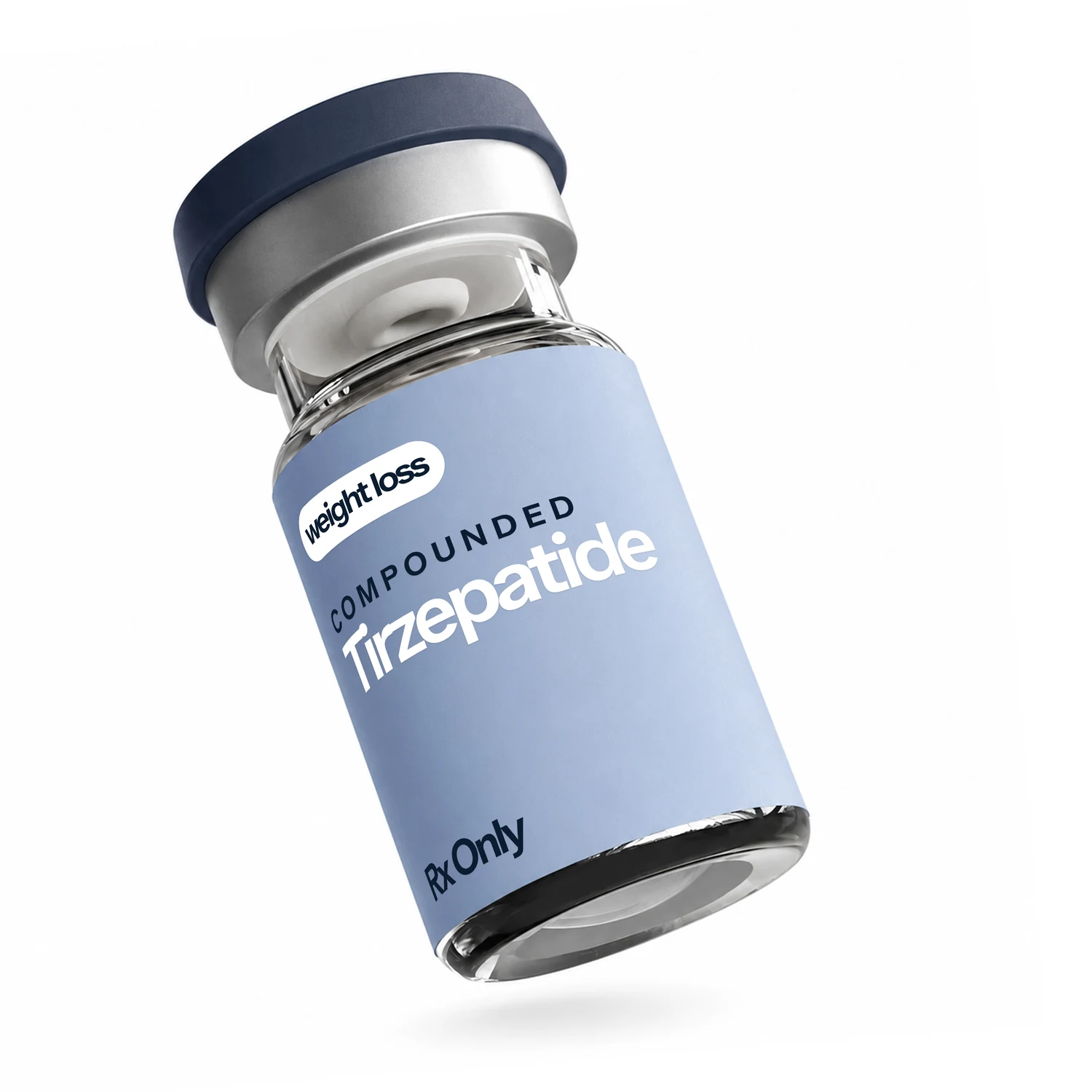
Compounded TirzepatideRx
Weekly GLP-1 + GIP injection.
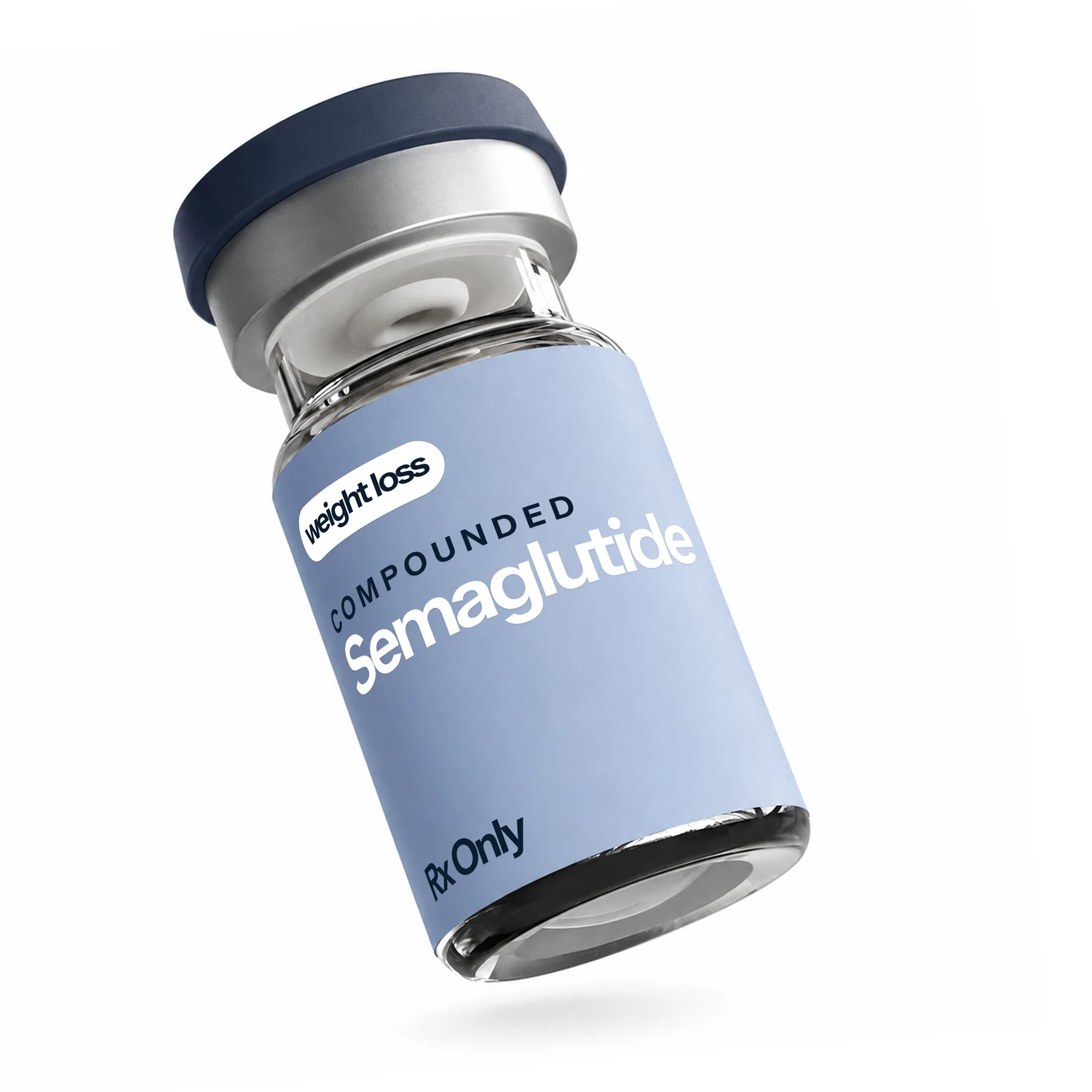
Compounded SemaglutideRx
Weekly GLP-1 injection.
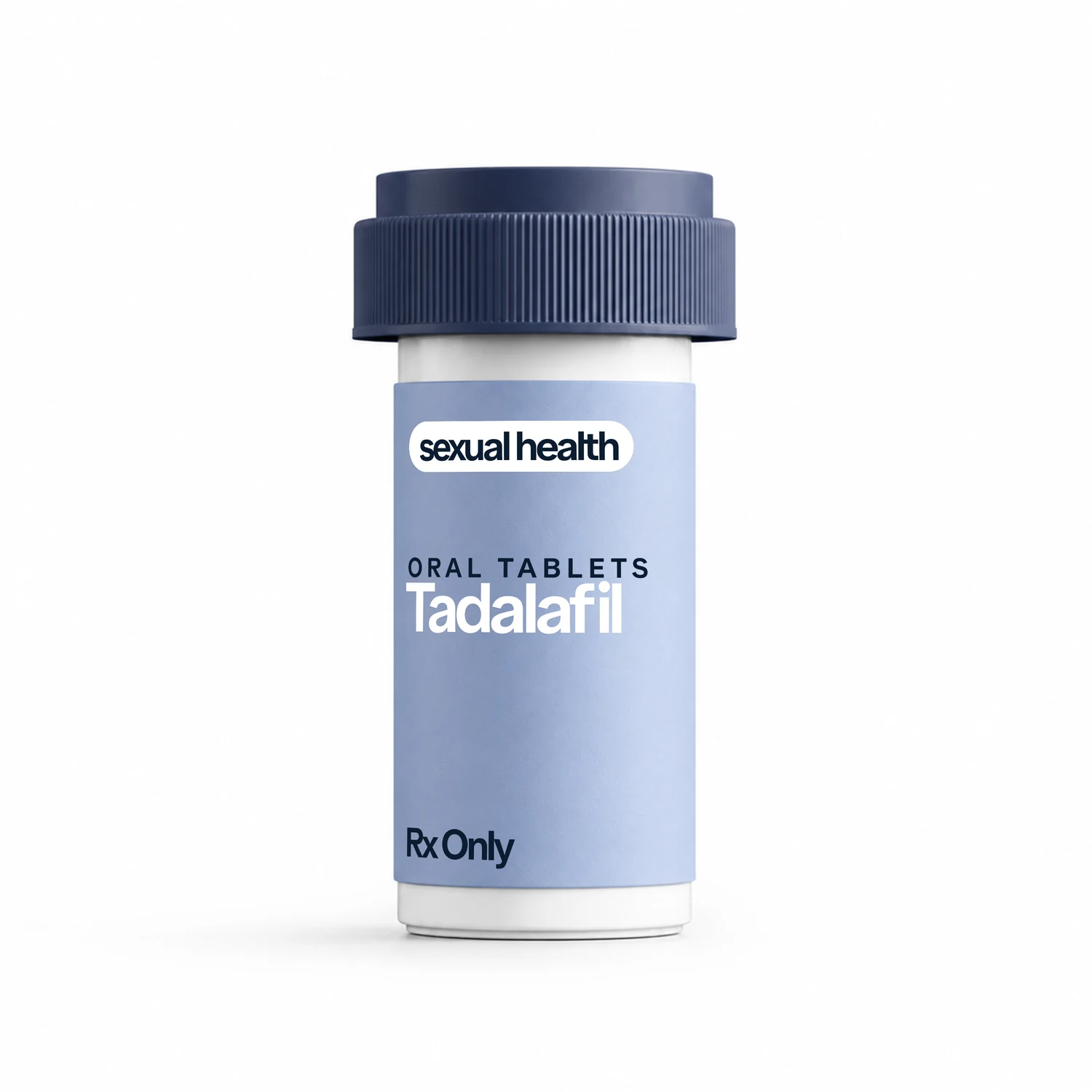
TadalafilRx
Generic Cialis®. Lasts up to 36 hours.
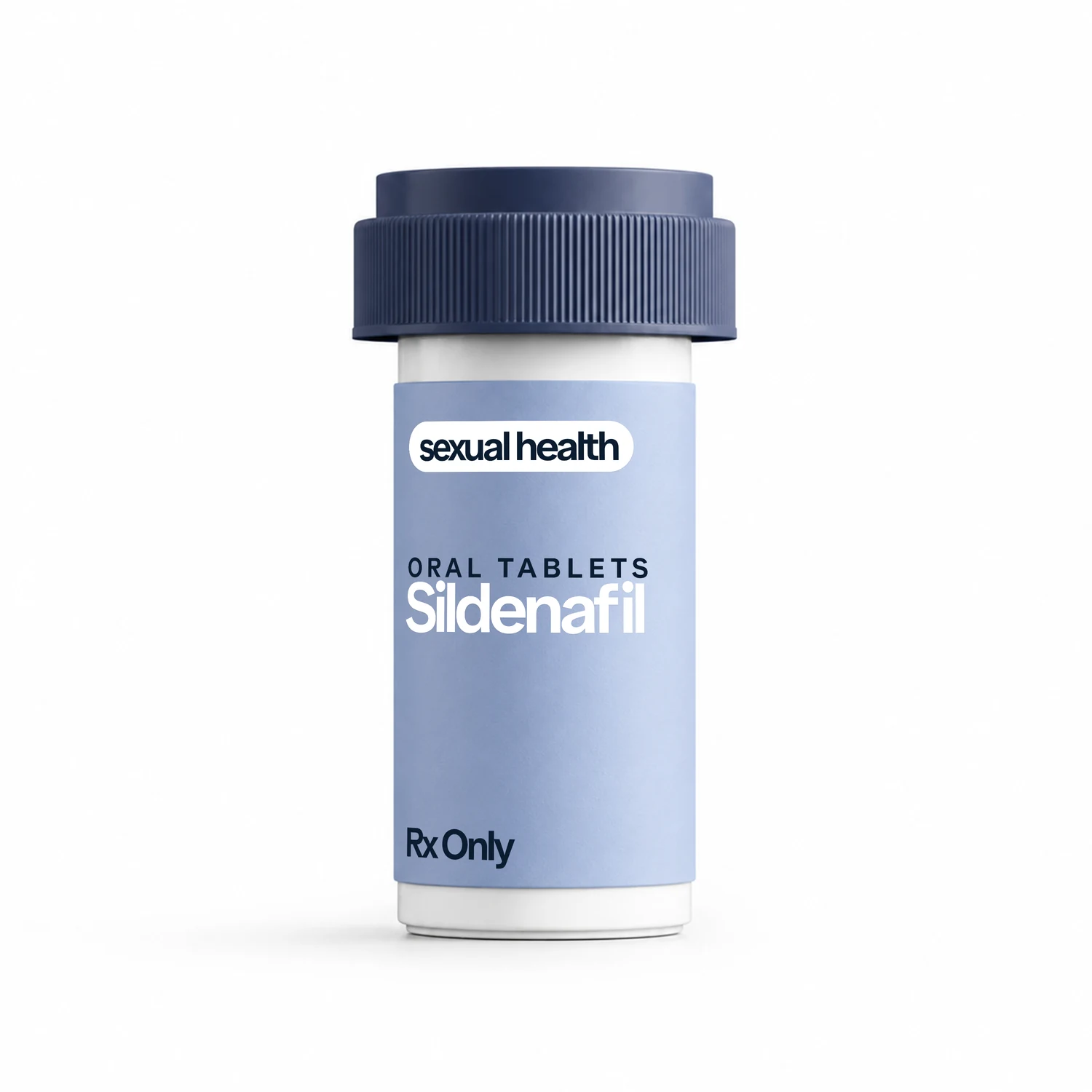
SildenafilRx
Generic Viagra®. Works in 30 minutes.
FinasterideRx
Generic Propecia®. Blocks DHT daily.

Hair Regrowth SprayRx
3-in-1 topical: finasteride + minoxidil + tretinoin.
B12 Deficiency in Men Over 50: Energy, Mood & Cognition

Written by Marcus W.
Published April 11, 2026

Key Takeaways
Vitamin B12 deficiency is prevalent in men over 50 and is a clinically recognized, reversible cause of fatigue, mood disturbance, and cognitive slowing — yet it remains underdiagnosed because early symptoms are nonspecific and frequently attributed to normal aging.
Why B12 Deficiency Rises After 50
Vitamin B12 (cobalamin) is a water-soluble vitamin required for red blood cell formation, neurological function, and DNA synthesis. The body cannot manufacture it; it must be consumed through diet or supplementation and absorbed through the gut.
After age 50, two mechanisms converge to drive deficiency:
- Reduced gastric acid secretion (atrophic gastritis) — stomach acid is needed to cleave B12 from food proteins. As acid production declines with age, dietary B12 becomes progressively harder to extract, even when intake is adequate.
- Reduced intrinsic factor availability — intrinsic factor is a protein secreted by stomach cells that escorts B12 across the intestinal wall. Atrophic gastritis and autoimmune processes can reduce intrinsic factor output, resulting in pernicious anemia in its most severe form.
The National Institutes of Health Office of Dietary Supplements estimates that 3–6% of adults under 60 and up to 20% of adults over 60 are B12-deficient, with a far larger proportion falling into the "low-normal" range that still correlates with neurological symptoms.
Long-term use of metformin (a common diabetes medication) and proton pump inhibitors (PPIs, used for acid reflux) further reduces B12 absorption — two drug classes disproportionately used by men in the 45–70 age range.
The Energy-Mood-Cognition Triad
Fatigue
B12 is essential for the production of healthy red blood cells. Deficiency causes megaloblastic anemia — abnormally large, dysfunctional red blood cells that carry oxygen inefficiently. The result is persistent fatigue that does not resolve with rest. Because this fatigue is gradual in onset, many men adapt to it and stop recognizing it as abnormal.
Mood
B12 is a required cofactor in the synthesis of serotonin, dopamine, and norepinephrine — the principal monoamine neurotransmitters governing mood, motivation, and stress response. A 2020 meta-analysis published in *Psychiatry Research* found that lower B12 status was significantly associated with depressive symptoms in older adults. Results may vary based on baseline status, comorbidities, and treatment duration.

Methylcobalamin — the active, neurologically bioavailable form of B12 — is the form most directly utilized by the nervous system. Peer-reviewed research suggests that methylcobalamin supplementation may be preferentially beneficial for neurological and mood-related endpoints compared to cyanocobalamin, the synthetic form found in most over-the-counter products, though head-to-head comparative trial data remain limited.
Cognition
The neurological consequences of B12 deficiency are well established. Deficiency impairs myelin synthesis — myelin is the insulating sheath around nerve fibers that enables rapid signal transmission. Demyelination produces symptoms including difficulty concentrating, slowed processing speed, and memory lapses.
A landmark study published in *Neurology* by Smith and colleagues (2010) demonstrated that B12 supplementation in older adults with mild cognitive impairment significantly slowed brain atrophy compared to placebo over a two-year period. A follow-up Oxford study published in PNAS (2013) showed that this protective effect was most pronounced in individuals with elevated homocysteine — a metabolic marker that rises when B12 (and folate) are insufficient. Results may vary.
Elevated homocysteine is itself an independent cardiovascular risk factor, and correcting B12 deficiency is one of the primary dietary interventions for lowering it.
Who Should Be Evaluated
Higher-risk candidates for B12 assessment include men who:
- Are over 50, particularly over 60
- Have been on metformin for more than one year
- Use PPIs (omeprazole, pantoprazole, etc.) long-term
- Follow a vegetarian or vegan diet (B12 is found almost exclusively in animal products)
- Have a history of gastrointestinal surgery, including bariatric procedures
- Report unexplained fatigue, low mood, tingling or numbness in the hands or feet, or memory difficulties
Assessment is straightforward: serum B12, methylmalonic acid (MMA), and homocysteine levels together give a more complete picture of functional B12 status than serum B12 alone. A prescribing provider can order and interpret these.
What to Expect With Treatment
When deficiency is confirmed, repletion is typically achieved with high-dose oral methylcobalamin or, in cases of severe deficiency or malabsorption, intramuscular or subcutaneous injection. Oral high-dose B12 can be effective even in the presence of intrinsic factor deficiency because a small fraction of B12 is absorbed passively, independent of intrinsic factor.
Timeline of response: - Fatigue and mood symptoms often begin improving within 4–8 weeks of adequate repletion, though this varies considerably by baseline severity. - Neurological symptoms (tingling, cognitive fog) may take 3–6 months to partially or fully resolve; long-standing neurological damage may not be fully reversible. - Homocysteine levels typically normalize within 6–8 weeks.
Common considerations: Oral B12 supplementation is well tolerated. High-dose B12 has no established upper tolerable intake level because excess is renally excreted. Injection-site reactions are occasionally reported with injectable forms.

Contact your provider promptly if neurological symptoms worsen, new symptoms appear, or labs do not normalize after an adequate trial period. Do not direct these questions to support staff — use the licensed provider portal.
A Note on Men's Health This Month
April is Testicular Cancer Awareness Month. While unrelated to B12, the same principle of proactive health stewardship applies: routine self-examination and prompt evaluation of any scrotal mass or change are the cornerstones of early detection. The American Cancer Society recommends monthly testicular self-exams for men beginning in adolescence. Taking five minutes once a month for a self-check is straightforward, evidence-supported health maintenance — the same category of action as checking your B12 status when symptoms warrant it.
The Good Guy Rx Pathway
Good Guy Rx is a technology platform that connects men to independent licensed physicians and independent state-licensed pharmacies. If you have symptoms consistent with B12 deficiency — unexplained fatigue, mood changes, cognitive fog, or a history of the risk factors described above — the prescribing provider determines whether B12 assessment and supplementation are appropriate after a thorough medical intake. Compounded methylcobalamin formulations, when prescribed, are prepared by state-licensed compounding pharmacies in accordance with FDA regulations and are not FDA-approved products. Start your intake at Good Guy Rx B12.
Sources
- Vitamin B12 Fact Sheet for Health Professionals — NIH Office of Dietary Supplements
- B12 Deficiency and Depression Meta-Analysis — Psychiatry Research — https://www.sciencedirect.com/science/journal/01651781
- Smith AD et al., Homocysteine-Lowering by B Vitamins Slows the Rate of Accelerated Brain Atrophy in Mild Cognitive Impairment — PNAS 2010 — https://www.pnas.org/doi/10.1073/pnas.1005816107
- Homocysteine and Cognitive Decline — Oxford Project to Investigate Memory and Ageing — PNAS 2013 — https://www.pnas.org/
- Metformin and B12 Deficiency — Diabetes Care, American Diabetes Association — https://diabetesjournals.org/care
- Testicular Self-Examination — American Cancer Society — https://www.cancer.org/cancer/types/testicular-cancer/detection-diagnosis-staging/detection.html
This article is educational. A licensed provider determines whether you are a candidate after a medical intake.
References
- [B12 Deficiency and Depression Meta-Analysis — Psychiatry Research — https://www.sciencedirect.com/science/journal/01651781](https://www.sciencedirect.com/science/journal/01651781)
- [Smith AD et al., Homocysteine-Lowering by B Vitamins Slows the Rate of Accelerated Brain Atrophy in Mild Cognitive Impairment — PNAS 2010 — https://www.pnas.org/doi/10.1073/pnas.1005816107](https://www.pnas.org/doi/10.1073/pnas.1005816107)
- [Homocysteine and Cognitive Decline — Oxford Project to Investigate Memory and Ageing — PNAS 2013 — https://www.pnas.org/](https://www.pnas.org/)
- [Metformin and B12 Deficiency — Diabetes Care, American Diabetes Association — https://diabetesjournals.org/care](https://diabetesjournals.org/care)
- [Testicular Self-Examination — American Cancer Society — https://www.cancer.org/cancer/types/testicular-cancer/detection-diagnosis-staging/detection.html](https://www.cancer.org/cancer/types/testicular-cancer/detection-diagnosis-staging/detection.html)
- This article is educational. A licensed provider determines whether you are a candidate after a medical intake.*
Share this article

Ready to start your journey?
Complete your free online visit and see if GLP-1 treatment is right for you.
Get Started