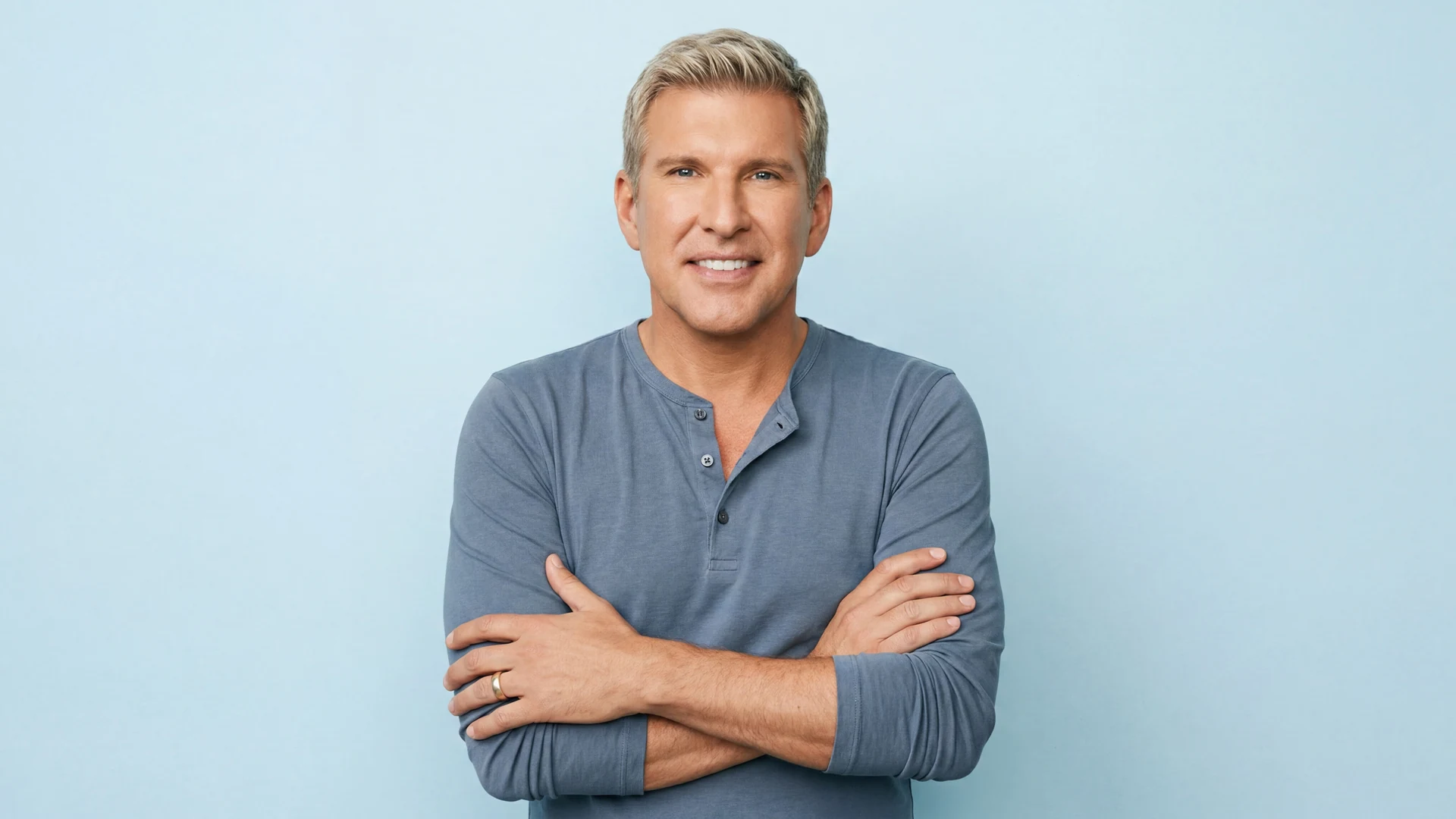
Good Guy Rx
Take care of what God gave you.
Get started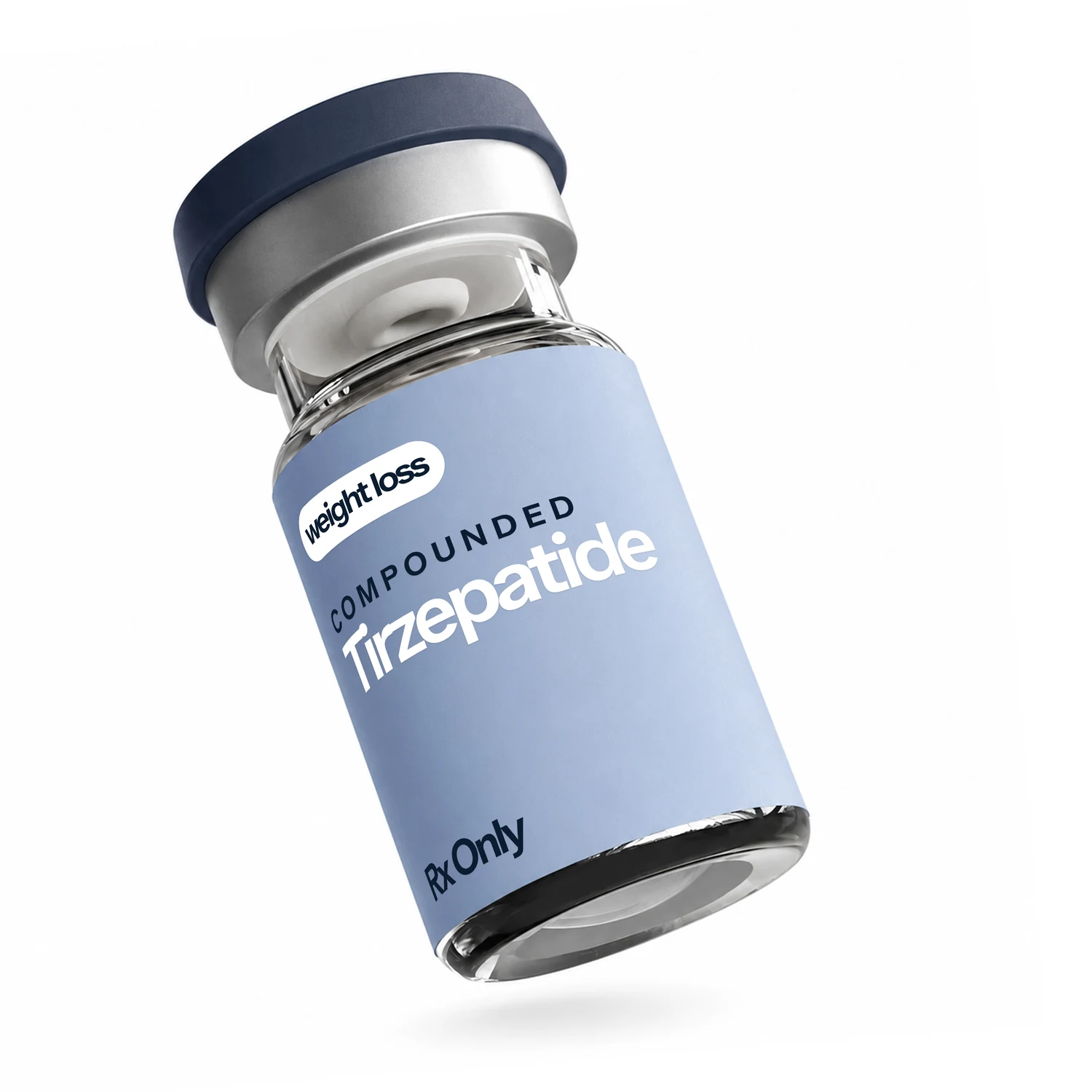
Compounded TirzepatideRx
Weekly GLP-1 + GIP injection.
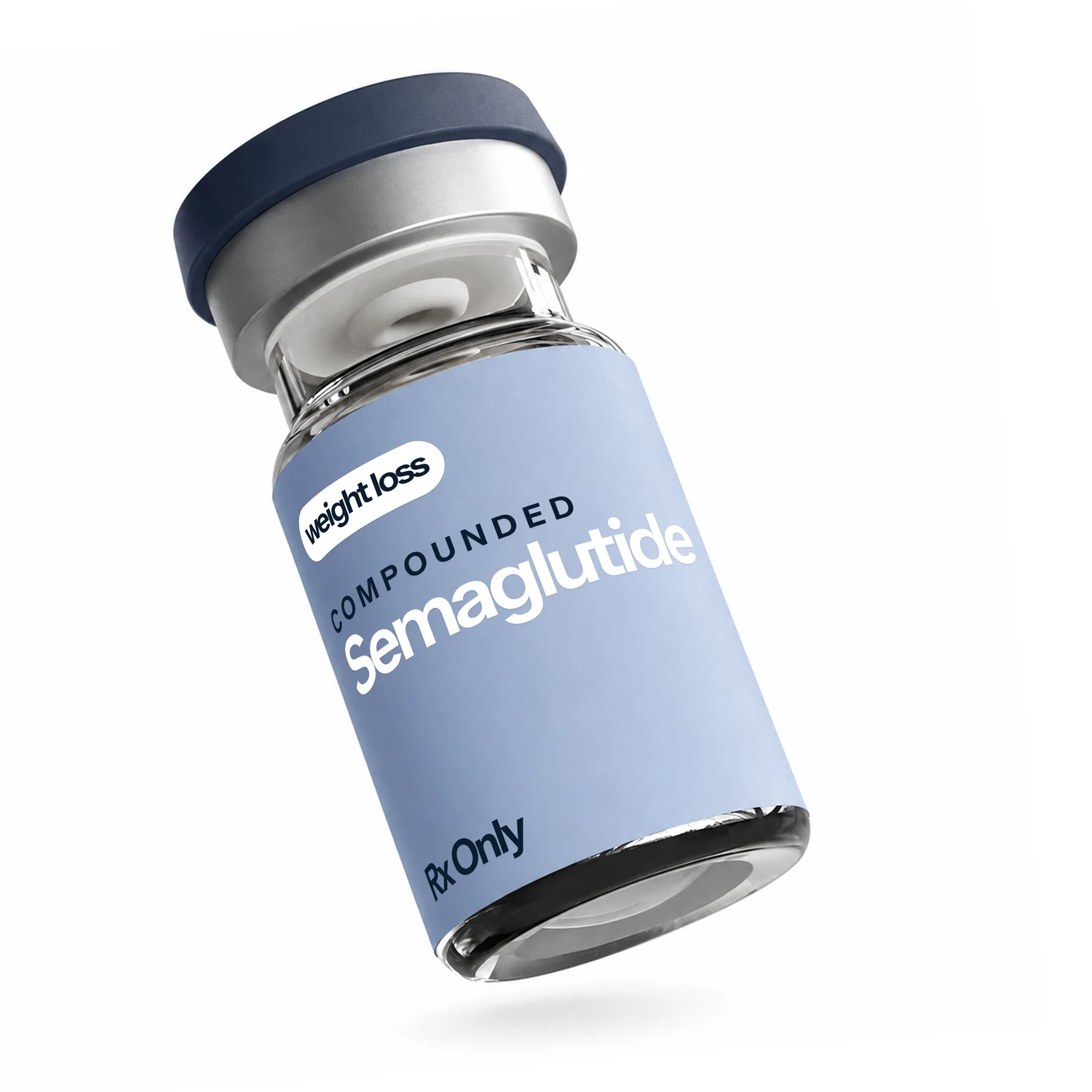
Compounded SemaglutideRx
Weekly GLP-1 injection.
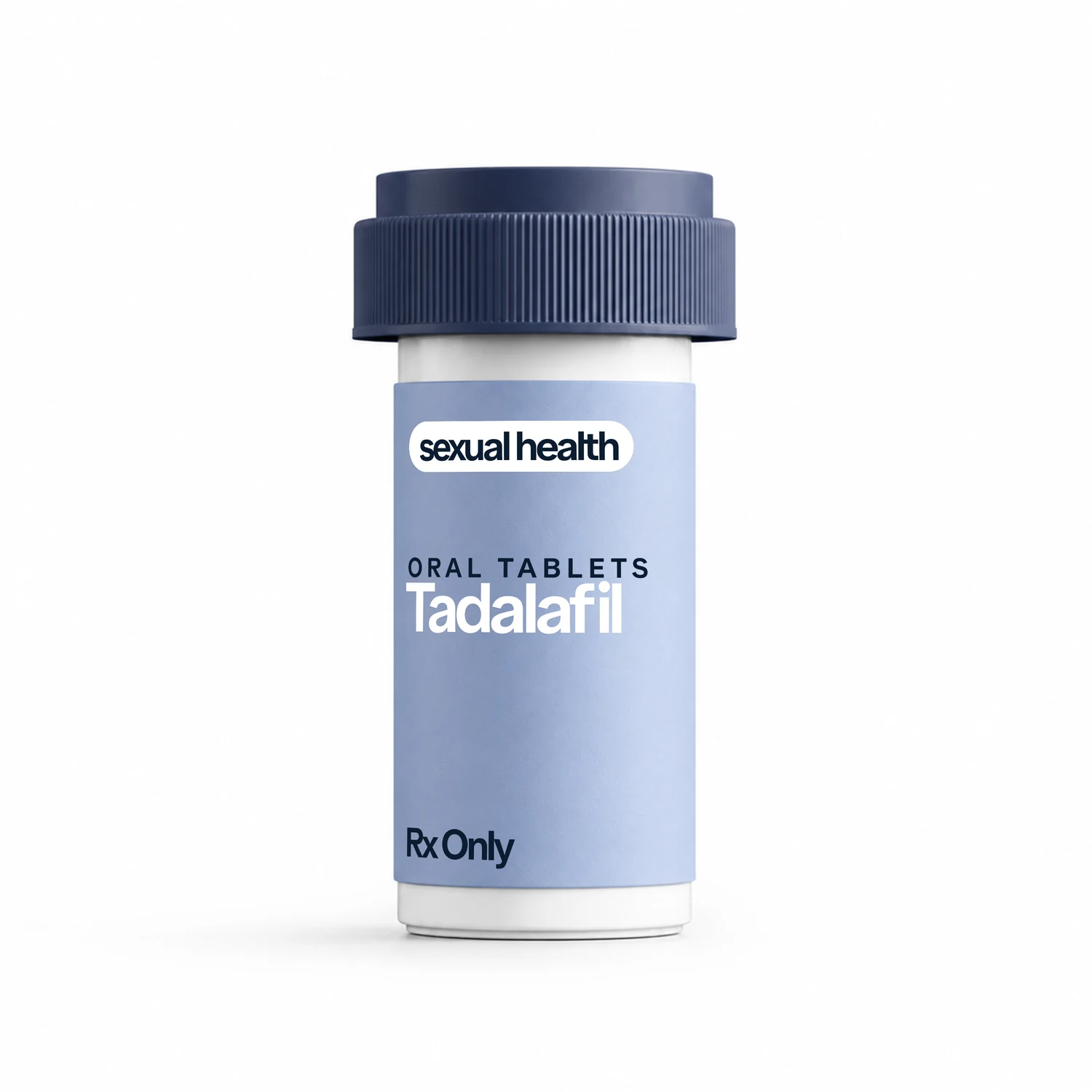
TadalafilRx
Generic Cialis®. Lasts up to 36 hours.
SildenafilRx
Generic Viagra®. Works in 30 minutes.
FinasterideRx
Generic Propecia®. Blocks DHT daily.
Hair Regrowth SprayRx
3-in-1 topical: finasteride + minoxidil + tretinoin.
Coffee, Tea, and Longevity: What Men Over 50 Should Know

Written by Daniel C.
Published March 23, 2026

Key Takeaways
# Coffee, Tea, and Longevity: What Men Over 50 Should Know
If you typed something like "is coffee good for you as you get older" or "does green tea actually do anything," you are asking the right questions at the right time. The data on coffee tea longevity men is more substantive than most nutrition coverage suggests — and it does not require you to overhaul your pantry, buy a supplement, or follow anyone on social media. It requires a cup and some attention to what the research actually says.
What the Research Shows About Coffee and Lifespan
Coffee is the most widely consumed psychoactive substance in the world, and it has been studied with unusual rigor. A landmark analysis published in [The New England Journal of Medicine](https://www.nejm.org/doi/full/10.1056/NEJMoa1112010) (Freedman et al., 2012) followed more than 400,000 adults and found that coffee consumption was inversely associated with total mortality — meaning heavier coffee drinkers had lower rates of death from heart disease, respiratory disease, stroke, diabetes, and infection over the study period. Results may vary.
The association held for both caffeinated and decaffeinated coffee, which suggests the benefit is not attributable to caffeine alone. Coffee contains hundreds of bioactive compounds, including chlorogenic acids, diterpenes, and trigonelline — compounds with demonstrated antioxidant and anti-inflammatory properties in peer-reviewed research.
A 2022 meta-analysis published in [European Journal of Preventive Cardiology](https://academic.oup.com/eurjpc/article/29/17/2240/6704995) (Chieng and Kistler) found that two to three cups per day was associated with the greatest reduction in cardiovascular events and all-cause mortality across more than 382,000 participants. Among men specifically, the data on cardiovascular protection is consistent across multiple large cohort studies. Results may vary.
One honest note: these are observational studies. They show association, not causation. No researcher is claiming that coffee prevents death. What they are saying is that, in large populations tracked over long periods, moderate coffee drinkers tend to outlive non-drinkers even after controlling for confounding variables. That is a signal worth understanding.
Green Tea, Polyphenols, and the Aging Male
Green tea carries a different biochemical profile. Its primary active compounds are catechins — a class of polyphenols — with epigallocatechin-3-gallate (EGCG) receiving the most research attention. EGCG has been studied for its effects on oxidative stress, insulin sensitivity, vascular function, and cellular aging pathways.
The green tea polyphenols men conversation has real grounding in longitudinal data. A large prospective cohort study published in [JAMA](https://jamanetwork.com/journals/jama/fullarticle/200177) (Kuriyama et al., 2006) followed more than 40,000 Japanese adults for up to eleven years. Men who consumed five or more cups of green tea per day had statistically lower all-cause mortality than those who drank less than one cup. The association was particularly notable for cardiovascular mortality. Results may vary.
More recent work has examined caffeine aging dynamics — specifically, how caffeine and polyphenol compounds interact with senescent cells, which are aging cells that accumulate in tissue and drive low-grade chronic inflammation. A study published in [Nature Aging](https://www.nature.com/articles/s43587-021-00118-7) (Gonzales et al., 2021) found an inverse association between caffeine intake and the accumulation of p16INK4a-expressing senescent cells. The researchers observed this effect particularly in men, though the mechanism is not yet fully characterized. Results may vary.
The practical implication: green tea consumed regularly — not as a supplement, not as an extract, but as a brewed beverage — appears in the data as consistently associated with reduced markers of metabolic and cardiovascular risk in men over 50.

How These Fit Into a Nutrition Framework for Men Over 40
National Nutrition Month is a reasonable occasion to look past supplements and protocols and return to what is in your kitchen. For men over 40, the evidence-supported nutritional fundamentals are not complicated: adequate dietary protein (the American Journal of Men's Health has documented the accelerating muscle-mass decline after 50 that adequate protein intake helps slow), sleep quality, and a dietary pattern that resembles the Mediterranean diet — whole grains, fish, olive oil, vegetables, legumes, and yes, moderate coffee or tea.
A 2018 review published in [The Lancet](https://www.thelancet.com/journals/lancet/article/PIIS0140-6736(17)32366-8/fulltext) examining dietary patterns and longevity found that the Mediterranean pattern was associated with reduced all-cause mortality, reduced cardiovascular events, and reduced incidence of type 2 diabetes. Coffee and tea fit naturally into that pattern — they are part of traditional Mediterranean and East Asian dietary cultures, not additions to them.
The stewardship angle here is practical: you are 50 or 60 or 65. The decisions you make about what you consume most days matter more now than they did at 35. Not because aging is a crisis, but because the gift of additional years is partly a function of what you put into the body that carries you through them.
What You Should Watch For
Not all coffee and tea consumption is equal. A few considerations the data supports:
Timing and sleep matter. Caffeine's half-life in the body is approximately five to seven hours for most adults. Consuming coffee or caffeinated tea after 2 p.m. has been associated with measurable sleep disruption in peer-reviewed sleep research. The NIH National Institute on Aging identifies sleep quality as one of the most significant modifiable factors in healthy aging for men.
Added sugar erases the signal. The longevity associations in the literature are built on plain or minimally modified coffee and tea. A daily specialty beverage carrying 40 grams of added sugar is a different category of product.
Medications can interact with caffeine. If you are on antihypertensives, certain antidepressants, or thyroid medications, the absorption and metabolism of those drugs can be affected by caffeine. This is a conversation to have with your licensed provider, not a reason to stop drinking coffee without guidance.
Two to three cups per day is the range that appears most consistently in the favorable outcome data. More is not necessarily better. The Chieng and Kistler analysis noted that risk reduction plateaued and in some measures reversed at very high intake levels.
Where Good Guy Rx Fits
Good Guy Rx is a technology platform. It connects men to independent licensed physicians and independent state-licensed pharmacies. It does not sell coffee or tea. But the men who use this platform are the same men for whom nutrition decisions intersect with the clinical picture — testosterone levels, metabolic markers, cardiovascular health, body composition.
If your physician, through the Good Guy Rx patient portal, has discussed weight management as part of your health picture, the platform connects you to independent licensed providers who can evaluate whether compounded semaglutide or compounded tirzepatide is appropriate for your situation. These medications are prepared by state-licensed compounding pharmacies in accordance with FDA regulations — they are not FDA-approved compounded medications. They work in concert with, not instead of, the dietary patterns described in the research above.

For men whose fatigue, body composition changes, or diminished capacity in daily life may trace to hormonal factors, the platform also connects to independent licensed providers who can evaluate testosterone replacement therapy. These are clinical decisions made by independent licensed physicians based on your lab work and history — not marketing decisions.
What to Do Next
- Audit your current intake. How many cups of coffee or tea do you drink daily, and when? Compare that against the two-to-three-cup moderate range and the post-2 p.m. cutoff for caffeine.
- Review what is in the cup. Plain black coffee, green tea with no sweetener, or a small amount of milk — these align with the studied populations. Sweetened preparations do not.
- Connect these habits to your broader nutritional picture. If you are already eating along Mediterranean lines — fish twice a week, olive oil as your primary fat, vegetables at most meals, limited processed food — coffee and green tea fit naturally into that pattern.
- If you have clinical questions about weight, hormones, or metabolic health, log in to the Good Guy Rx patient portal and request a consultation with an independent licensed provider. Bring your current medication list. Do not ask support staff medical questions — those belong with your physician.
Sources
- Association of Coffee Drinking with Total and Cause-Specific Mortality — The New England Journal of Medicine — https://www.nejm.org/doi/full/10.1056/NEJMoa1112010
- Coffee consumption and cardiovascular health — European Journal of Preventive Cardiology — https://academic.oup.com/eurjpc/article/29/17/2240/6704995
- Green Tea Consumption and Mortality Due to Cardiovascular Disease, Cancer, and All Causes in Japan — JAMA — https://jamanetwork.com/journals/jama/fullarticle/200177
- Senolytic activity of quercetin and navitoclax — Nature Aging — https://www.nature.com/articles/s43587-021-00118-7
- Mediterranean diet and mortality — The Lancet — https://www.thelancet.com/journals/lancet/article/PIIS0140-6736(17)32366-8/fulltext32366-8/fulltext)
- Sleep and Aging — NIH National Institute on Aging — https://www.nia.nih.gov/health/sleep/good-nights-sleep
This article is for informational purposes only and does not constitute medical advice. Talk with a licensed provider through the patient portal before starting any treatment.
References
- [Coffee consumption and cardiovascular health — European Journal of Preventive Cardiology — https://academic.oup.com/eurjpc/article/29/17/2240/6704995](https://academic.oup.com/eurjpc/article/29/17/2240/6704995)
- [Green Tea Consumption and Mortality Due to Cardiovascular Disease, Cancer, and All Causes in Japan — JAMA — https://jamanetwork.com/journals/jama/fullarticle/200177](https://jamanetwork.com/journals/jama/fullarticle/200177)
- [Senolytic activity of quercetin and navitoclax — Nature Aging — https://www.nature.com/articles/s43587-021-00118-7](https://www.nature.com/articles/s43587-021-00118-7)
- [Mediterranean diet and mortality — The Lancet — https://www.thelancet.com/journals/lancet/article/PIIS0140-6736(17)32366-8/fulltext](https://www.thelancet.com/journals/lancet/article/PIIS0140-6736(17)32366-8/fulltext)
- [Sleep and Aging — NIH National Institute on Aging — https://www.nia.nih.gov/health/sleep/good-nights-sleep](https://www.nia.nih.gov/health/sleep/good-nights-sleep)
- This article is for informational purposes only and does not constitute medical advice. Talk with a licensed provider through the patient portal before starting any treatment.*
Share this article

Ready to start your journey?
Complete your free online visit and see if GLP-1 treatment is right for you.
Get Started