
Good Guy Rx
Take care of what God gave you.
Get started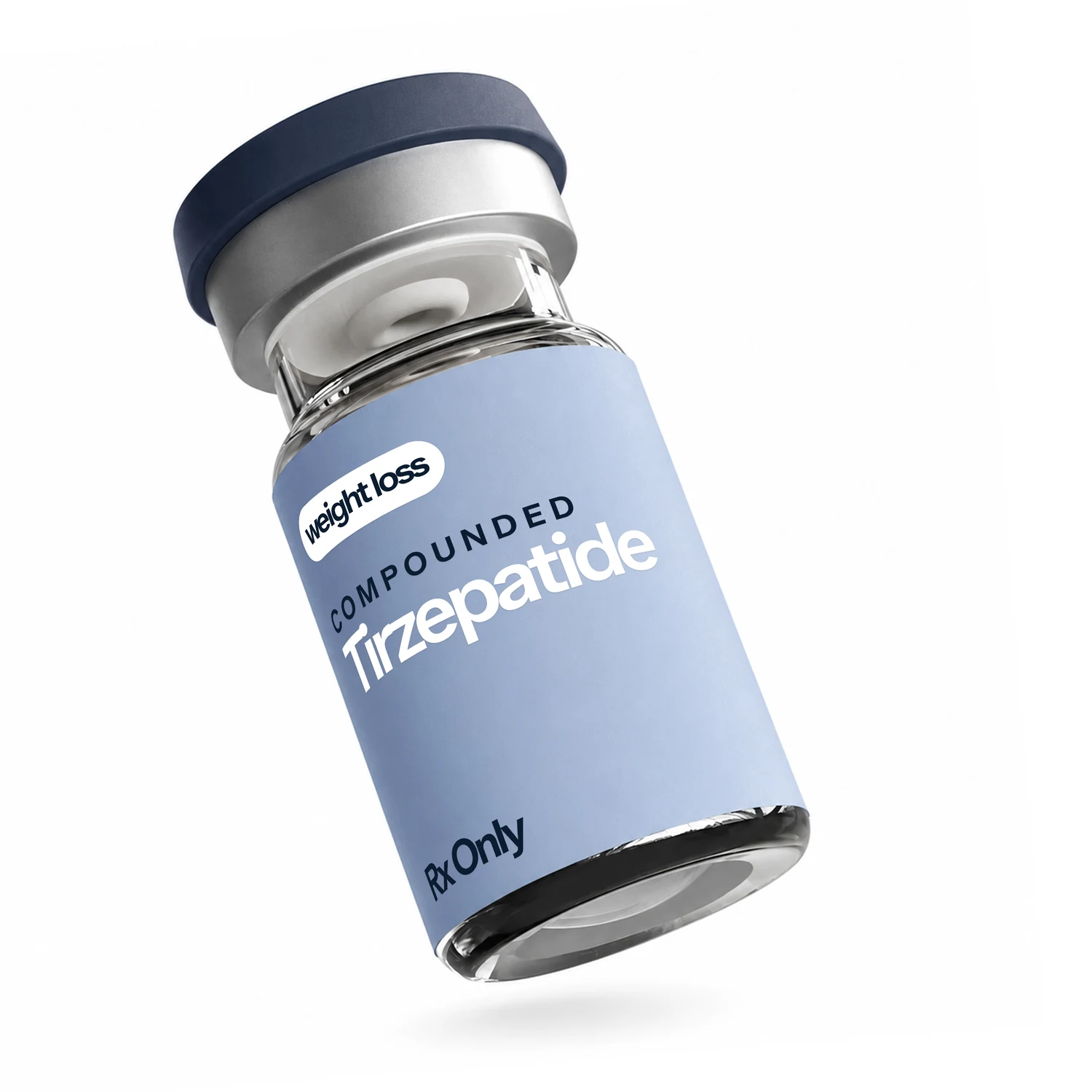
Compounded TirzepatideRx
Weekly GLP-1 + GIP injection.
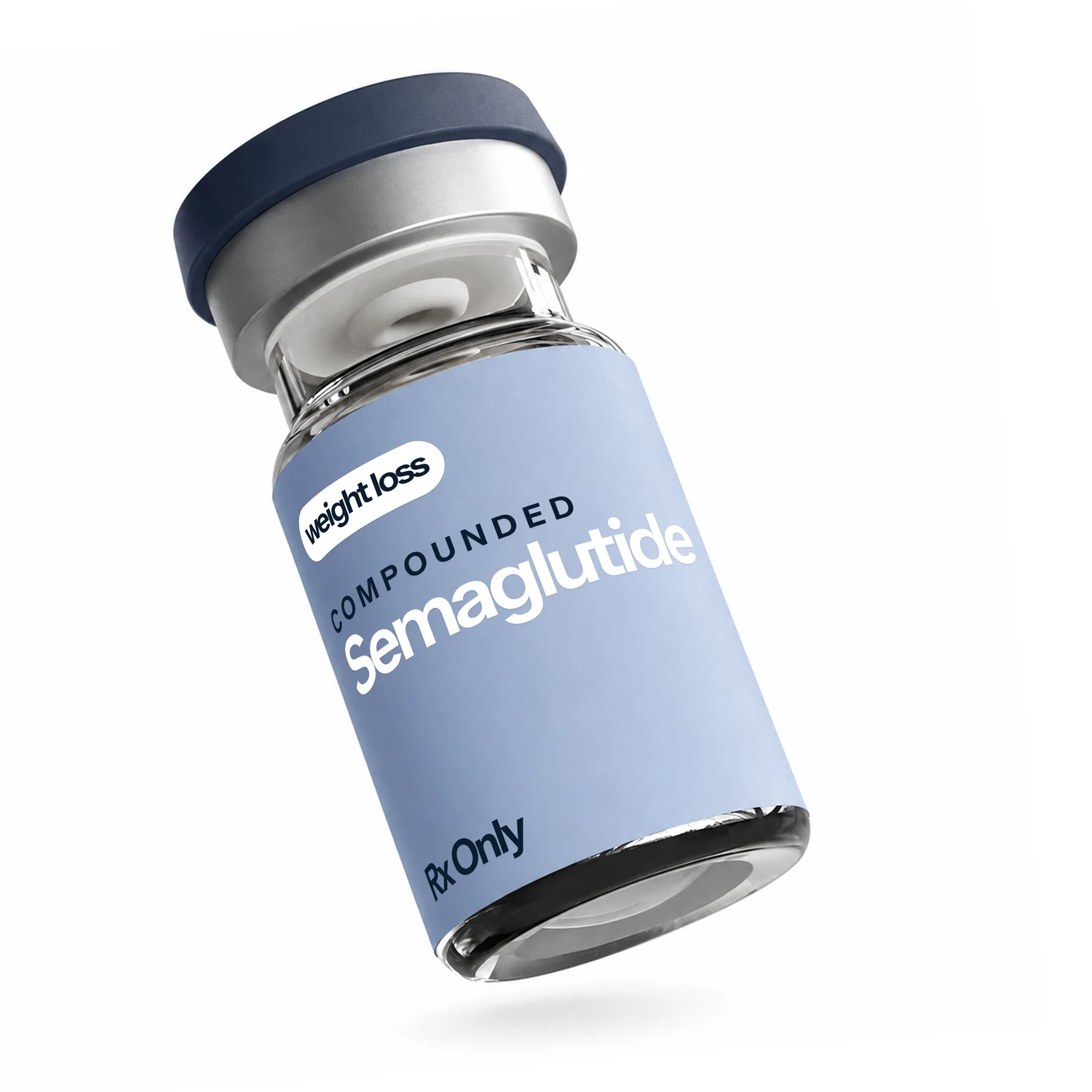
Compounded SemaglutideRx
Weekly GLP-1 injection.
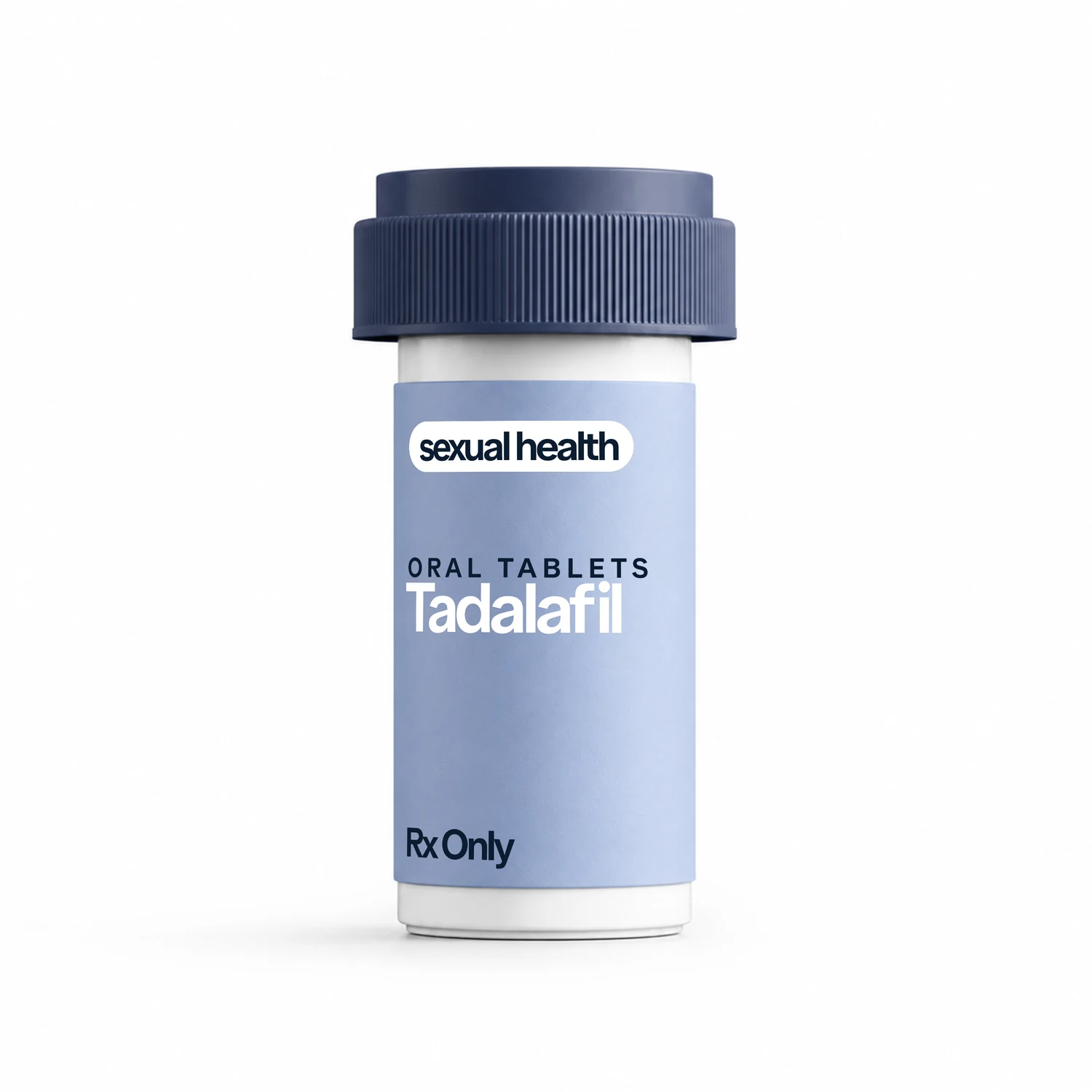
TadalafilRx
Generic Cialis®. Lasts up to 36 hours.
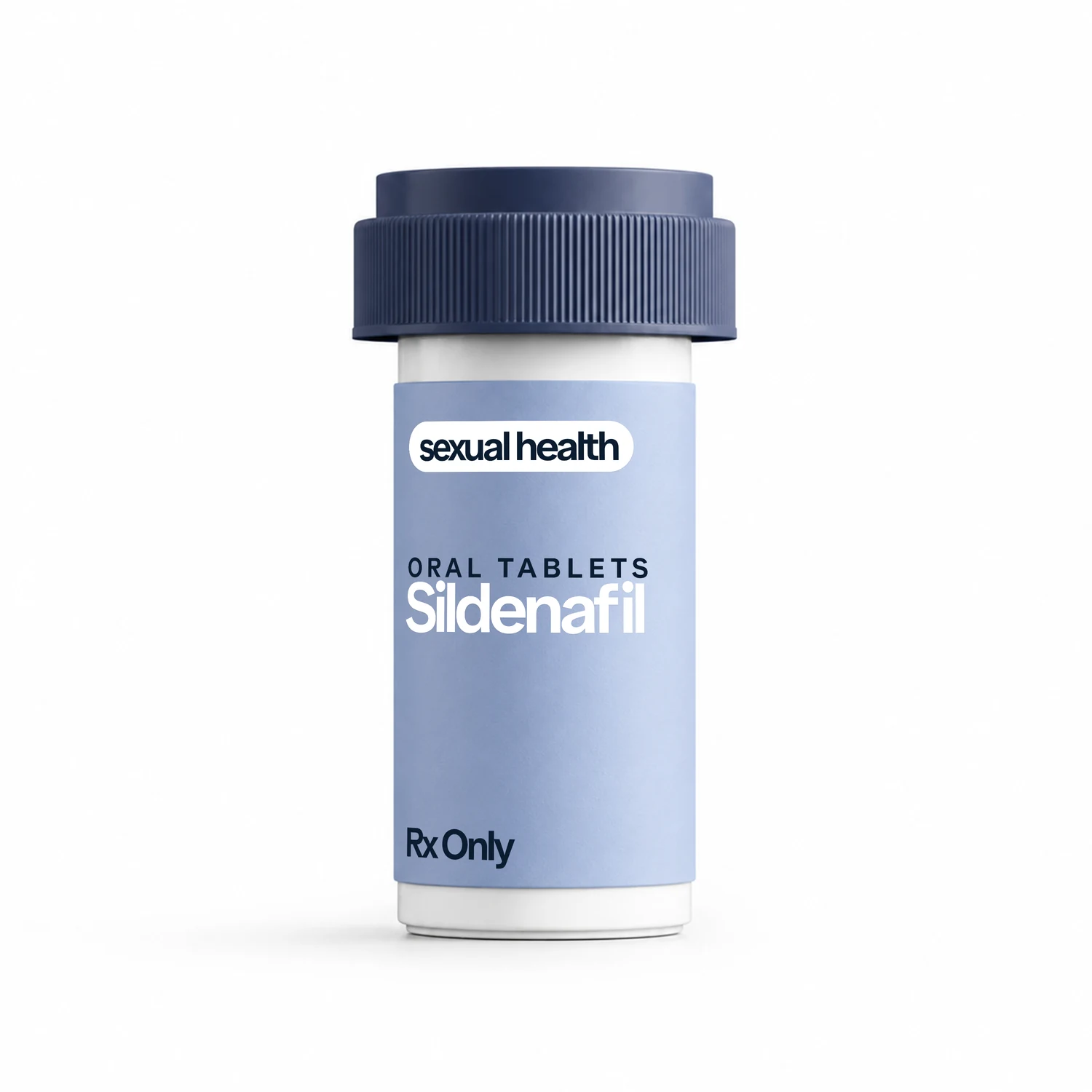
SildenafilRx
Generic Viagra®. Works in 30 minutes.
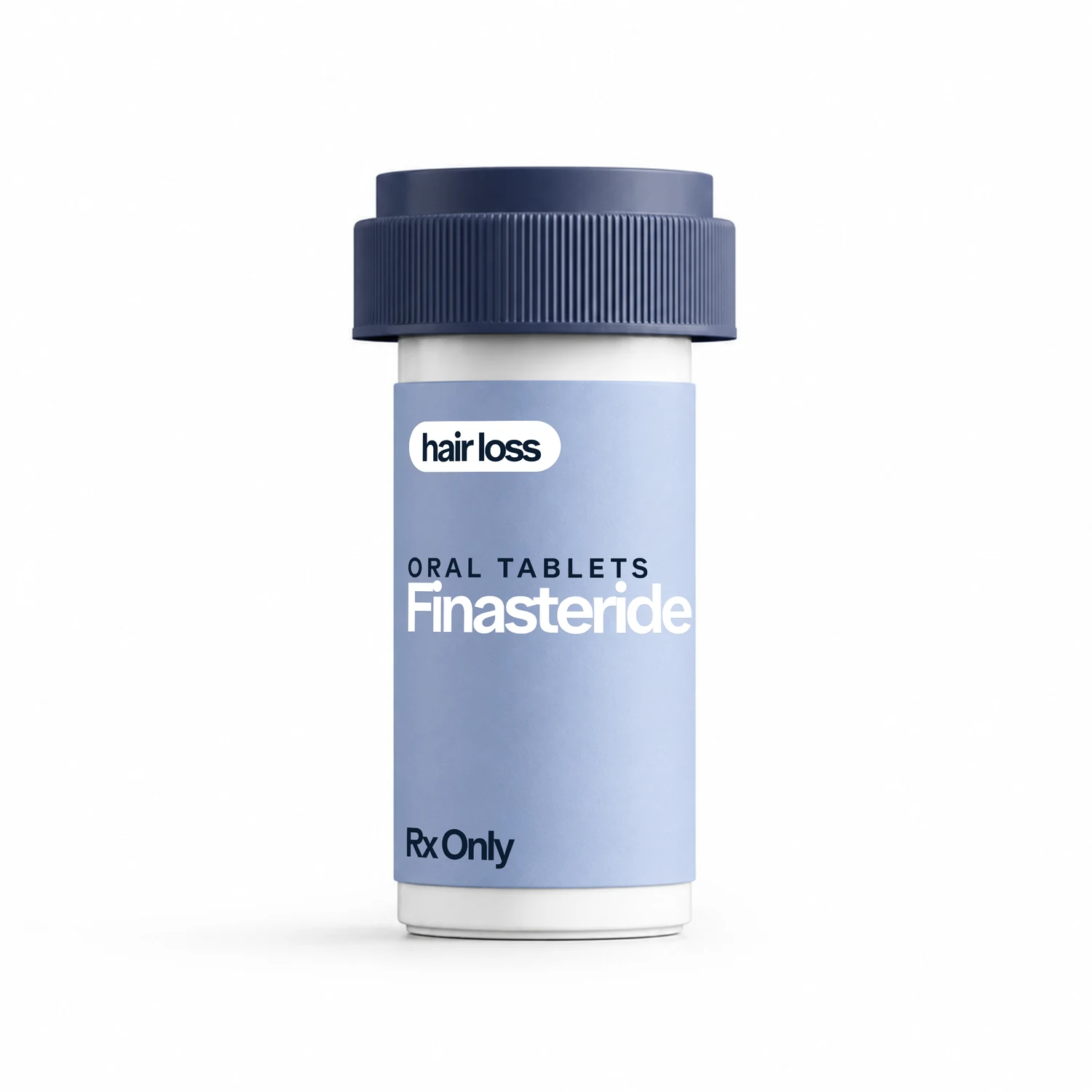
FinasterideRx
Generic Propecia®. Blocks DHT daily.
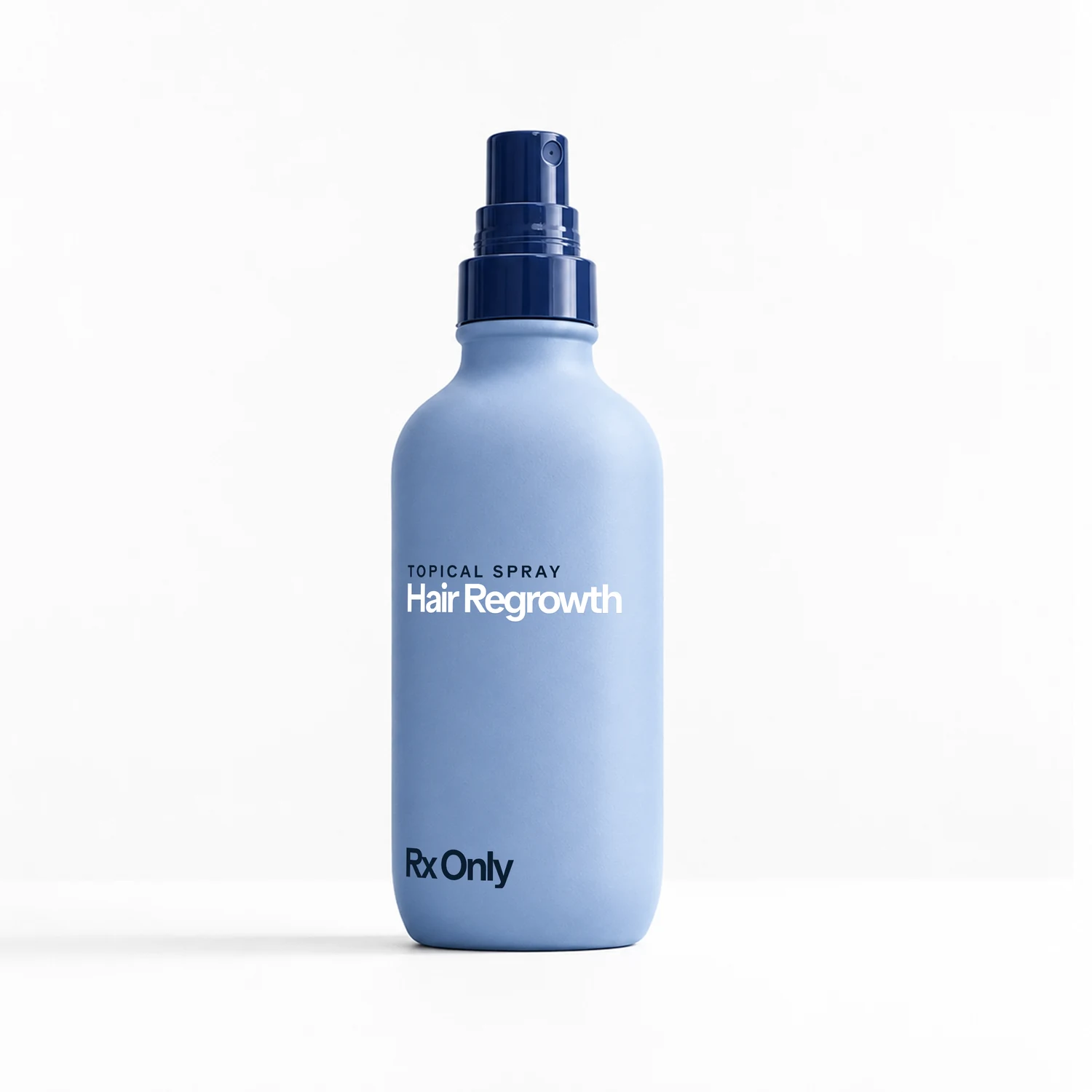
Hair Regrowth SprayRx
3-in-1 topical: finasteride + minoxidil + tretinoin.
Protein-First Eating: How to Build a Plate That Works

Written by Todd Chrisley
Published July 3, 2026

Key Takeaways
# Protein-First Eating: How to Build a Plate That Works
I spent a long time confusing movement with progress. You can stay very busy doing things that do not actually move you forward. That is true in business. It is true in marriage. And it is true at the dinner table. When I started paying attention to what I was actually putting on my plate — not obsessing over it, just paying attention — the results were not subtle. Results may vary, but the principle does not.
Today is the Fourth of July. Independence Day. And I want to talk about freedom the way I understand it now, which is different from how I understood it before I spent 28 months inside a federal prison. Freedom is not the absence of restriction. Freedom is the capacity to act. A man who cannot carry his own weight — literally or figuratively — is not free. He is dependent. On the couch. On medication for conditions that discipline might have prevented. On other people to do what he should be able to do himself. Stewardship of this body is an act of freedom. And it starts, honestly, at the plate.
What I Learned About Protein, and Why It Matters More After 45
I am not a doctor. I will say that plainly. But I have sat across from enough of them in the last few years to understand what they are telling men in my age bracket. After 45, the body's ability to build and hold skeletal muscle begins to decline in a process called sarcopenia. The National Institutes of Health identifies sarcopenia as one of the primary drivers of functional decline in older men. You do not feel it all at once. You feel it as fatigue that shows up a little earlier. Pants that fit differently. A back that complains after tasks it used to handle quietly.
The fix is not complicated. According to research published in the American Journal of Men's Health, older men consistently under-consume dietary protein, and closing that gap is one of the most accessible interventions available. The NIH Office of Dietary Supplements notes that adequate protein intake supports muscle protein synthesis, metabolic rate, and satiety — which is a clinical way of saying you stay fuller, you stay stronger, and your body runs closer to the way it was designed to run.
The protein-first eating method is not a diet. It is a sequencing rule. You build the plate around protein. Everything else is supporting cast.
The Principle: Build the Plate from the Center Out
Here is what the protein-first eating method looks like in practice. Before you put anything else on your plate, you decide on your protein source. Not after. Not as an afterthought beside a mountain of bread. First.
A high-protein plate for men typically anchors on four to six ounces of a quality protein source — eggs, chicken, fish, lean beef, cottage cheese, Greek yogurt, legumes for those who prefer plant-based options. That protein sits at the center. Then you add vegetables, which bring fiber and micronutrients. Then, if there is room and genuine hunger, you add a starch — a modest portion, not the foundation of the meal.
Peer-reviewed research published in Obesity confirms that higher protein intake at meals increases satiety hormones like GLP-1 and peptide YY, which reduces overall caloric intake without requiring willpower to override hunger. You are not fighting your body. You are working with how it was built.

According to a study in the Journal of Clinical Endocrinology and Metabolism, men who consumed at least 1.2 grams of protein per kilogram of body weight daily maintained significantly more lean muscle mass during periods of caloric restriction than men who met only the basic recommended dietary allowance. The number matters. The timing matters. And the habit of protein at every meal is the simplest way to hit both without tracking every bite.
If you are sitting where I was sitting a few years back — telling yourself you eat fine, that you just need to move more, that food is not really the issue — I want to be honest with you. Movement matters enormously. But you cannot out-walk a plate that is built backwards.
What to Actually Do
These are plain instructions. No complexity required.
One. Before every meal, name the protein source first. Not last, not as a side thought. First.
Two. Aim for roughly 30 grams of protein per meal. That is roughly four to five eggs, a six-ounce chicken breast, or a cup of Greek yogurt paired with another source. The NIH suggests spreading protein across meals rather than concentrating it in one sitting for optimal muscle protein synthesis.
Three. Eat vegetables second. Not as decoration. As the second structural element of the plate.
Four. Add complex carbohydrates third — rice, sweet potato, whole grain bread — in a portion that fills what is left, not what is leading.
Five. Drink water before the meal. Gastric volume matters. A 2019 study in Obesity found that pre-meal water consumption reduced caloric intake in overweight adults. Simple and free.
Six. Do this at breakfast too. Breakfast is where most men in my age group abandon the simple nutrition rules entirely and wonder why they are ravenous by ten in the morning.
That is the whole method. It will not require an app. It will not require a subscription box. It will require that you decide every single time you sit down to eat that the body God gave you is worth the thirty seconds of intentional thought it takes to build a plate correctly.
For men who are working on weight management alongside nutrition:

Good Guy Rx is a technology platform that connects men to independent licensed physicians and independent state-licensed pharmacies. If you are carrying weight that nutrition and movement alone have not been able to address, a licensed provider can review your full picture and discuss whether additional clinical support is appropriate. Any compounded medications involved are prepared by state-licensed compounding pharmacies in accordance with FDA regulations — not manufactured by us, and not FDA-approved.
If that conversation sounds right for where you are, you can start with a weight loss assessment here. A real licensed provider will review your information. Results may vary.
The Close
Freedom is a word people use loosely until they have lost it. I do not use it loosely anymore. The body you are in right now is not an inconvenience. It is a gift. And you are either maintaining the gift or spending it down. The protein-first eating method is not a complicated answer. It is a simple one. Simple is not the same as easy. But it is the right place to start.
Take care of what God gave you.
Sources
- Sarcopenia and Aging — National Institutes of Health
- Protein Intake and Muscle Mass in Older Men — American Journal of Men's Health
- Protein, Satiety Hormones, and Caloric Regulation — Obesity Journal
- Protein Intake and Lean Mass Preservation — Journal of Clinical Endocrinology and Metabolism
- Pre-Meal Water Consumption and Caloric Intake — Obesity Journal
- NIH Office of Dietary Supplements — Protein and Muscle Protein Synthesis
References
- [Protein Intake and Muscle Mass in Older Men — American Journal of Men's Health](https://journals.sagepub.com/home/ajm)
- [Protein, Satiety Hormones, and Caloric Regulation — Obesity Journal](https://onlinelibrary.wiley.com/journal/1930739x)
- [Protein Intake and Lean Mass Preservation — Journal of Clinical Endocrinology and Metabolism](https://academic.oup.com/jcem)
- [Pre-Meal Water Consumption and Caloric Intake — Obesity Journal](https://onlinelibrary.wiley.com/journal/1930739x)
- [NIH Office of Dietary Supplements — Protein and Muscle Protein Synthesis](https://ods.od.nih.gov/)
Share this article

Ready to start your journey?
Complete your free online visit and see if GLP-1 treatment is right for you.
Get Started