Good Guy Rx
Take care of what God gave you.
Get started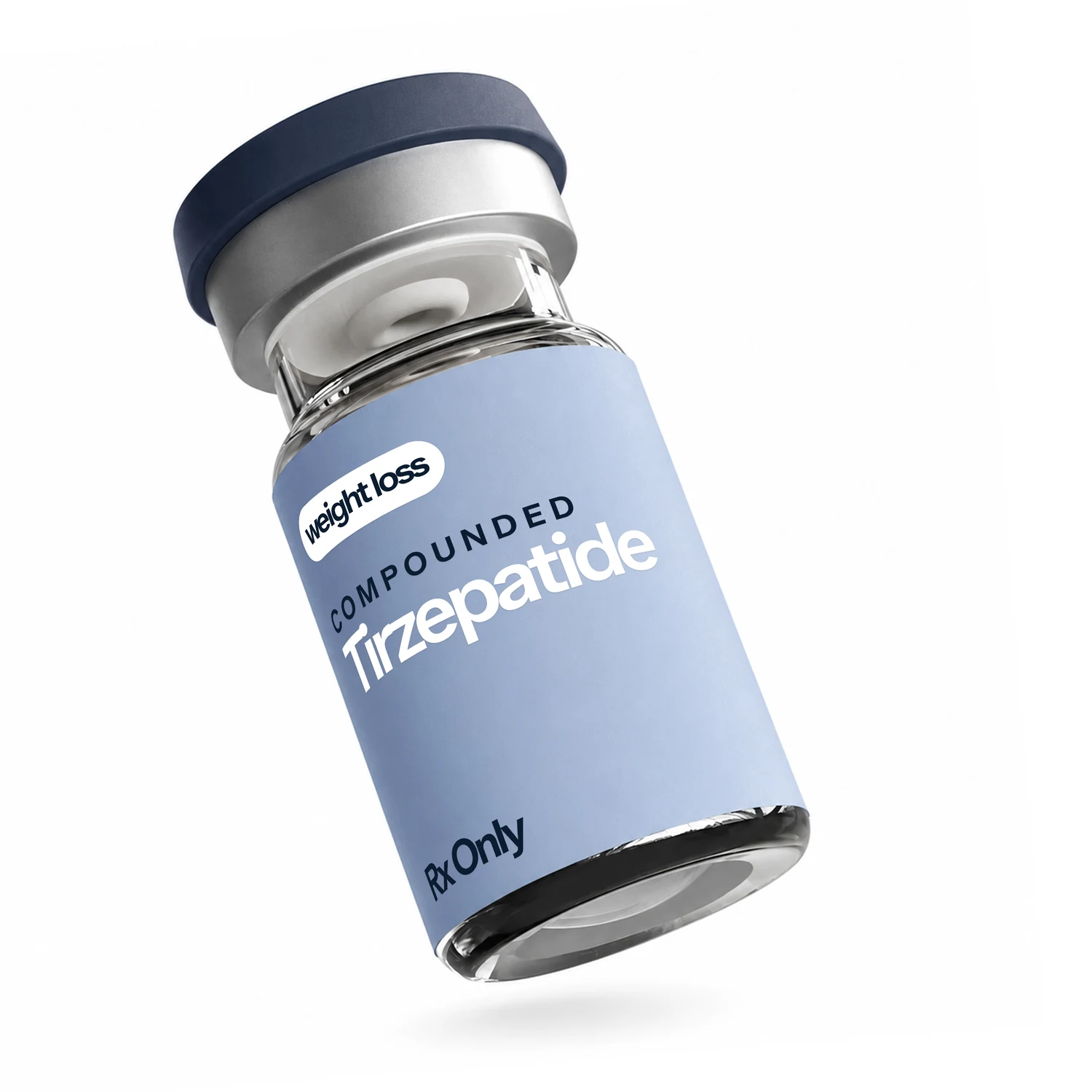
Compounded TirzepatideRx
Weekly GLP-1 + GIP injection.
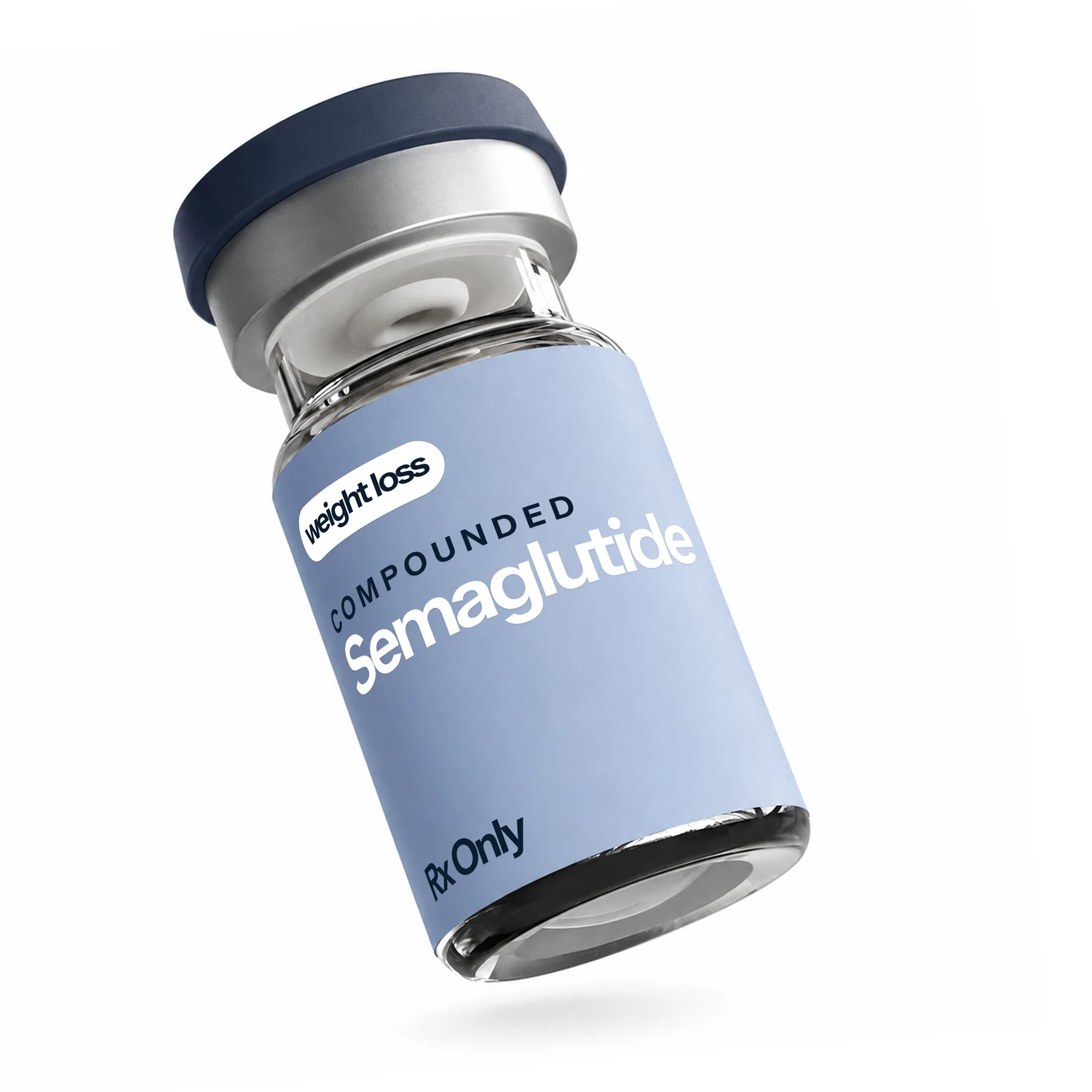
Compounded SemaglutideRx
Weekly GLP-1 injection.
TadalafilRx
Generic Cialis®. Lasts up to 36 hours.

SildenafilRx
Generic Viagra®. Works in 30 minutes.
FinasterideRx
Generic Propecia®. Blocks DHT daily.

Hair Regrowth SprayRx
3-in-1 topical: finasteride + minoxidil + tretinoin.
Walking, Sunlight, Sleep: What Men Over 45 Need

Written by Robert S.
Published March 11, 2026

Key Takeaways
# Walk, Sunlight, Sleep: The Prescription That Costs Nothing
If you typed something like "walking sunlight mood men" into a search bar, you already suspect what the research confirms: three of the most effective tools for mental health in men over 45 are free, require no prescription, and have been available since the beginning of time. Walking. Morning sunlight. Consistent sleep. This article explains what each one does, how they work together, and where a platform like Good Guy Rx fits when those habits are not enough on their own.
Why Men Over 45 Are Paying Attention to This
Depression in men is underdiagnosed and underreported. The Movember Foundation estimates that men are far less likely than women to seek help for mental health conditions, and middle-aged men carry some of the highest rates of depression-related morbidity in the country. The reasons are complex, but the result is straightforward: a man between 45 and 70 who is tired, flat, unmotivated, and sleeping poorly is often dealing with something that has a biological explanation, not a character defect.
That explanation frequently starts with two systems: circadian rhythm — the internal clock that governs sleep, hormone release, and mood — and serotonergic function, the brain's management of serotonin, a neurotransmitter with a direct role in emotional stability. Both of these systems respond, measurably, to walking, sunlight, and sleep. Not as a cure. Not as a replacement for clinical care when clinical care is warranted. But as a foundation without which almost nothing else works as well as it should.
What Morning Sunlight Does to the Brain
Morning sunlight exposure is the most underused mental-health tool in men's health. The mechanism is not mysterious. Light enters the eye, strikes specialized cells in the retina called intrinsically photosensitive retinal ganglion cells (ipRGCs), and sends a signal to the suprachiasmatic nucleus (SCN) in the hypothalamus. The SCN is the master clock. When it receives that morning signal, it suppresses melatonin production, elevates cortisol in a controlled morning spike, and begins the roughly 16-hour countdown to the next sleep cycle.
According to research published in the *Journal of Clinical Endocrinology and Metabolism*, morning light exposure is directly tied to the timing and amplitude of the cortisol awakening response, which affects alertness, mood, and motivation throughout the day. When that morning light signal is absent — because a man wakes before sunrise and stares at a screen, or because he never steps outside until noon — the entire downstream cascade is blunted.
The practical implication is simple. Get outside within 30 to 60 minutes of waking. Direct sunlight, not sunlight through glass. Even overcast light is significantly more effective than indoor lighting. Ten to twenty minutes is enough on most days. This is not a suggestion borrowed from a wellness blog. It is the operating requirement for a biological system that was calibrated over millennia to receive that signal.
Walking and Depression: What the Evidence Shows
Aerobic walking is the most accessible form of exercise for men who have not been active in years, and it carries a clinical evidence base that rivals low-dose antidepressant medication for mild to moderate depression. A landmark meta-analysis published in JAMA Psychiatry found that physical activity — including moderate-intensity walking — was associated with significantly lower odds of depression across age groups, with the effect strongest in men who had been sedentary. Results may vary.

Walking works through several overlapping pathways. It elevates brain-derived neurotrophic factor (BDNF), a protein that supports the growth and maintenance of neurons, particularly in the hippocampus, the brain region most associated with mood regulation and memory. Chronic stress and poor sleep reduce BDNF. Consistent aerobic activity restores it. According to the National Institute of Mental Health, regular physical activity is one of the most consistently supported behavioral interventions for depression and anxiety in adults.
Walking also reduces circulating cortisol over time. This matters because chronic stress in men over 45 is frequently expressed as elevated baseline cortisol, which suppresses testosterone, disrupts sleep architecture, and flattens mood. A 30-minute walk does not fix a broken life, but it does interrupt the cortisol feedback loop in a way that compounds over weeks. The prescription here is consistency, not intensity. Thirty minutes most days. Outside when possible. Morning is optimal because it pairs the exercise benefit with the light-exposure benefit.
Sleep: The System That Governs Everything Else
Sleep architecture changes with age. Men over 45 experience a measurable reduction in slow-wave sleep — the deepest, most restorative stage — and an earlier shift in circadian phase, meaning they get tired earlier and wake earlier than they did at 30. This is normal. It is not, however, inevitable in its severity, and the two interventions above — morning light and walking — are among the most evidence-supported ways to stabilize sleep quality as men age.
According to the CDC, adults who report fewer than seven hours of sleep per night have significantly higher rates of depression, cardiovascular disease, and metabolic dysfunction. For men over 45, poor sleep is also one of the primary drivers of low testosterone, because the majority of testosterone production occurs during sleep, specifically during the slow-wave stages. Disrupted sleep means disrupted production.
The discipline here is not complicated. A consistent wake time — even on weekends — anchors the circadian clock more effectively than any supplement. Morning light reinforces the wake signal. Evening light reduction (screens, overhead lighting after 9 p.m.) protects melatonin onset. Walking during the day reduces sleep-onset latency. These habits are not additive. They are multiplicative. Each one makes the others work better.
Where Good Guy Rx Fits
Good Guy Rx is a technology platform. It connects men to independent licensed physicians and independent state-licensed pharmacies. It does not replace the habits described above. It supports the cases where those habits are working well but something is still missing.
One of the most common gaps is vitamin B12 deficiency, which presents in men over 45 as fatigue, low mood, poor concentration, and disrupted sleep — symptoms that overlap almost completely with mild depression and low testosterone. B12 deficiency is common in men who eat less red meat, take metformin for blood sugar management, or have reduced gastric acid production, which is normal with age. If your energy and mood are not responding to better sleep and daily walks, B12 status is worth checking.
Good Guy Rx offers **B12 supplementation** prepared by state-licensed compounding pharmacies in accordance with FDA regulations. Compounded medications are not FDA-approved. They are prepared to the specifications ordered by an independent licensed provider following a clinical consultation. The process starts with an online visit — no waiting room, no commute.
During National Nutrition Month, it is worth noting that the same dietary principles that support mood and energy — adequate protein, B-vitamin-rich whole foods, reduced processed sugar, a Mediterranean-style eating pattern — are also the ones most likely to support the circadian and serotonergic systems described above. The platform's providers can evaluate nutritional status as part of a broader men's health consultation.

What to Do Next
Step 1. Commit to a consistent wake time for 14 days. The same time every morning, including weekends. This is the single highest-leverage sleep intervention available without a prescription.
Step 2. Get outside within 30 to 60 minutes of waking. Walk for at least 20 minutes. If you have a dog, use it. If you do not, find a route you do not hate. The quality of the walk matters less than the consistency.
Step 3. Reduce light exposure in the two hours before bed. This means dimming overhead lights and reducing screen brightness. The goal is to allow melatonin onset to occur on schedule.
Step 4. If you have been consistent with the above for four to six weeks and still feel flat, fatigued, or unmotivated, request an online visit through Good Guy Rx. An independent licensed provider can assess B12, testosterone, thyroid function, and other markers that affect mood and energy in men over 45. Start with a B12 visit here.
Sources
- Physical Activity and Incident Depression: A Meta-Analysis of Prospective Cohort Studies — *JAMA Psychiatry* — https://jamanetwork.com/journals/jamapsychiatry
- Morning Cortisol Awakening Response and Light Exposure — *Journal of Clinical Endocrinology and Metabolism* — https://academic.oup.com/jcem
- Sleep and Health — Centers for Disease Control and Prevention — https://www.cdc.gov/sleep/
- Depression in Men — National Institute of Mental Health — https://www.nimh.nih.gov/health/topics/men-and-mental-health
- Men and Mental Health Statistics — Movember Foundation — https://us.movember.com/mens-health/mental-health
- Brain-Derived Neurotrophic Factor and Exercise — *Cell Metabolism* — https://www.cell.com/cell-metabolism/home
- Vitamin B12 Deficiency in Adults — National Institutes of Health Office of Dietary Supplements — https://ods.od.nih.gov/factsheets/VitaminB12-HealthProfessional/
This article is for informational purposes only and does not constitute medical advice. Talk with a licensed provider through the patient portal before starting any treatment.
References
- [Morning Cortisol Awakening Response and Light Exposure — *Journal of Clinical Endocrinology and Metabolism* — https://academic.oup.com/jcem](https://academic.oup.com/jcem)
- [Sleep and Health — Centers for Disease Control and Prevention — https://www.cdc.gov/sleep/](https://www.cdc.gov/sleep/)
- [Depression in Men — National Institute of Mental Health — https://www.nimh.nih.gov/health/topics/men-and-mental-health](https://www.nimh.nih.gov/health/topics/men-and-mental-health)
- [Men and Mental Health Statistics — Movember Foundation — https://us.movember.com/mens-health/mental-health](https://us.movember.com/mens-health/mental-health)
- [Brain-Derived Neurotrophic Factor and Exercise — *Cell Metabolism* — https://www.cell.com/cell-metabolism/home](https://www.cell.com/cell-metabolism/home)
- [Vitamin B12 Deficiency in Adults — National Institutes of Health Office of Dietary Supplements — https://ods.od.nih.gov/factsheets/VitaminB12-HealthProfessional/](https://ods.od.nih.gov/factsheets/VitaminB12-HealthProfessional/)
- This article is for informational purposes only and does not constitute medical advice. Talk with a licensed provider through the patient portal before starting any treatment.*
Share this article

Ready to start your journey?
Complete your free online visit and see if GLP-1 treatment is right for you.
Get Started