Good Guy Rx
Take care of what God gave you.
Get started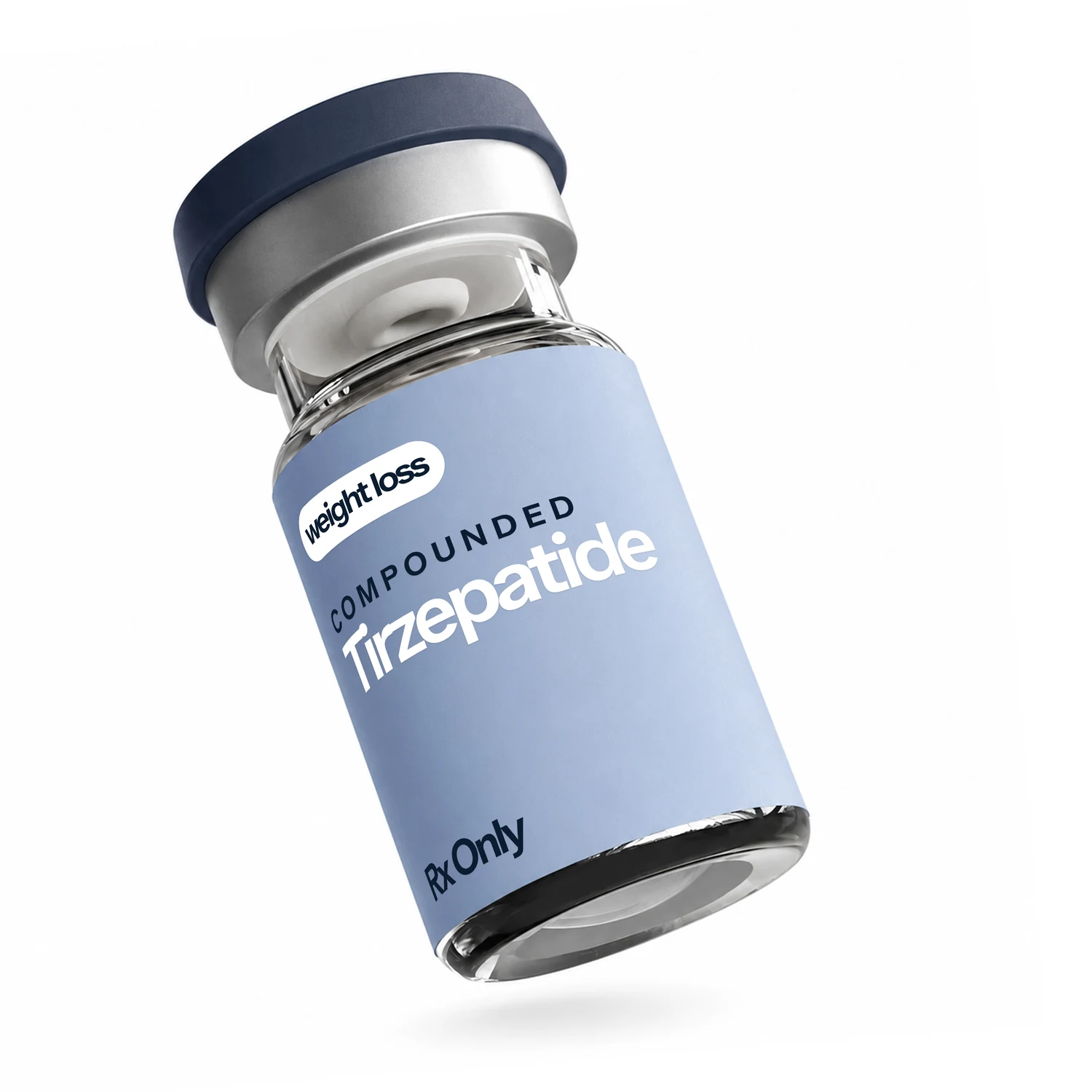
Compounded TirzepatideRx
Weekly GLP-1 + GIP injection.

Compounded SemaglutideRx
Weekly GLP-1 injection.
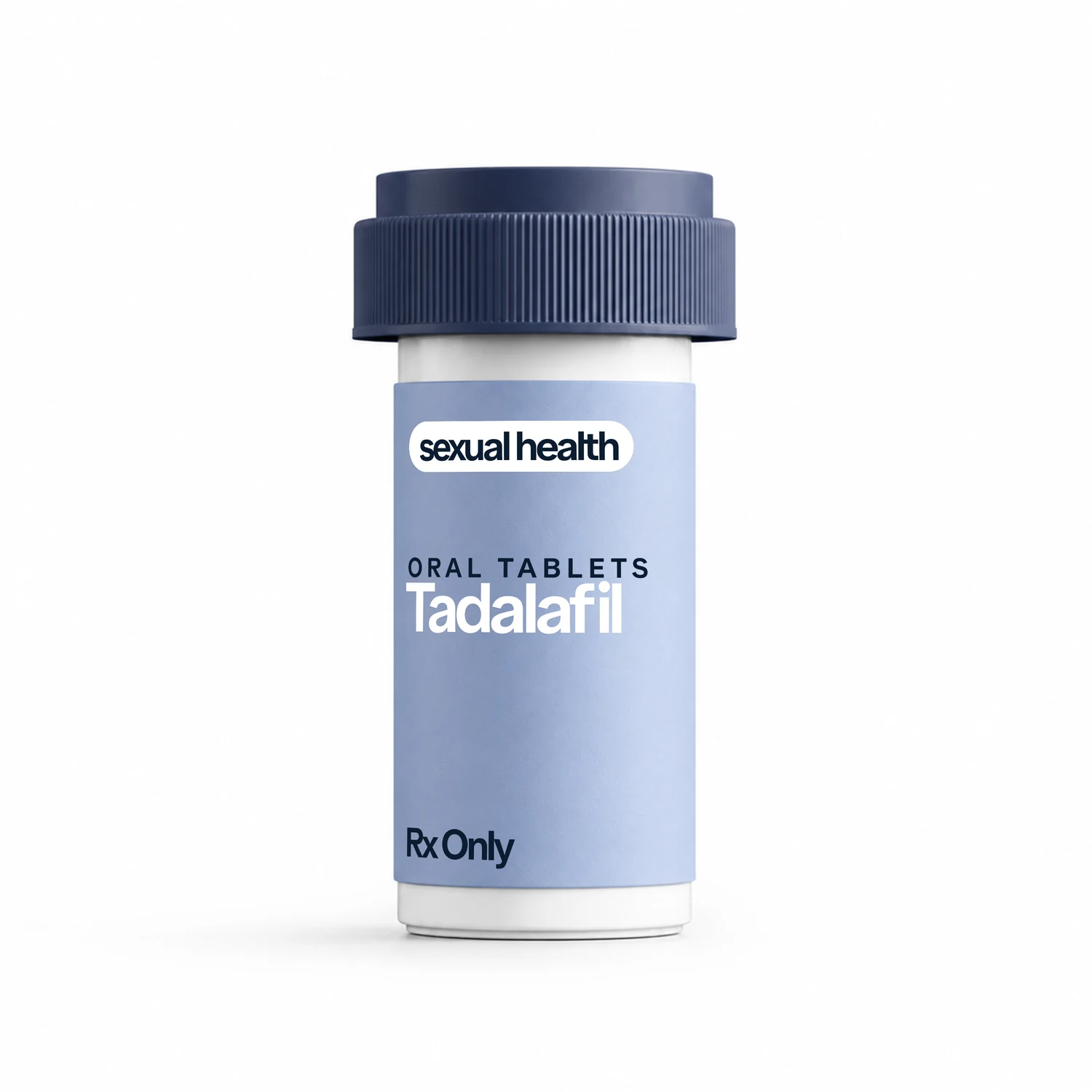
TadalafilRx
Generic Cialis®. Lasts up to 36 hours.

SildenafilRx
Generic Viagra®. Works in 30 minutes.
FinasterideRx
Generic Propecia®. Blocks DHT daily.
Hair Regrowth SprayRx
3-in-1 topical: finasteride + minoxidil + tretinoin.
Loneliness in Men Over 50: Why It Happens and What Helps

Written by Robert S.
Published April 10, 2026

Key Takeaways
# Loneliness in Men Over 50: Why It Happens and What Helps
If you searched for something like "why am I so lonely after 50" or "do other men my age feel this isolated," you are not alone — and you are not weak. Loneliness in men over 50 is one of the most under-discussed health risks in American medicine. It is not a mood. It is not a phase. It is a condition with documented physiological consequences, and it disproportionately falls on men in the second half of life.
This article explains why that happens, what the research says about the consequences, and what steps you can take right now.
Why Loneliness Peaks for Men at Midlife
Male social isolation does not appear overnight. It builds across decades through a series of transitions that feel ordinary at the time.
Career structures the social lives of most men between 25 and 55. Colleagues fill the role that community once did. When retirement approaches — or when a job ends earlier than planned — the daily contact disappears. Unlike women, who research consistently shows maintain broader emotional support networks across adulthood, men often discover that their closest relationships were tethered entirely to shared activity or shared workplaces rather than to mutual disclosure.
The Movember Foundation, which tracks men's health globally, reports that men on average have fewer close friends than women and are significantly less likely to discuss personal matters with those friends. By the time a man reaches his mid-50s, the number of people he considers genuinely close has often narrowed to one: his spouse or partner. If that relationship strains or ends, the floor can disappear entirely.
Compounding this is a cultural norm that men in this demographic absorbed early — that needing connection is a form of need that should not be shown. That norm does not make the need go away. It just makes men less likely to name it or address it.
What the Research Shows About the Health Consequences
The consequences of chronic loneliness extend well beyond low mood. According to a landmark review published in *Perspectives on Psychological Science* by Julianne Holt-Lunstad and colleagues, social isolation and loneliness are associated with a 26 to 29 percent increased risk of premature mortality — a figure comparable to smoking 15 cigarettes a day.
The Centers for Disease Control and Prevention (CDC) identifies social isolation among older adults as a serious public health concern linked to higher rates of heart disease, stroke, dementia, depression, and anxiety. The agency notes that isolated adults are significantly more likely to visit emergency departments and less likely to engage in preventive care.
For men specifically, the relationship between isolation and depression carries an additional layer of risk. The National Institute of Mental Health (NIMH) notes that men are less likely than women to recognize or report depressive symptoms, more likely to express depression through irritability or substance use rather than sadness, and significantly less likely to seek treatment. This means the gap between suffering and care is wider for men, and loneliness sits at the mouth of that gap.
Peer-reviewed research also suggests that loneliness triggers measurable increases in cortisol — the body's primary stress hormone. Elevated cortisol over sustained periods suppresses immune function, disrupts sleep architecture, and can accelerate the hormonal shifts that already accompany aging in men, including declining testosterone levels. The connections between chronic stress, poor sleep, and hormonal health are well-documented in *The Journal of Clinical Endocrinology and Metabolism*.
The "Aging Men Friendship" Problem Is Structural, Not Personal
It is worth stating plainly: the difficulty that aging men have maintaining friendship is not a character flaw. It is a structural problem produced by the way most American men are raised, educated, and employed.

Boys in most American households and schools are not taught the skills of emotional friendship maintenance — the check-ins, the vulnerability, the deliberate investment of time in relationships that have no transactional value. Girls, on average, receive more of that scaffolding. By the time a man is 55, he may simply have had forty fewer years of practice at something that requires practice.
Research published in the *American Journal of Men's Health* consistently shows that men's friendships tend to be activity-based — they exist because two men do something together. When the activity ends (a sport, a job, a neighborhood), the friendship often ends with it. Women's friendships are more likely to be disclosure-based — they persist across geography and life change because they are rooted in conversation rather than context.
This is not a hierarchy. It is a difference with real consequences for men navigating the transitions of midlife. Understanding the structure of the problem is the beginning of addressing it.
What Actually Helps
Reconnection does not require grand gestures or personality changes. The research points toward specific, repeatable behaviors.
According to a 2020 study published in *PNAS*, the frequency of social contact matters more than the depth of any single interaction in the short term. In other words, more low-stakes contact — a brief phone call, a regular coffee, a weekly standing activity — builds the neural and emotional pathways that counteract isolation more effectively than one emotionally intense conversation every few months.
The American Psychological Association recommends structured, recurring social commitments over informal, as-available contact — precisely because men in this demographic are more likely to follow through on something that resembles an obligation or a scheduled activity than on something open-ended.
Faith communities, civic organizations, men's groups associated with service organizations, and recreational leagues all provide the activity-based entry point that matches how many men form connection. They require no prior disclosure and no explanation of why you showed up. Results may vary, and the right fit depends on the individual — but the data consistently favors structured recurring contact over waiting for connection to occur naturally.
Seeking support from a licensed mental health professional is also a concrete, effective option — not a last resort. Telehealth has significantly reduced the logistical friction of that first appointment.
A Note on Stewardship This Month
April is Testicular Cancer Awareness Month. The connection to this article is direct: men who are socially isolated are less likely to perform self-examinations, less likely to report symptoms to a physician, and less likely to follow through on referrals. The American Cancer Society recommends monthly testicular self-examination — a straightforward physical check best performed after a warm shower, noting any new lumps, changes in size, or sensations of heaviness that were not present before.
Testicular cancer is among the most treatable cancers when caught early. Stewardship of the body includes knowing what you are working with. If you notice anything unfamiliar, contact a licensed provider promptly — not after waiting to see if it resolves on its own.
Where Good Guy Rx Fits
Good Guy Rx is a technology platform. It connects men to independent licensed physicians and independent state-licensed pharmacies. It does not manufacture medications and does not dispense them directly.
The hormonal consequences of chronic stress and social isolation — disrupted sleep, declining testosterone, mood instability — are medical questions that belong in a clinical conversation. Good Guy Rx makes that conversation accessible.

If you have concerns about hormonal health, the platform offers a pathway to evaluation and, where clinically appropriate, to treatment options including Testosterone Replacement Therapy and compounded formulations prepared by state-licensed compounding pharmacies in accordance with FDA regulations. Compounded medications are not FDA-approved, but they are prepared under regulatory oversight and prescribed by licensed physicians based on individual patient need.
For men whose sleep has become fragmented — a common downstream effect of both chronic stress and hormonal shifts — sleep support options are also available through the platform following a licensed provider consultation.
For men whose weight has shifted in ways that compound the physical picture, GLP-1 weight management options are available where clinically appropriate, evaluated and prescribed by independent licensed physicians. Results may vary.
None of these are substitutes for social connection. All of them can remove physical barriers that make showing up — for your relationships, your commitments, your life — harder than it needs to be.
What to Do Next
1. Name the condition accurately. Loneliness is not a personality defect. It is a state with measurable health consequences. Naming it accurately is the first step toward addressing it.
2. Schedule one recurring commitment this week. Not an open-ended plan. A specific day, time, and person. Put it on the calendar. Treat it the way you would treat a work meeting.
3. Talk to a licensed provider about the physical picture. If sleep, energy, mood, or weight have shifted noticeably, those are clinical questions. Use the Good Guy Rx patient portal to connect with an independent licensed physician. Do not bring these questions to customer support — they belong with a provider.
4. Perform a self-examination this month. April is Testicular Cancer Awareness Month. A monthly self-check takes two minutes and belongs in the same category as every other act of responsible maintenance.
Sources
- Social Relationships and Mortality Risk: A Meta-analytic Review — Holt-Lunstad et al., *Perspectives on Psychological Science* — https://pubmed.ncbi.nlm.nih.gov/25910392/
- Loneliness and Social Isolation Linked to Serious Health Conditions — CDC — https://www.cdc.gov/aging/publications/features/lonely-older-adults.html
- Men and Mental Health — National Institute of Mental Health — https://www.nimh.nih.gov/health/topics/men-and-mental-health
- Movember Foundation: Men's Mental Health — https://us.movember.com/mens-health/mental-health
- Social Contact Frequency and Loneliness — *PNAS* — https://www.pnas.org/doi/10.1073/pnas.1918663117
- Loneliness and Social Connection — American Psychological Association — https://www.apa.org/topics/loneliness-social-connections
- Testicular Cancer Early Detection — American Cancer Society — https://www.cancer.org/cancer/types/testicular-cancer/detection-diagnosis-staging/detection.html
- Journal of Clinical Endocrinology and Metabolism — Oxford Academic — https://academic.oup.com/jcem
- American Journal of Men's Health — SAGE Journals — https://journals.sagepub.com/home/ajm
This article is for informational purposes only and does not constitute medical advice. Talk with a licensed provider through the patient portal before starting any treatment.
References
- [Loneliness and Social Isolation Linked to Serious Health Conditions — CDC — https://www.cdc.gov/aging/publications/features/lonely-older-adults.html](https://www.cdc.gov/aging/publications/features/lonely-older-adults.html)
- [Men and Mental Health — National Institute of Mental Health — https://www.nimh.nih.gov/health/topics/men-and-mental-health](https://www.nimh.nih.gov/health/topics/men-and-mental-health)
- [Movember Foundation: Men's Mental Health — https://us.movember.com/mens-health/mental-health](https://us.movember.com/mens-health/mental-health)
- [Social Contact Frequency and Loneliness — *PNAS* — https://www.pnas.org/doi/10.1073/pnas.1918663117](https://www.pnas.org/doi/10.1073/pnas.1918663117)
- [Loneliness and Social Connection — American Psychological Association — https://www.apa.org/topics/loneliness-social-connections](https://www.apa.org/topics/loneliness-social-connections)
- [Testicular Cancer Early Detection — American Cancer Society — https://www.cancer.org/cancer/types/testicular-cancer/detection-diagnosis-staging/detection.html](https://www.cancer.org/cancer/types/testicular-cancer/detection-diagnosis-staging/detection.html)
- [Journal of Clinical Endocrinology and Metabolism — Oxford Academic — https://academic.oup.com/jcem](https://academic.oup.com/jcem)
- [American Journal of Men's Health — SAGE Journals — https://journals.sagepub.com/home/ajm](https://journals.sagepub.com/home/ajm)
Share this article

Ready to start your journey?
Complete your free online visit and see if GLP-1 treatment is right for you.
Get Started