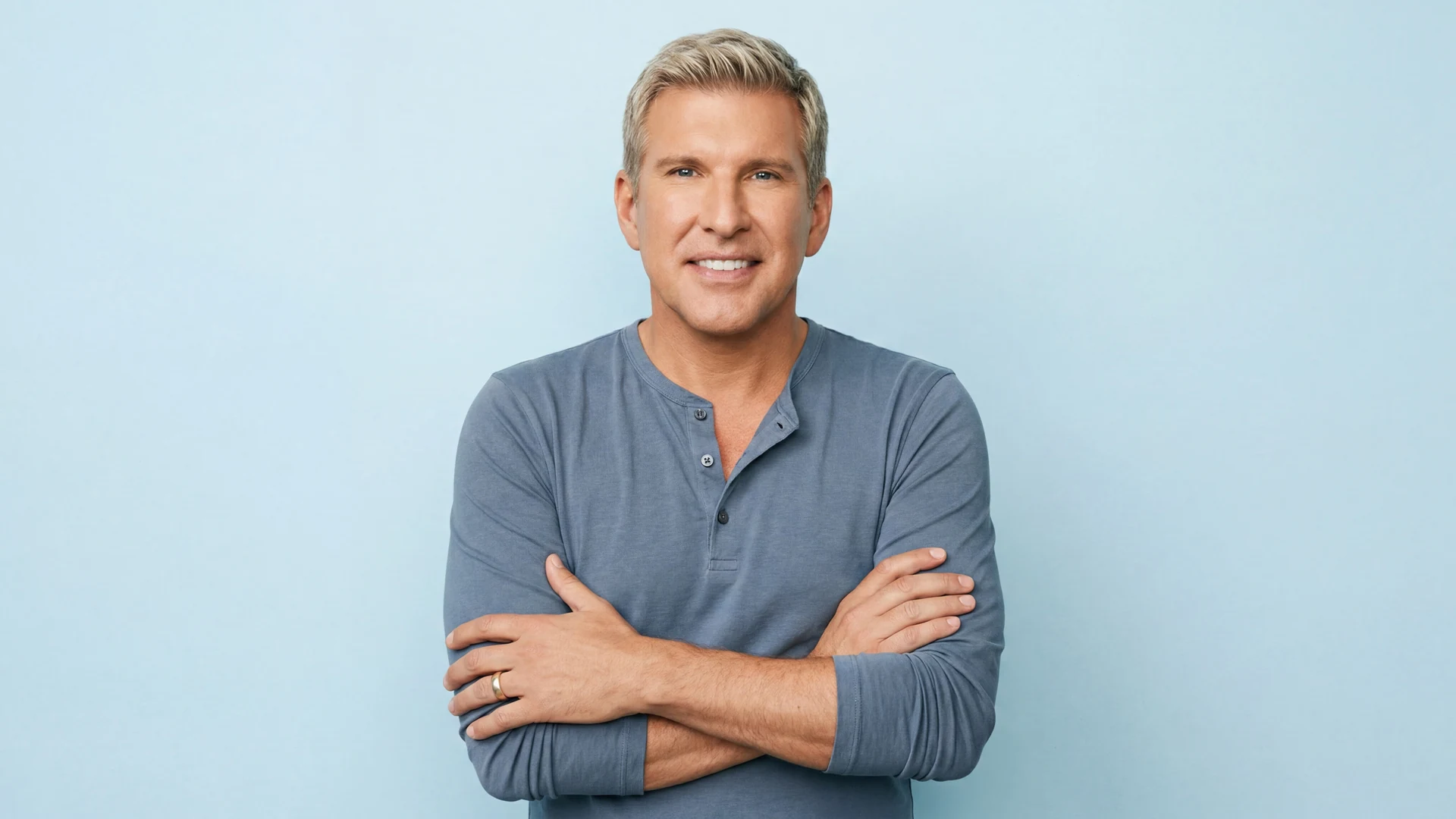
Good Guy Rx
Take care of what God gave you.
Get started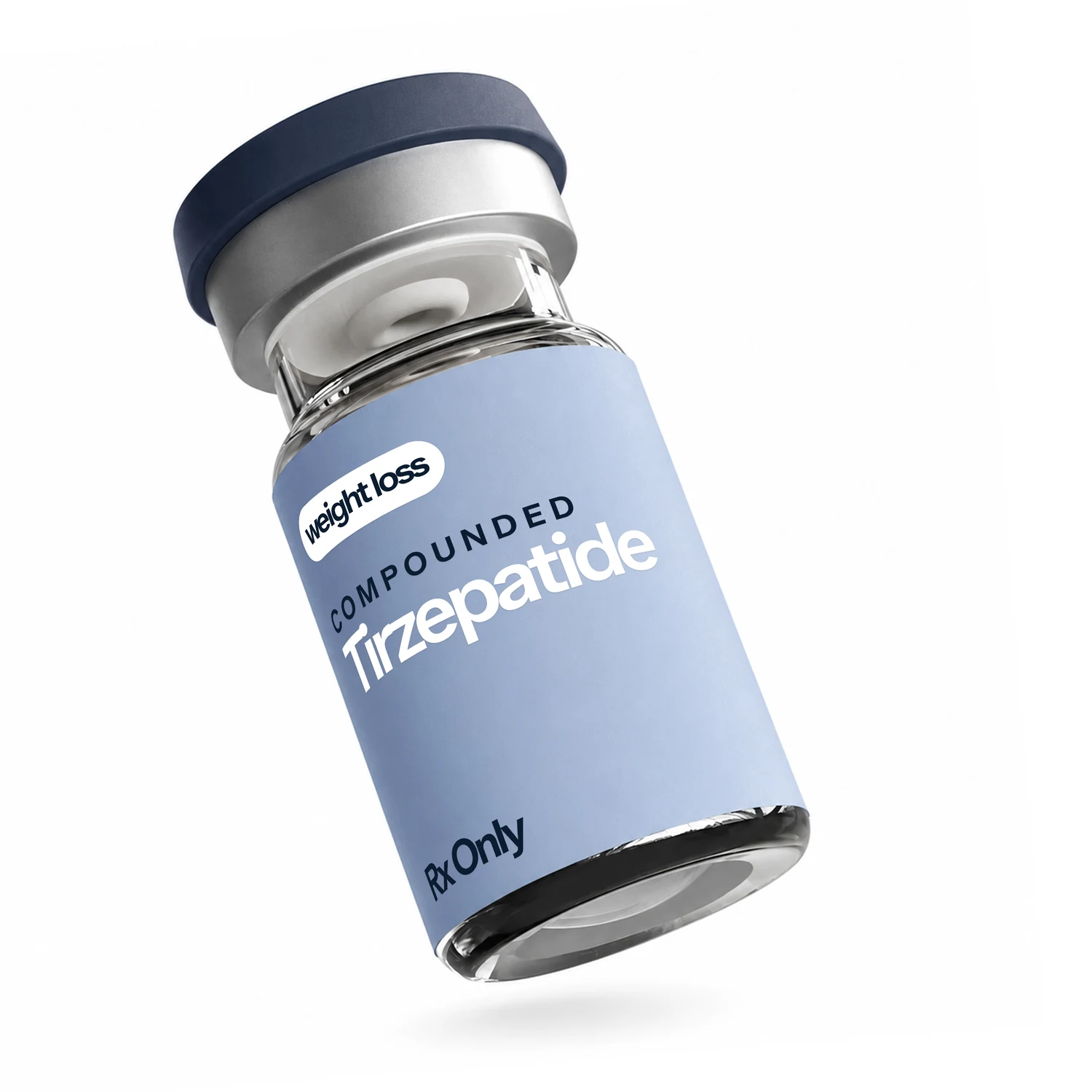
Compounded TirzepatideRx
Weekly GLP-1 + GIP injection.
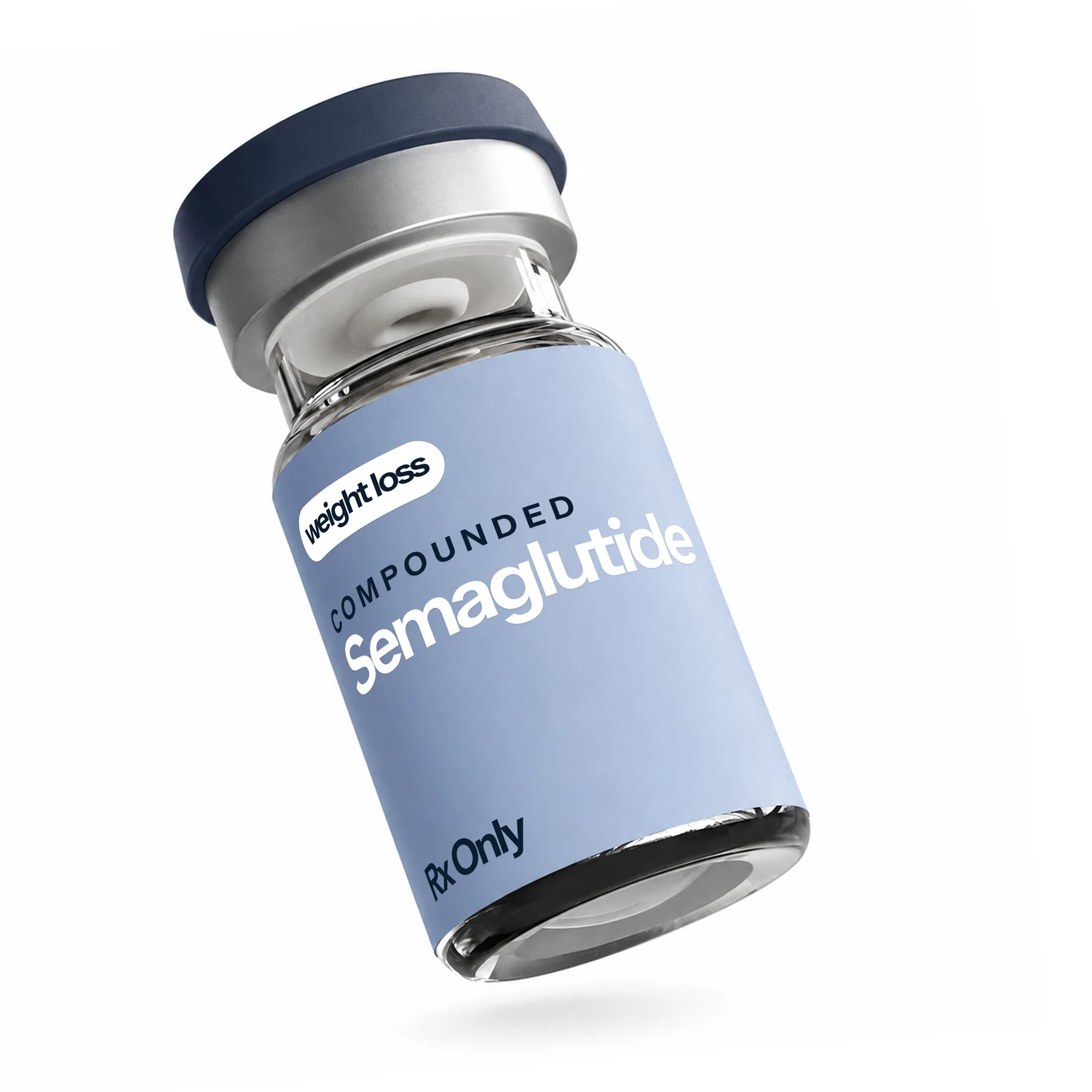
Compounded SemaglutideRx
Weekly GLP-1 injection.
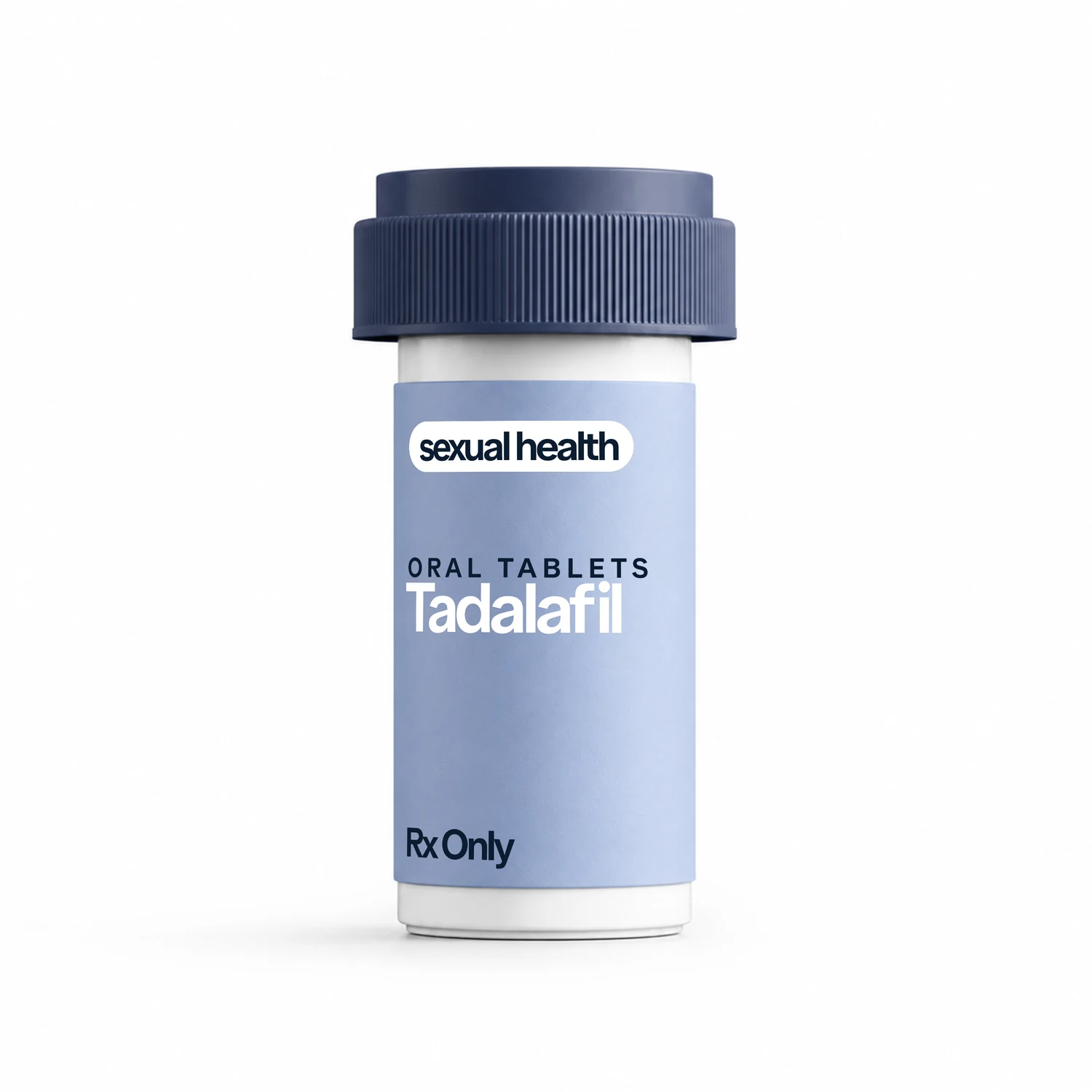
TadalafilRx
Generic Cialis®. Lasts up to 36 hours.
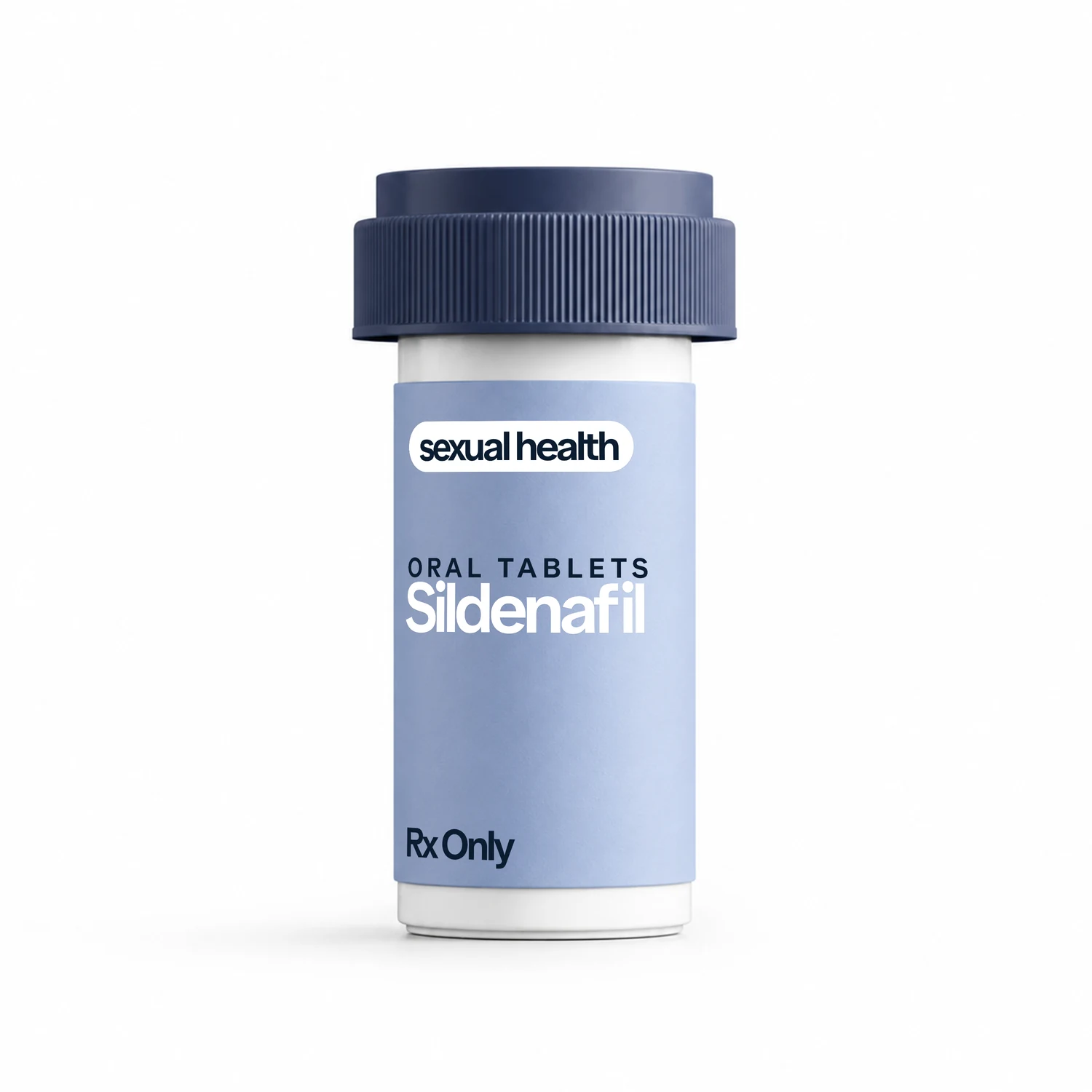
SildenafilRx
Generic Viagra®. Works in 30 minutes.
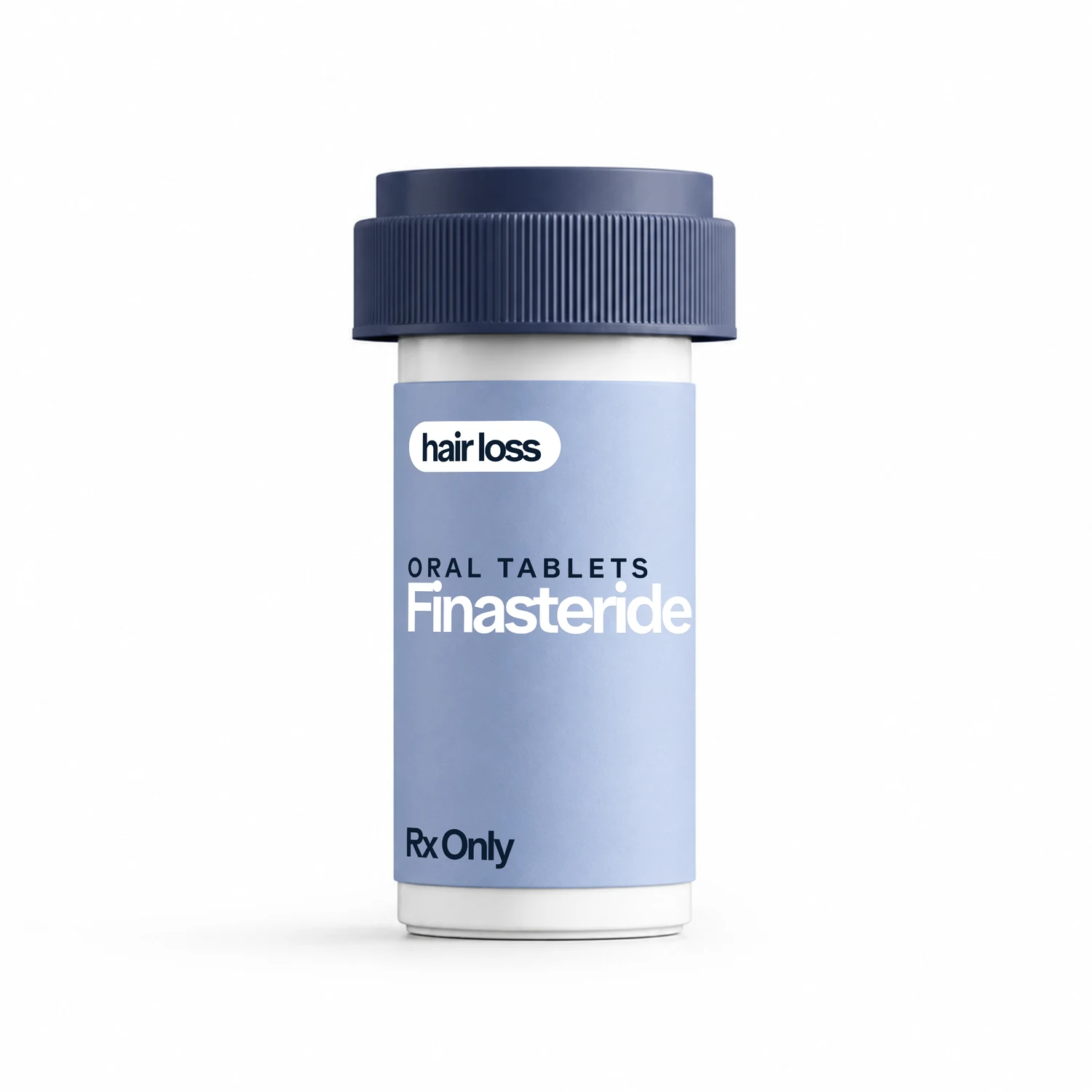
FinasterideRx
Generic Propecia®. Blocks DHT daily.
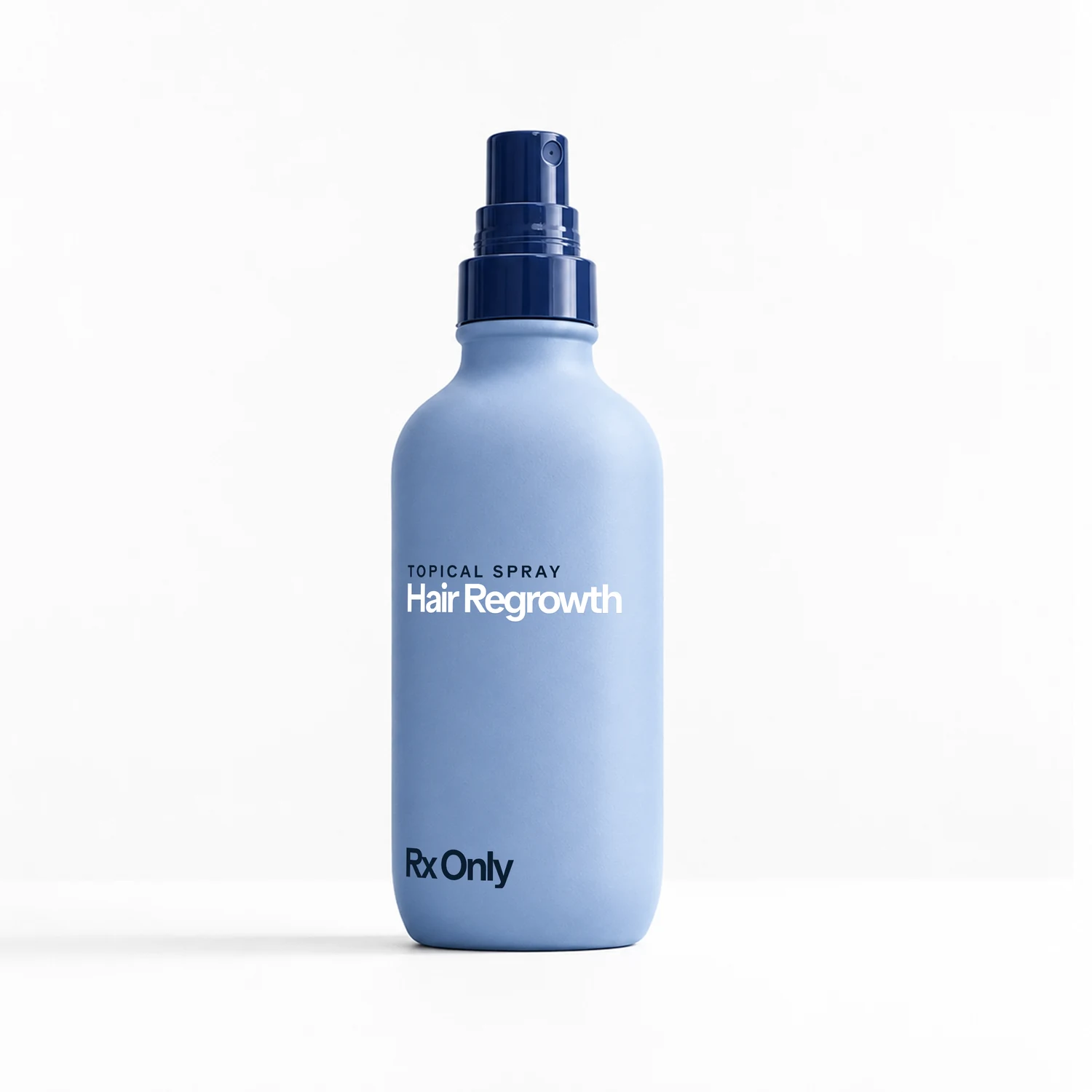
Hair Regrowth SprayRx
3-in-1 topical: finasteride + minoxidil + tretinoin.
Ozempic Face: What It Is and How to Keep Your Face

Written by David K.
Published May 8, 2026

Key Takeaways
# Ozempic Face: What It Is, What It Isn't, and How to Keep Your Face
If you typed "Ozempic face" into a search bar, you already know the concern. You've heard that men who lose weight on GLP-1 medications sometimes end up looking gaunt, hollow-cheeked, or older than they did before they started. That is a fair question to bring to a platform that offers these medications, and it deserves a straight answer.
The short version: Ozempic face is a real phenomenon, it is not unique to GLP-1 medications, and there are concrete steps that reduce the risk substantially. Here is what the evidence actually says.
What "Ozempic Face" Actually Means
The term entered popular vocabulary around 2023, coined in media coverage of patients who lost significant weight on semaglutide and noticed facial volume loss — sunken cheeks, more visible nasolabial folds, looser skin around the jaw and neck.
Dermatologists and plastic surgeons have a more precise term: facial lipoatrophy, meaning the reduction of subcutaneous fat in the face. The face carries fat in discrete compartments — around the temples, cheeks, orbital rim, and jaw. When the body draws down its fat stores during rapid weight loss, those compartments thin out. The skin, which does not shrink at the same rate as the fat beneath it, can appear loose or deflated.
This is not a new problem. Surgeons observed the same pattern in patients following bariatric surgery decades before GLP-1 receptor agonists existed. The mechanism is weight loss itself, not the specific drug. The faster and larger the loss, the more pronounced the effect. According to research published in Aesthetic Surgery Journal, significant total body weight loss correlates predictably with measurable facial volume reduction regardless of how that loss is achieved.
Why Rapid Weight Loss Hits the Face Hard
Two factors interact here: fat redistribution and collagen degradation.
Fat redistribution is straightforward. The face is not spared when the body enters a sustained caloric deficit. The cheeks, which help define the midface and support the skin overlying the lower eyelid, are among the first areas to show volume change in men over 45.
Collagen is the structural protein that gives skin its firmness and elasticity. According to research summarized by the National Institutes of Health, collagen production declines roughly 1 percent per year after age 25. By the time a man is 50, he has already lost a quarter or more of his peak collagen density. Rapid weight loss compounds this by two mechanisms: caloric restriction reduces the amino acid availability needed for collagen synthesis, and the mechanical stretching of loose skin accelerates collagen fiber breakdown.
This is why collagen protein has become a topic worth discussing alongside any weight-loss protocol. It is not a guaranteed fix, but the building blocks matter. A 2019 randomized controlled trial published in Nutrients found that oral collagen peptide supplementation, combined with resistance training, improved skin elasticity and reduced skin roughness compared to placebo in men and women over 50. Results may vary.
What "Ozempic Face" Is Not
It is worth naming what this phenomenon is not, because the media framing can distort the picture.

It is not a sign that something has gone wrong medically. Facial volume change during weight loss is cosmetic, not a clinical complication. It does not indicate organ damage, metabolic harm, or a problem with the medication itself.
It is not inevitable. The degree of facial change depends heavily on the rate of weight loss, the amount of lean muscle mass maintained, protein intake, and baseline skin health. Men who lose weight gradually, preserve muscle through resistance training, and maintain adequate protein intake consistently report less dramatic facial change. Results may vary.
It is not permanent or irreversible. Facial volume can be restored over time through weight stabilization, targeted resistance training, nutritional support, and if desired, cosmetic procedures such as filler or fat grafting — though those are conversations to have with a dermatologist or plastic surgeon, not a weight-loss platform.
The Protein and Muscle Equation
The single most evidence-supported mitigation strategy is preserving lean muscle mass during weight loss. Lean muscle mass acts as structural scaffolding for skin throughout the body, including the face.
According to guidelines from the American College of Sports Medicine, adults in a caloric deficit benefit from consuming 1.2 to 1.6 grams of protein per kilogram of body weight per day to attenuate muscle loss. For a 200-pound man, that is approximately 109 to 145 grams of protein daily — a target that requires deliberate effort, not just eating normally.
Resistance training three or more days per week during a weight-loss protocol has been shown in multiple peer-reviewed studies to preserve lean mass even under significant caloric deficit. A 2021 study published in Obesity found that combining semaglutide with a structured exercise program produced meaningfully better lean mass preservation compared to medication alone. Results may vary.
Collagen protein specifically — as distinct from whey or casein — provides a concentrated source of glycine, proline, and hydroxyproline, the amino acids most directly involved in collagen synthesis. While total protein intake is the larger priority, some clinicians recommend a daily collagen peptide supplement (typically 10–20 grams) as an adjunct during active weight loss phases. This is a conversation to have with your provider, not a self-prescribed protocol.
The Weight on Men's Minds That Nobody Talks About
May is Mental Health Awareness Month. This platform raises it plainly: men account for approximately 80 percent of suicide deaths in the United States, according to the American Foundation for Suicide Prevention, yet men represent only about 20 percent of crisis helpline traffic. The gap is not a mystery. Men are taught to manage discomfort privately, to solve before asking, to appear settled.
Body image is part of that silence. A man who starts a weight-loss program and then sees his face look older or hollower may feel confused, embarrassed, or reluctant to raise it with anyone. He is unlikely to call a helpline over it. But physical changes during a medical protocol can compound pre-existing stress, and the threshold between manageable discomfort and something heavier is not always visible from the inside.
If the weight you are carrying is not just physical — if you are managing anxiety, depression, or the particular kind of quiet exhaustion that comes from years of providing, performing, and not asking for help — a licensed physician through the patient portal can connect you to appropriate resources. That is not weakness. It is stewardship of the years still ahead.
Where Good Guy Rx Fits
Good Guy Rx is a technology platform. It connects you to independent licensed physicians who evaluate your health history and goals, and to independent state-licensed compounding pharmacies that prepare medications in accordance with FDA regulations.
For men considering a medically supervised weight-loss protocol, two options are available through the platform:
[Semaglutide](https://care.goodguyrx.com/start-online-visit/semaglutide) — the active compound in Ozempic and Wegovy — is a GLP-1 receptor agonist that reduces appetite and slows gastric emptying. Compounded semaglutide is prepared by state-licensed compounding pharmacies in accordance with FDA regulations and is not FDA-approved. A licensed provider evaluates whether it is appropriate for you.

[Tirzepatide](https://care.goodguyrx.com/start-online-visit/tirzepatide) — the active compound in Mounjaro and Zepbound — is a dual GIP/GLP-1 receptor agonist. Clinical data from the SURMOUNT trials, published in The New England Journal of Medicine, demonstrated significant total body weight reduction in adults with obesity. Compounded tirzepatide is prepared by state-licensed compounding pharmacies in accordance with FDA regulations and is not FDA-approved. Results may vary.
Neither product is prescribed or dispensed by Good Guy Rx. The platform facilitates access to independent licensed providers who make all clinical determinations.
A provider through the platform can help you structure a protocol that addresses rate of loss, protein targets, and activity recommendations — the variables most relevant to facial preservation.
What to Do Next
Step 1: Start an online visit. Complete the intake form honestly. Include your current weight, activity level, and any prior weight-loss attempts. The more accurate the picture, the better the clinical guidance.
Step 2: Ask specifically about pacing. When you speak with the independent licensed provider, raise the question of weight-loss rate. Slower, staged loss is generally associated with less dramatic facial volume change than aggressive rapid loss. This is a clinical conversation, not a vanity one.
Step 3: Set a protein target before you start. Do not wait until you notice facial change to address nutrition. Work with your provider or a registered dietitian to calculate your daily protein needs and plan how you will meet them. Resistance training belongs in that plan.
Step 4: Schedule a check-in at 90 days. Facial and body composition changes are gradual. A 90-day review with your provider gives you a data point while there is still time to adjust the protocol if needed.
Sources
- Facial Volume Loss and Weight Reduction — *Aesthetic Surgery Journal* — https://academic.oup.com/asj
- Collagen biosynthesis and structure — National Institutes of Health / NCBI — https://www.ncbi.nlm.nih.gov/pmc/articles/PMC2701610/
- Oral collagen peptide supplementation and skin elasticity — *Nutrients*, 2019 — https://www.mdpi.com/2072-6643/11/10/2494
- Protein intake guidelines during caloric deficit — American College of Sports Medicine — https://www.acsm.org/
- Semaglutide plus exercise vs. medication alone for lean mass — *Obesity*, 2021 — https://onlinelibrary.wiley.com/journal/1930739x
- SURMOUNT trials — tirzepatide efficacy — *The New England Journal of Medicine* — https://www.nejm.org/doi/full/10.1056/NEJMoa2206038
- Suicide statistics and gender disparity — American Foundation for Suicide Prevention — https://afsp.org/suicide-statistics/
This article is for informational purposes only and does not constitute medical advice. Talk with a licensed provider through the patient portal before starting any treatment.
References
- SURMOUNT trials
- SURMOUNT trial
- [Collagen biosynthesis and structure — National Institutes of Health / NCBI — https://www.ncbi.nlm.nih.gov/pmc/articles/PMC2701610/](https://www.ncbi.nlm.nih.gov/pmc/articles/PMC2701610/)
- [Oral collagen peptide supplementation and skin elasticity — *Nutrients*, 2019 — https://www.mdpi.com/2072-6643/11/10/2494](https://www.mdpi.com/2072-6643/11/10/2494)
- [Protein intake guidelines during caloric deficit — American College of Sports Medicine — https://www.acsm.org/](https://www.acsm.org/)
- [Semaglutide plus exercise vs. medication alone for lean mass — *Obesity*, 2021 — https://onlinelibrary.wiley.com/journal/1930739x](https://onlinelibrary.wiley.com/journal/1930739x)
- [SURMOUNT trials — tirzepatide efficacy — *The New England Journal of Medicine* — https://www.nejm.org/doi/full/10.1056/NEJMoa2206038](https://www.nejm.org/doi/full/10.1056/NEJMoa2206038)
- [Suicide statistics and gender disparity — American Foundation for Suicide Prevention — https://afsp.org/suicide-statistics/](https://afsp.org/suicide-statistics/)
Share this article

Ready to start your journey?
Complete your free online visit and see if GLP-1 treatment is right for you.
Get Started