
Good Guy Rx
Take care of what God gave you.
Get started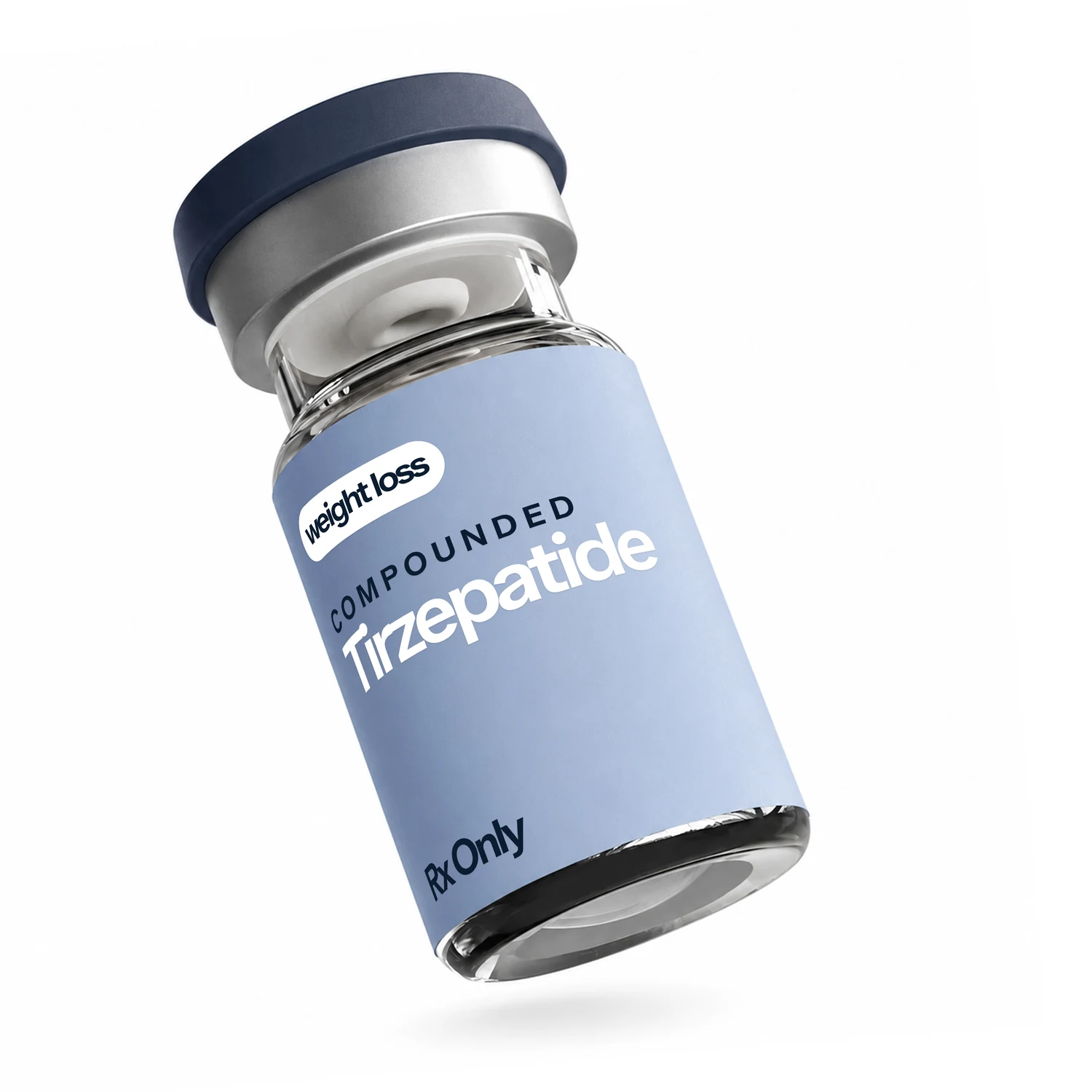
Compounded TirzepatideRx
Weekly GLP-1 + GIP injection.
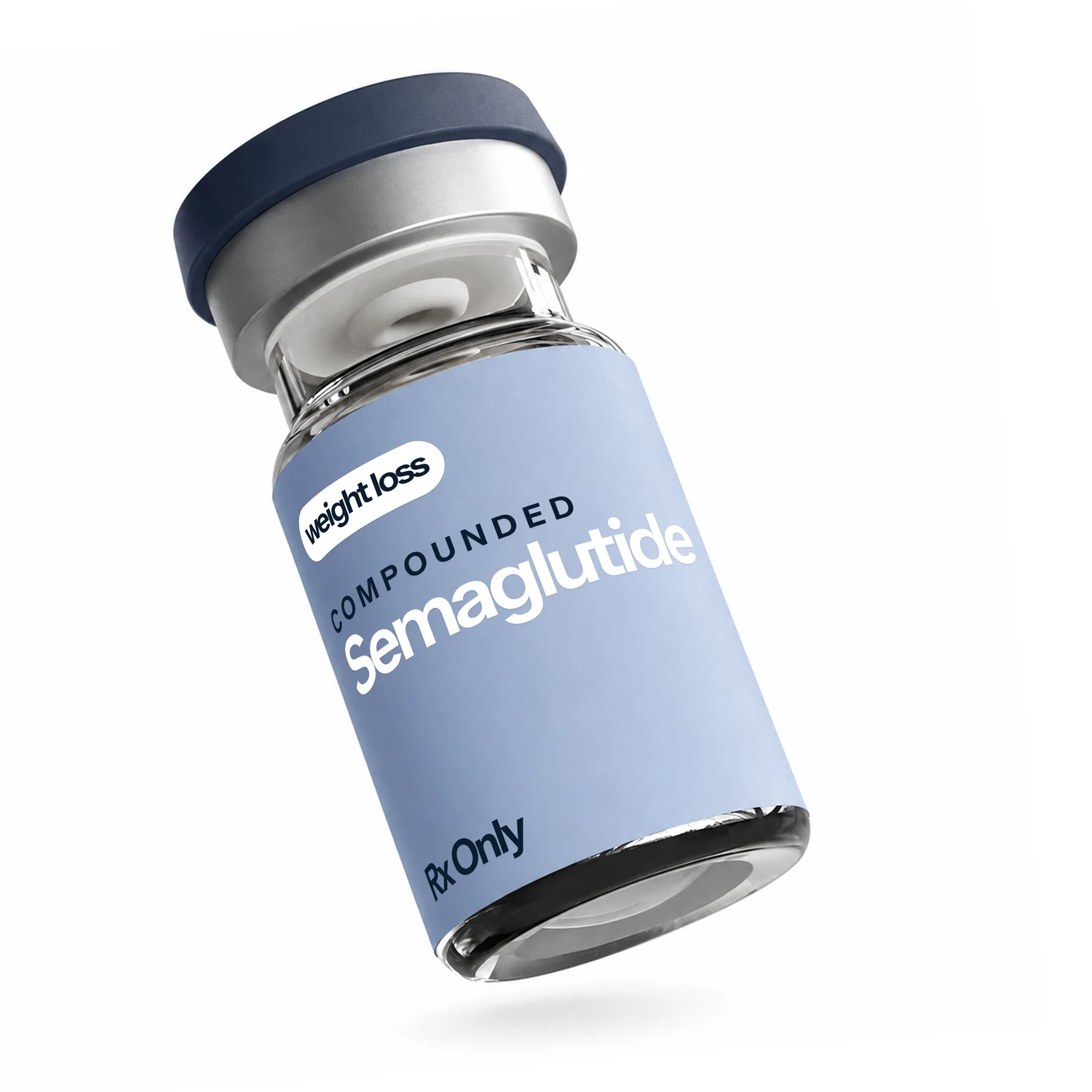
Compounded SemaglutideRx
Weekly GLP-1 injection.

TadalafilRx
Generic Cialis®. Lasts up to 36 hours.

SildenafilRx
Generic Viagra®. Works in 30 minutes.
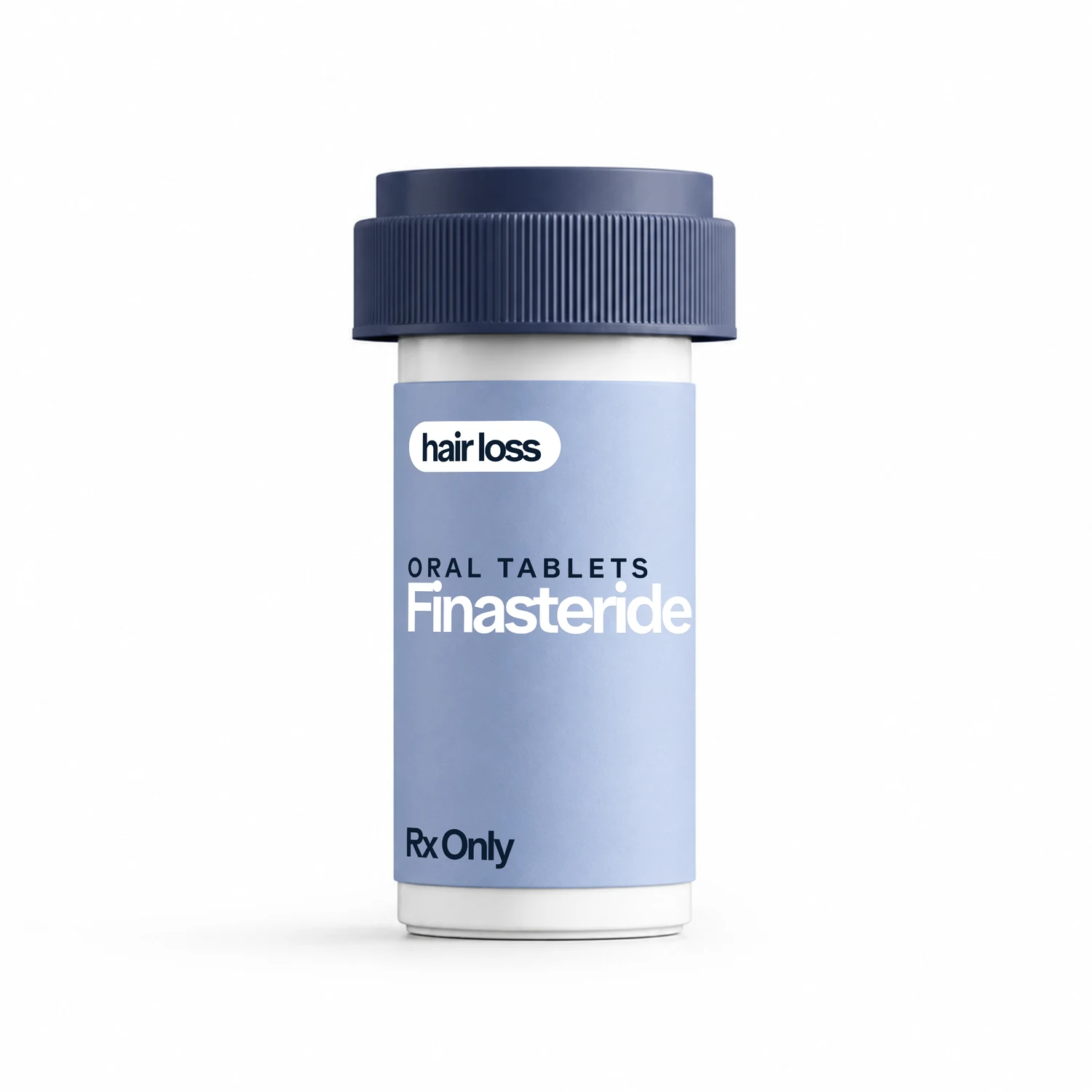
FinasterideRx
Generic Propecia®. Blocks DHT daily.

Hair Regrowth SprayRx
3-in-1 topical: finasteride + minoxidil + tretinoin.
Daily Prayer Practice for Men: Quiet Is Not Weak
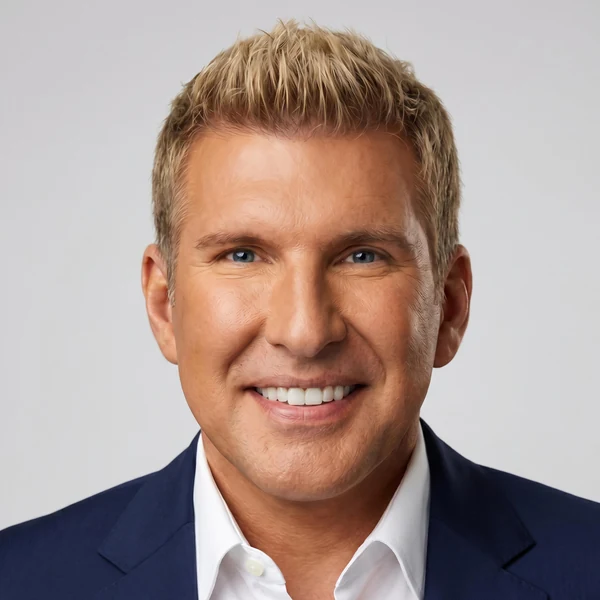
Written by Todd Chrisley
Published May 3, 2026

Key Takeaways
# Daily Prayer Practice for Men: Quiet Is Not Weak
I spent a long time confusing prayer with performance. I thought it had to sound a certain way, look a certain way, and frankly, I thought it was the kind of thing you did in public so people knew you were doing it. That is not prayer. That is theater. And when the theater ended and the real storm came, I was standing on a stage with no audience and no lines, and I had to figure out fast what it meant to actually talk to God.
What I found in that silence changed me more than anything else in my life. And I want to talk to you about it, because I think a lot of men your age are in a version of that same place right now.
The Number Men Will Not Say Out Loud
Here is a fact that should stop you cold. According to the American Foundation for Suicide Prevention, men account for nearly 80% of all suicide deaths in the United States. And according to data tracked by the Movember Foundation, men represent only about 20% of mental health helpline callers. Read that again. Eighty percent of the dying. Twenty percent of the asking for help.
That gap is not a coincidence. That gap is a silence. And that silence is killing men.
I am not telling you this to scare you. I am telling you this because I sat in that silence for years. I am a man who had money, a television show, a family that loved me, and I still had mornings where I could not see the point. I did not tell anyone. I performed confidence for a living. Inside, I was rotting in places nobody could see.
What finally cracked it open for me was not therapy, not medication, not a conversation with a friend. It was sitting still in the dark and deciding to be honest with God. Which meant I had to be honest with myself first.
What a Real Prayer Practice Actually Is
A daily prayer practice is not what most men picture. It is not a list of requests. It is not a performance of gratitude for the benefit of heaven's front row. Contemplative prayer, as it has been practiced across centuries of Christian tradition, is fundamentally an act of attention. You show up. You get quiet. You stop managing the conversation.
The American Psychological Association has documented that regular contemplative and meditative practice is associated with measurable reductions in cortisol, the primary stress hormone, and significant improvements in anxiety outcomes. A 2020 meta-analysis published in JAMA Internal Medicine found that mindfulness meditation programs showed moderate evidence of improving anxiety, depression, and pain in adults. Results may vary.
I am not telling you to meditate. I am telling you that the science caught up to what monks and pastors and plain old men on their knees have known for a thousand years. Stillness is not weakness. Stillness is a discipline.

The reason men skip it is exactly the reason they need it. It feels unproductive. You cannot measure it. Nobody sees it. There is no output. And we have been trained, every one of us, to value ourselves by our output.
I had to unlearn that. Prison helped, because when you have twenty-three hours in a cell you either find something real to hold onto or you fall apart. I chose to find something real. Every morning, before anything else, I sat with God. No agenda. No ask list. Just presence.
What It Did for Me, and What It Can Do for You
I am not saying prayer fixed everything. Grace does not work like a vending machine. What it did was give me a place to put the weight. Every man you know is carrying weight he will not name. Disappointments in his career. Distance in his marriage. Fear about his health. Anger he cannot explain. He carries it because he was taught that carrying it is what men do.
A spiritual practice routine does not remove the weight. It gives you somewhere to set it down for twenty minutes so you can remember you are not the weight.
If you are sitting where I was sitting, performing strength for everyone around you while something quieter is wearing you down from the inside, I want you to hear this plainly: asking for help is not a surrender of your manhood. It is the most disciplined thing you can do. The bravest men I have ever met were the ones willing to be honest in a quiet room.
The Practical Turn: What to Actually Do
Start smaller than you think you need to. Here is what I do, and what I would recommend to any man who has never had a consistent daily prayer practice:
1. Pick a fixed time. Morning is best. Before your phone. Before your email. Before anyone needs anything from you. Fifteen minutes.
2. Sit in the same place. A chair. A corner of a room. Somewhere your body learns to associate with stillness.
3. Start with silence, not words. Two minutes of quiet before you say anything. Let the noise settle.
4. Be honest before you are polished. If you are angry, say that. If you are afraid, say that. God already knows. The point is that you say it, because saying it makes it real to you, and real things can be dealt with.
5. End with one specific gratitude. Not a list. One thing. Something small and true.
6. Do it again tomorrow. That is the whole practice. Repetition is the discipline. Feeling it is not required. Showing up is.

If you are dealing with something heavier than a rough morning, talk to a licensed provider. Not your buddy. Not a podcast. A doctor. The NIH's National Institute of Mental Health maintains a directory of resources for men. Use it.
A Note from Good Guy Rx
Mental wellness and physical health are connected in ways men often don't recognize until something breaks. Good Guy Rx is a technology platform that connects men to independent licensed physicians and independent state-licensed pharmacies for confidential, straightforward care — including support for the physical factors that contribute to mood, energy, and mental clarity. If you have been putting off a conversation with a doctor about how you've been feeling, start with a confidential assessment here. A licensed provider reviews your information and responds directly through your patient portal. No waiting room. No performance required.
There is a version of you that is tired of carrying things alone. That version deserves more than silence. Start with fifteen minutes in a chair before sunrise, and start with honesty. The rest follows.
Take care of what God gave you.
Sources
- Suicide Statistics — American Foundation for Suicide Prevention — https://afsp.org/suicide-statistics/
- Men's Mental Health — Movember Foundation — https://us.movember.com/mens-health/mental-health
- Meditation and Mindfulness — American Psychological Association — https://www.apa.org/topics/mindfulness/meditation
- Meditation Programs for Psychological Stress and Well-being — JAMA Internal Medicine — https://jamanetwork.com/journals/jamainternalmedicine/fullarticle/1809754
- Help for Mental Illness — National Institute of Mental Health — https://www.nimh.nih.gov/health/find-help
References
- [Men's Mental Health — Movember Foundation — https://us.movember.com/mens-health/mental-health](https://us.movember.com/mens-health/mental-health)
- [Meditation and Mindfulness — American Psychological Association — https://www.apa.org/topics/mindfulness/meditation](https://www.apa.org/topics/mindfulness/meditation)
- [Meditation Programs for Psychological Stress and Well-being — JAMA Internal Medicine — https://jamanetwork.com/journals/jamainternalmedicine/fullarticle/1809754](https://jamanetwork.com/journals/jamainternalmedicine/fullarticle/1809754)
- [Help for Mental Illness — National Institute of Mental Health — https://www.nimh.nih.gov/health/find-help](https://www.nimh.nih.gov/health/find-help)
Share this article

Ready to start your journey?
Complete your free online visit and see if GLP-1 treatment is right for you.
Get Started