
Good Guy Rx
Take care of what God gave you.
Get started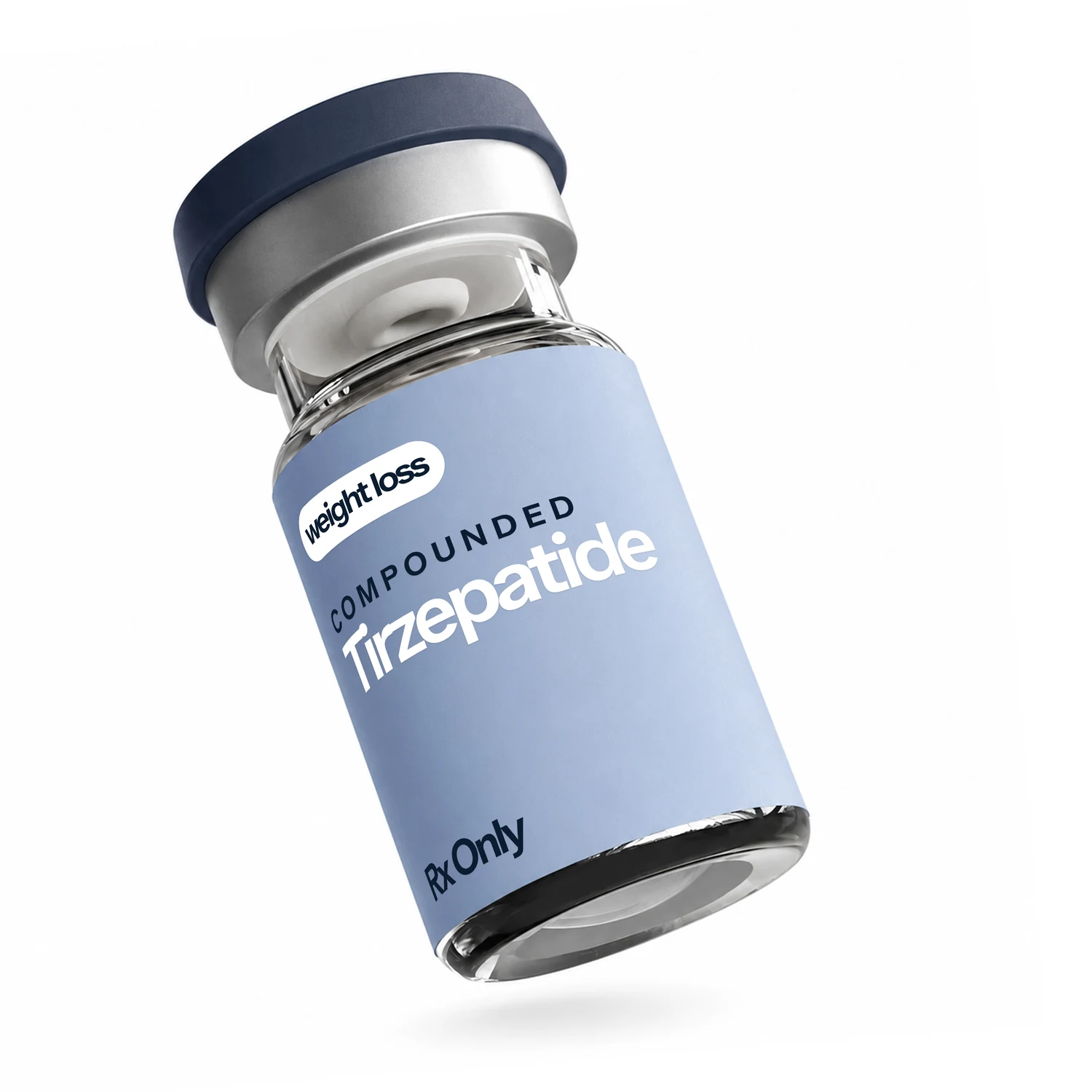
Compounded TirzepatideRx
Weekly GLP-1 + GIP injection.
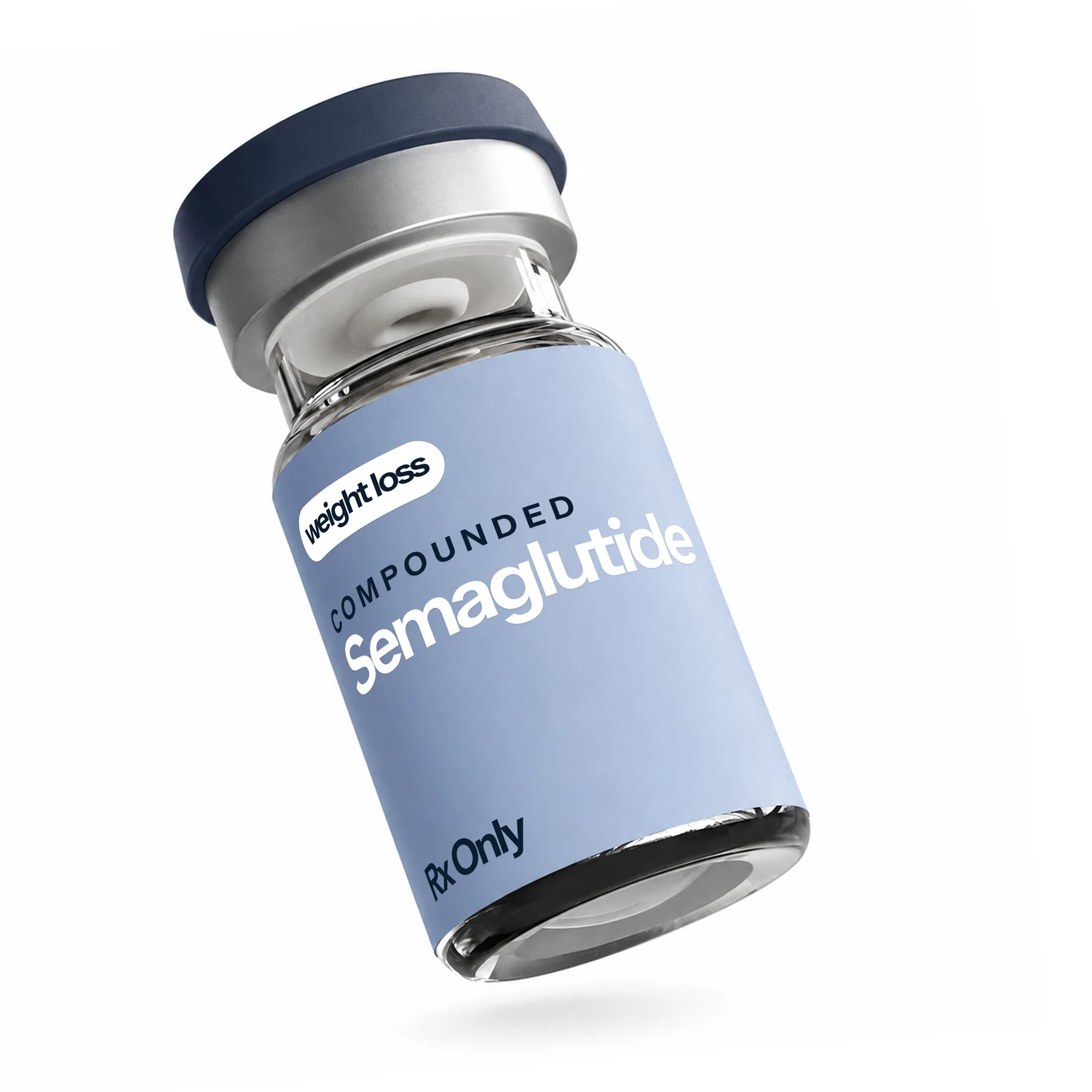
Compounded SemaglutideRx
Weekly GLP-1 injection.
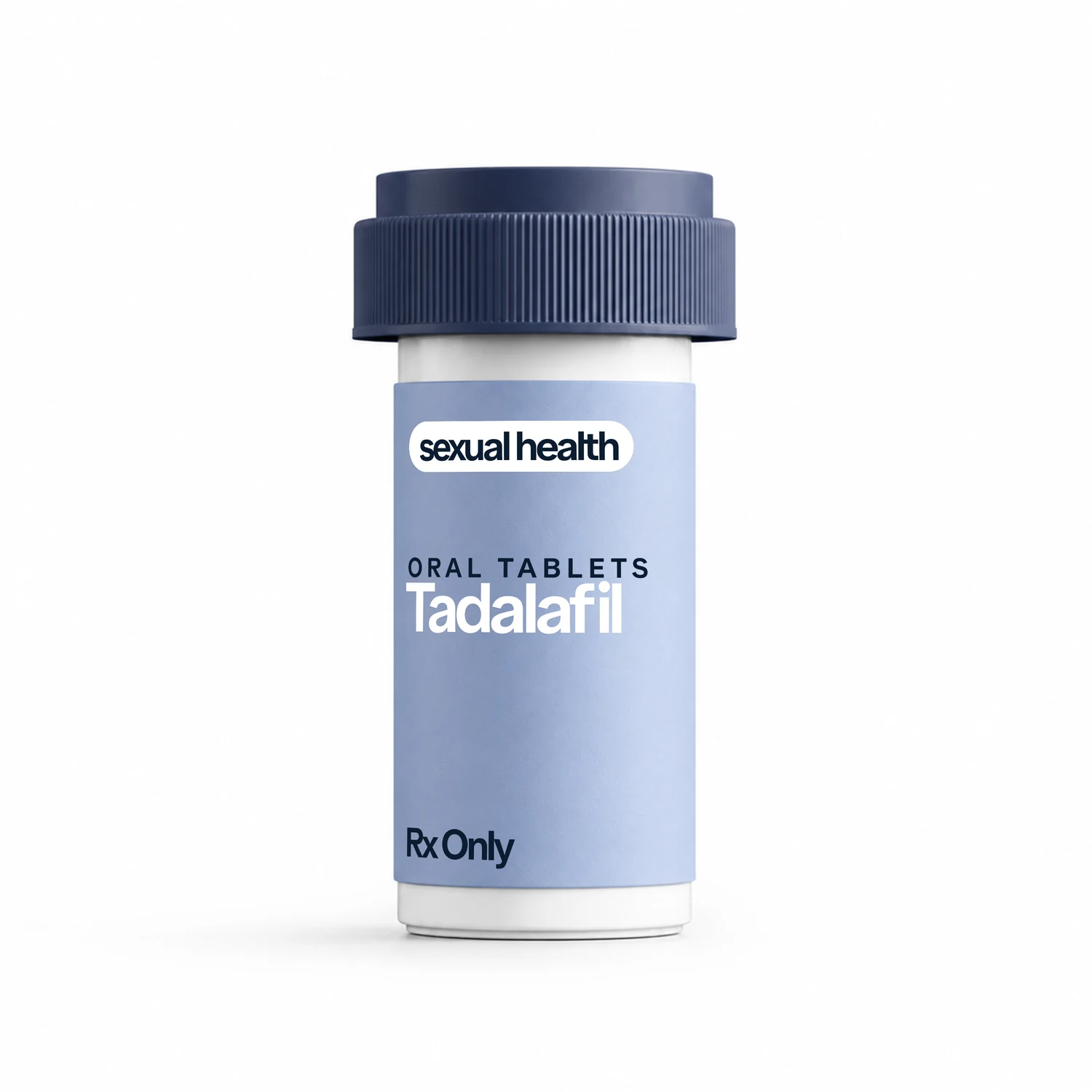
TadalafilRx
Generic Cialis®. Lasts up to 36 hours.
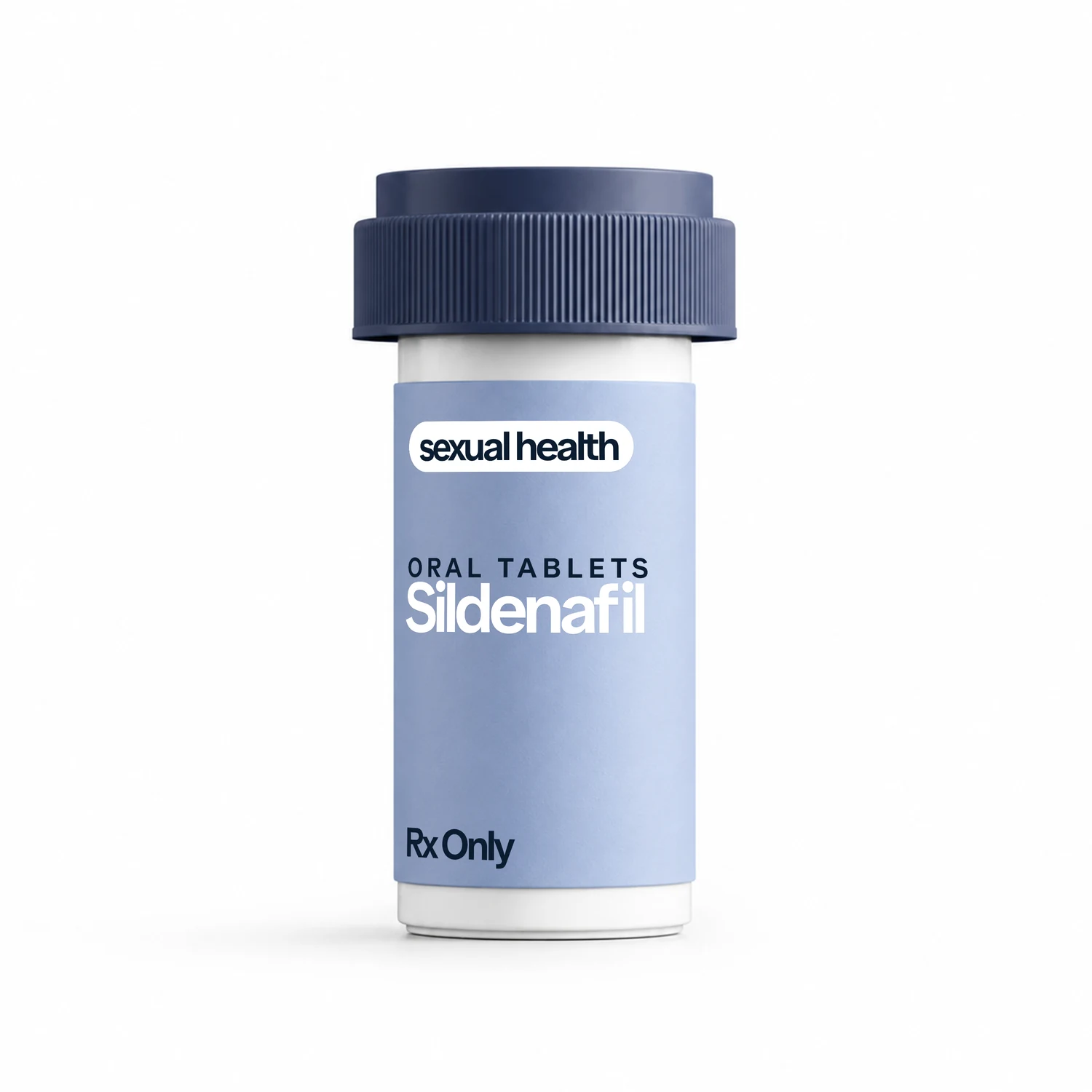
SildenafilRx
Generic Viagra®. Works in 30 minutes.
FinasterideRx
Generic Propecia®. Blocks DHT daily.

Hair Regrowth SprayRx
3-in-1 topical: finasteride + minoxidil + tretinoin.
Microdose GLP-1: Managing Side Effects at Low Doses

Written by James T.
Published June 27, 2026

Key Takeaways
# Microdose GLP-1: A Lower Starting Point for Men Sensitive to Side Effects
For men who want the metabolic benefits of GLP-1 receptor agonists but are concerned about tolerability, a microdosed — or low-dose — starting protocol may reduce early side effects while the body adjusts to the medication.
How GLP-1 Receptor Agonists Work
GLP-1 stands for glucagon-like peptide-1, a hormone your gut naturally releases after eating. It signals the pancreas to produce insulin in response to blood sugar, slows the rate at which food leaves the stomach (gastric emptying), and communicates satiety — the sense of fullness — to the brain.
GLP-1 receptor agonists like semaglutide and tirzepatide mimic or amplify these signals at a pharmacological level. Tirzepatide also acts on GIP (glucose-dependent insulinotropic polypeptide) receptors, a dual mechanism that research published in *Cell Metabolism* has linked to additive effects on appetite regulation and energy balance.
Because these agents slow gastric emptying significantly, the gastrointestinal (GI) system — particularly in the early weeks — can respond with nausea, bloating, or, less commonly, vomiting. That response is dose-dependent: the higher the starting dose, the more pronounced the early GI burden. This is the biological rationale behind microdosing.
The Evidence Base: STEP and SURMOUNT Trials
The two landmark trial programs that defined GLP-1 efficacy also documented the dose-side-effect relationship.
The STEP trials (Semaglutide Treatment Effect in People with obesity) enrolled thousands of adults and evaluated semaglutide at its full therapeutic dose. The STEP 1 trial, published in The New England Journal of Medicine in 2021, reported that nausea was the most common adverse event, occurring in roughly 44% of participants — with the majority of cases classified as mild-to-moderate and concentrated in the titration (dose-escalation) period.
The SURMOUNT trials assessed tirzepatide across escalating doses. SURMOUNT-1, also published in The New England Journal of Medicine (2022), confirmed a similar pattern: GI adverse events were most frequent during early dose escalation and declined substantially once participants reached a stable maintenance dose. Results may vary.
What both trial programs make clear is that the titration schedule itself — how slowly or quickly the dose increases — is a primary lever for tolerability. Standard titration schedules already build in gradual increases. A microdose protocol extends that principle further, starting at a dose well below the standard initiation threshold and increasing even more slowly.

Peer-reviewed research published in *Diabetes Care* has explored slow-titration approaches as a practical strategy for improving adherence in patients who discontinue GLP-1 therapy early due to GI intolerance. Adherence, in turn, is directly tied to outcomes — a medication that is stopped provides no benefit.
Who May and May Not Be a Candidate
Current clinical thinking, informed by the trial data above and guidelines from the American Gastroenterological Association, suggests that a low-dose or microdose GLP-1 starting protocol may be discussed with a licensed provider for men who:
- Have a history of GI sensitivity or prior GLP-1 discontinuation due to nausea
- Are starting GLP-1 therapy for the first time and prefer a conservative on-ramp
- Have a body mass index (BMI) and metabolic profile that a licensed provider judges appropriate for GLP-1 therapy
Current guidelines also identify groups for whom GLP-1 receptor agonists are generally not appropriate, regardless of dose. These include individuals with:
- A personal or family history of medullary thyroid carcinoma (MTC) or Multiple Endocrine Neoplasia syndrome type 2 (MEN 2)
- A history of pancreatitis (inflammation of the pancreas)
- Known hypersensitivity to the active agent or any component of the formulation
- Certain kidney or GI motility conditions — evaluated case by case
A licensed provider determines whether any GLP-1 therapy — at any dose — is appropriate for an individual after a complete medical evaluation. This is not a self-selection decision.
What Men Typically Report During Low-Dose Protocols
Men who begin GLP-1 therapy at reduced starting doses commonly report:
- Milder early nausea compared to anecdotal accounts of standard-dose initiation. Nausea, when it occurs, typically peaks 1–3 hours after injection and often resolves within the first 4–8 weeks as the body acclimates. Results may vary.
- Gradual appetite changes rather than abrupt shifts. Some describe a reduced interest in overeating without a sense of feeling medicated.
- GI adjustment symptoms including constipation or loose stools in the first few weeks. Adequate hydration and dietary fiber intake are commonly recommended to manage this.
Men's Health Month — observed each June with this year's theme "Partners in Care: For Better Lifespans Across the Lifespan" — emphasizes four pillars of men's health: prevention, early detection, treatment adherence, and partnership with care providers. GLP-1 tolerability management speaks directly to the adherence pillar. Discontinuing a medication because of early side effects that might have been managed with a slower titration represents a preventable gap in care.

When to flag a question to a licensed provider:
- Nausea that prevents eating or drinking for more than 24 hours
- Severe abdominal pain (possible signal of pancreatitis — seek care promptly)
- Signs of a serious allergic reaction: swelling, difficulty breathing, rapid heart rate
- Any symptom that feels disproportionate or unexpected
Direct clinical questions to a licensed provider through the patient portal — not to support staff.
The Good Guy Rx Pathway
Good Guy Rx is a technology platform that connects men to independent licensed physicians and independent state-licensed pharmacies. If a microdose GLP-1 protocol is clinically appropriate for you, a licensed provider on the platform makes that determination after reviewing your complete medical intake — including health history, current medications, and relevant labs. Compounded medications, when prescribed, are prepared by state-licensed compounding pharmacies in accordance with FDA regulations and are not FDA-approved products. To start the conversation, complete a weight loss assessment through the patient portal.
Sources
- STEP 1 Trial: Semaglutide in Adults with Obesity — *New England Journal of Medicine*, 2021
- SURMOUNT-1 Trial: Tirzepatide in Adults with Obesity — *New England Journal of Medicine*, 2022
- GLP-1 Receptor Agonists and Adherence — *Diabetes Care*, American Diabetes Association
- GIP and GLP-1 Dual Agonism: Mechanisms — *Cell Metabolism*, Cell Press
- American Gastroenterological Association — GI Considerations in GLP-1 Therapy
- FDA: Information on GLP-1 Receptor Agonists
- Movember Foundation: Men's Health Awareness
This article is for educational purposes only and is not medical advice. The author is not a physician. A licensed provider on Good Guy Rx determines what is appropriate for you after a complete medical intake.
References
- SURMOUNT Trial
- STEP trial
- SURMOUNT trial
- [SURMOUNT-1 Trial: Tirzepatide in Adults with Obesity — *New England Journal of Medicine*, 2022](https://www.nejm.org/doi/10.1056/NEJMoa2206038)
- [GLP-1 Receptor Agonists and Adherence — *Diabetes Care*, American Diabetes Association](https://diabetesjournals.org/care)
- [GIP and GLP-1 Dual Agonism: Mechanisms — *Cell Metabolism*, Cell Press](https://www.cell.com/cell-metabolism/home)
- [American Gastroenterological Association — GI Considerations in GLP-1 Therapy](https://www.gastro.org/)
- [FDA: Information on GLP-1 Receptor Agonists](https://www.fda.gov/drugs)
Share this article

Ready to start your journey?
Complete your free online visit and see if GLP-1 treatment is right for you.
Get Started