
Good Guy Rx
Take care of what God gave you.
Get started
Compounded TirzepatideRx
Weekly GLP-1 + GIP injection.
Compounded SemaglutideRx
Weekly GLP-1 injection.
TadalafilRx
Generic Cialis®. Lasts up to 36 hours.
SildenafilRx
Generic Viagra®. Works in 30 minutes.
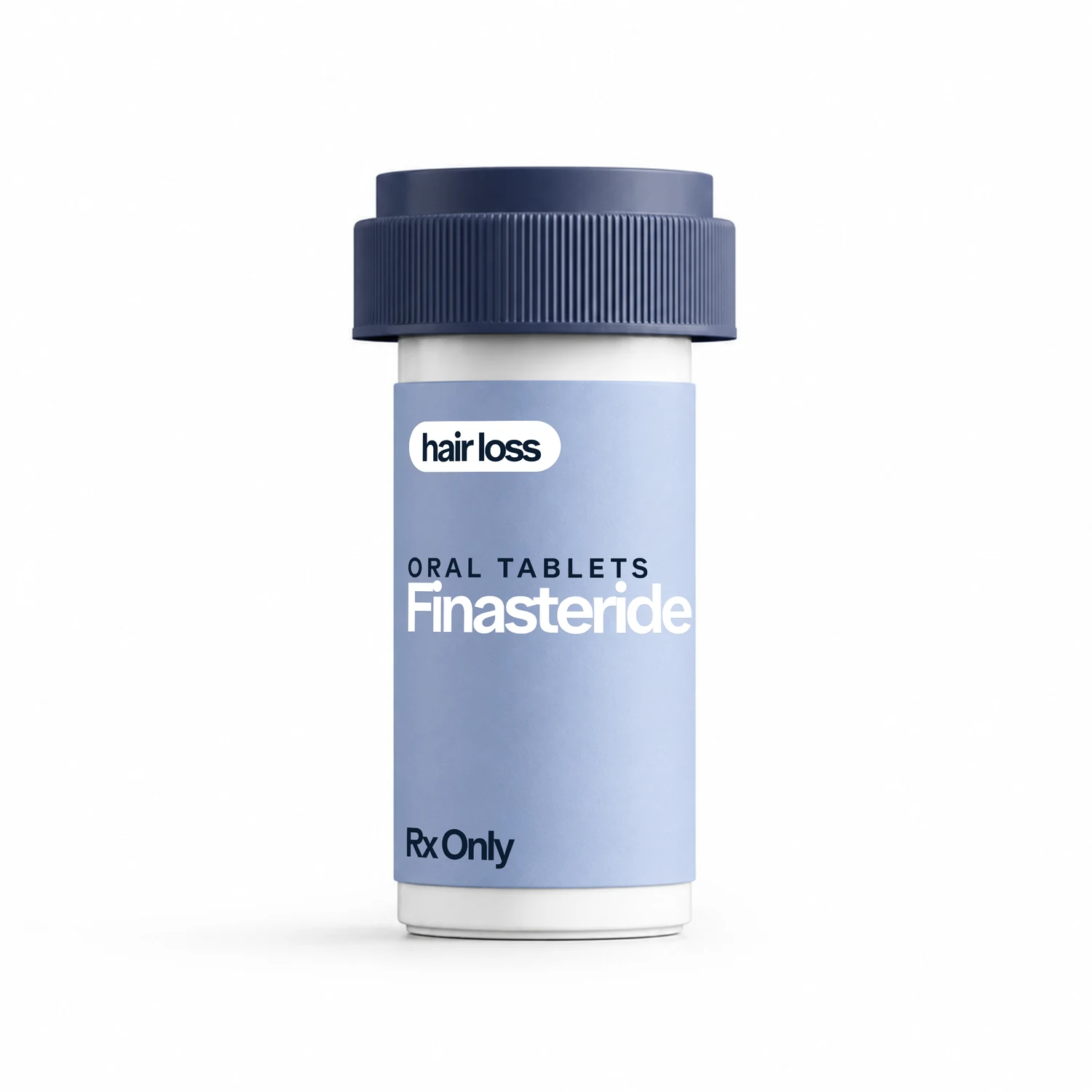
FinasterideRx
Generic Propecia®. Blocks DHT daily.

Hair Regrowth SprayRx
3-in-1 topical: finasteride + minoxidil + tretinoin.
Semaglutide ODT vs Injection: The Needle-Free Option

Written by Marcus W.
Published June 26, 2026

Key Takeaways
Semaglutide is available in more than one delivery format, and understanding the clinical differences between an orally dissolving tablet (ODT) and a subcutaneous injection matters if you are exploring needle-free GLP-1 options with a licensed provider.
Men's Health Month: A Note Before We Begin
June is Men's Health Month, and the 2026 theme — "Partners in Care: For Better Lifespans Across the Lifespan" — anchors around four pillars: prevention, early detection, treatment access, and sustained support. Weight management sits squarely within all four. Carrying excess visceral fat (fat stored around the internal organs) raises documented risk for cardiovascular disease, type 2 diabetes, sleep apnea, and low testosterone — conditions that disproportionately go unaddressed in men aged 45–70. If you have been putting off a conversation with a licensed provider about your metabolic health, Men's Health Month is a reasonable prompt to stop waiting.
What Is Semaglutide, and How Does It Work?
Semaglutide is a glucagon-like peptide-1 (GLP-1) receptor agonist — a class of compounds that mimic the naturally occurring GLP-1 hormone your gut releases after eating. GLP-1 receptors are found throughout the body, including the pancreas, the gastrointestinal tract, and the brain's appetite-regulation centers.
When semaglutide binds to those receptors, it does three primary things, according to research published in *Diabetes Care*:
- Stimulates glucose-dependent insulin secretion — the pancreas releases insulin in response to rising blood sugar, but only when blood sugar is actually elevated, which reduces hypoglycemia (dangerously low blood sugar) risk.
- Suppresses glucagon — glucagon is the hormone that tells the liver to release stored glucose; suppressing it helps stabilize blood sugar between meals.
- Slows gastric emptying and reduces appetite — food moves through the stomach more slowly, and central nervous system signaling reduces hunger and caloric intake.
The net result is a sustained caloric deficit achieved not through willpower alone but through altered hormonal signaling. Results may vary depending on the individual.
The Delivery Formats: Injection vs. ODT
Subcutaneous Injection
The injectable form of semaglutide (subcutaneous means the injection goes into the fatty tissue just beneath the skin, not a vein or muscle) delivers the drug directly into systemic circulation. Because it bypasses the gut entirely, bioavailability — the proportion of the drug that reaches the bloodstream — is high and predictable.

The STEP (Semaglutide Treatment Effect in People with Obesity) clinical trial program, published across multiple phases in the *New England Journal of Medicine*, evaluated once-weekly subcutaneous semaglutide 2.4 mg in adults with a body mass index (BMI) of 30 or greater, or 27 or greater with at least one weight-related comorbidity. The STEP 1 trial enrolled 1,961 adults without diabetes. After 68 weeks, the injectable semaglutide group achieved statistically significant reductions in body weight compared with placebo. Results may vary.
Oral Dissolving Tablet (ODT) / Sublingual Semaglutide
The orally dissolving or sublingual (dissolved under or against the oral mucosa rather than swallowed whole) format is a compounded delivery approach prepared by state-licensed compounding pharmacies in accordance with FDA regulations. It is not FDA-approved — no compounded medication is — but it is prepared under applicable pharmacy regulations.
The absorption mechanism here differs fundamentally from the FDA-approved oral semaglutide tablet (Rybelsus), which requires swallowing with a small amount of water on an empty stomach and has a documented oral bioavailability of approximately 1% without absorption enhancers, according to FDA prescribing information for Rybelsus. Sublingual and buccal (cheek) mucosal routes attempt to improve on that figure by delivering drug through the highly vascularized tissues of the mouth rather than through the gastrointestinal tract. Peer-reviewed research on this specific compounded format remains limited compared to the robust STEP trial dataset for injectable semaglutide. What remains less clear is the long-term bioavailability consistency of compounded ODT formats across individuals — an honest gap in the current literature that a licensed provider should discuss with you.
Who Is — and Is Not — Generally Considered a Candidate?
Current guidelines from the American Gastroenterological Association and clinical consensus suggest GLP-1 receptor agonists for weight management are typically considered for adults with:
- A BMI ≥ 30, or
- A BMI ≥ 27 with at least one weight-related condition (e.g., hypertension, dyslipidemia, obstructive sleep apnea, type 2 diabetes)
Populations for whom GLP-1 therapy is generally not recommended include individuals with a personal or family history of medullary thyroid carcinoma (a specific type of thyroid cancer) or Multiple Endocrine Neoplasia syndrome type 2 (MEN2), a history of pancreatitis (inflammation of the pancreas), active gastroparesis (delayed stomach emptying as a medical condition), or known hypersensitivity to semaglutide. Pregnancy and breastfeeding are also standard exclusions. This list is not exhaustive. A licensed provider determines whether any GLP-1 medication — in any format — is appropriate for an individual after a complete medical evaluation through the patient portal.
What People on Treatment Typically Report
Across STEP trial data and post-market surveillance:

- Onset of appetite effects is generally reported within the first two to four weeks, though meaningful weight changes typically accumulate over months, not days. Results may vary.
- Most common side effects are gastrointestinal: nausea, constipation, diarrhea, and — less commonly — vomiting. These are most frequent during dose escalation (the gradual increase in dose over weeks to months to improve tolerability).
- Injection-site reactions (redness, mild bruising) are specific to the subcutaneous format; ODT users report no injection-site issues but may experience mild oral mucosal sensitivity.
- When to flag a concern to your licensed provider: persistent vomiting, severe abdominal pain, significant mood changes, visual disturbances, or any symptom that feels acute. Do not contact support staff for clinical questions — use the patient portal to reach a licensed provider directly.
The Good Guy Rx Pathway
Good Guy Rx is a technology platform that connects you to independent licensed physicians and independent state-licensed compounding pharmacies. If you are curious whether semaglutide — in any clinically appropriate format — fits your situation, a licensed provider on the platform reviews your complete medical intake, evaluates contraindications, and makes an individualized determination. No format is assumed to be right for everyone. Start your weight-loss assessment here and let a licensed provider guide the conversation.
Sources
- STEP 1 Trial — Wilding et al., 2021 — *New England Journal of Medicine*
- Semaglutide Mechanism of Action — *Diabetes Care*, American Diabetes Association
- FDA Prescribing Information: Rybelsus (oral semaglutide) — U.S. Food & Drug Administration
- American Gastroenterological Association Clinical Practice Guideline on Pharmacological Interventions for Adults with Obesity — *Gastroenterology*, 202200612-4/fulltext)
- Visceral Adiposity and Cardiometabolic Risk in Men — *Journal of Clinical Endocrinology and Metabolism*
- Men's Health Month — Movember Foundation
- GLP-1 Receptor Agonists: Mechanisms and Clinical Use — *Cell Metabolism*
This article is for educational purposes only and is not medical advice. The author is not a physician. A licensed provider on Good Guy Rx determines what is appropriate for you after a complete medical intake.
References
- STEP trial
- [Semaglutide Mechanism of Action — *Diabetes Care*, American Diabetes Association](https://diabetesjournals.org/care)
- [FDA Prescribing Information: Rybelsus (oral semaglutide) — U.S. Food & Drug Administration](https://www.accessdata.fda.gov/drugsatfda_docs/label/2019/213051s000lbl.pdf)
- [American Gastroenterological Association Clinical Practice Guideline on Pharmacological Interventions for Adults with Obesity — *Gastroenterology*, 2022](https://www.gastrojournal.org/article/S0016-5085(22)00612-4/fulltext)
- [Visceral Adiposity and Cardiometabolic Risk in Men — *Journal of Clinical Endocrinology and Metabolism*](https://academic.oup.com/jcem)
- [Men's Health Month — Movember Foundation](https://us.movember.com/)
- [GLP-1 Receptor Agonists: Mechanisms and Clinical Use — *Cell Metabolism*](https://www.cell.com/cell-metabolism/home)
- This article is for educational purposes only and is not medical advice. The author is not a physician. A licensed provider on Good Guy Rx determines what is appropriate for you after a complete medical intake.*
Share this article

Ready to start your journey?
Complete your free online visit and see if GLP-1 treatment is right for you.
Get Started