Good Guy Rx
Take care of what God gave you.
Get started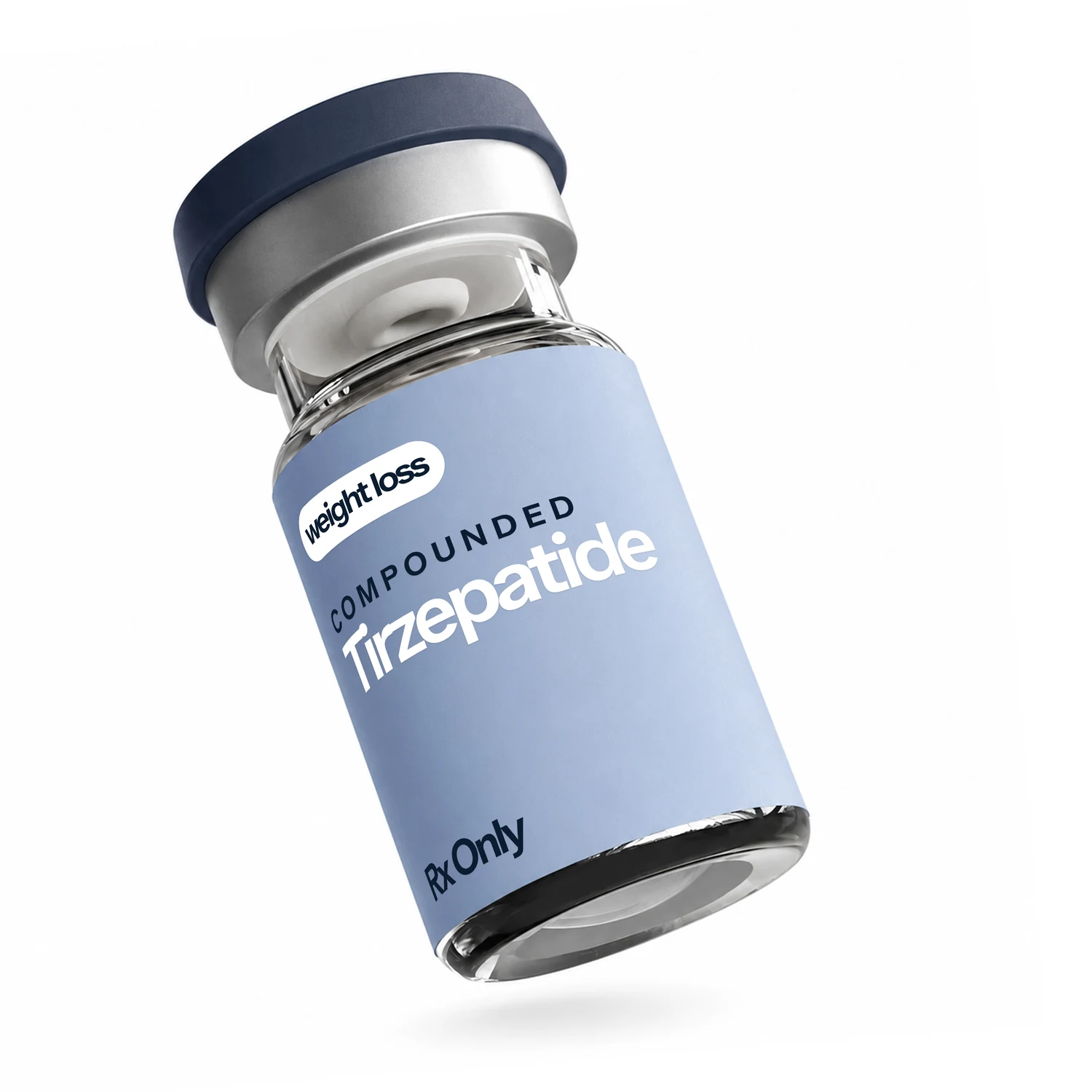
Compounded TirzepatideRx
Weekly GLP-1 + GIP injection.
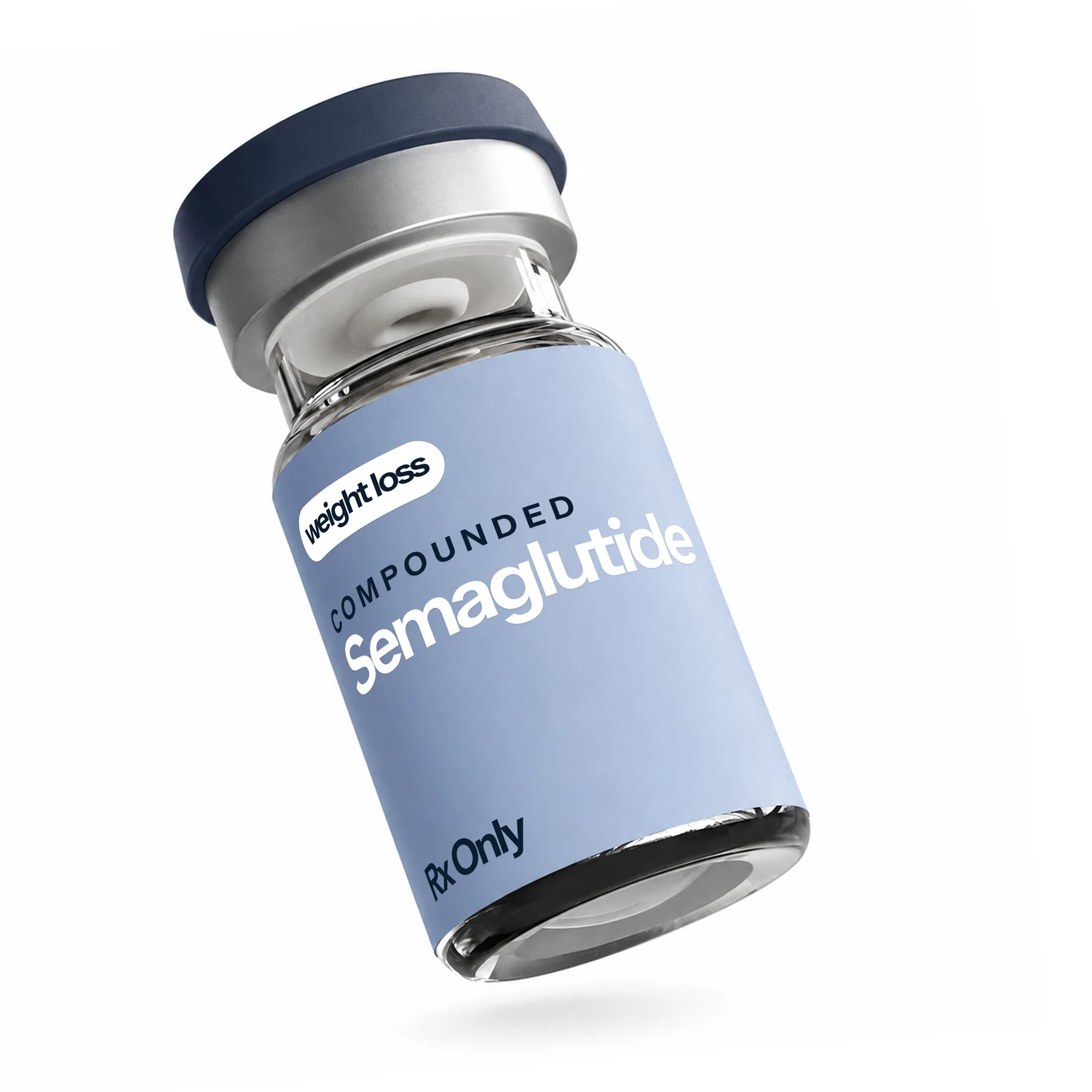
Compounded SemaglutideRx
Weekly GLP-1 injection.
TadalafilRx
Generic Cialis®. Lasts up to 36 hours.
SildenafilRx
Generic Viagra®. Works in 30 minutes.
FinasterideRx
Generic Propecia®. Blocks DHT daily.
Hair Regrowth SprayRx
3-in-1 topical: finasteride + minoxidil + tretinoin.
Oral Minoxidil for Men: What the Evidence Shows

Written by James T.
Published May 4, 2026

Key Takeaways
# Oral Minoxidil for Men: What the Evidence Shows
Low-dose oral minoxidil is an off-label treatment for androgenetic alopecia that has demonstrated meaningful hair-density improvements in multiple clinical studies, with a side-effect profile that differs substantially from topical formulations.
What Is Oral Minoxidil, and Why Are Men Asking About It?
Androgenetic alopecia (male-pattern hair loss) affects roughly 50% of men by age 50, according to data cited by the American Academy of Dermatology. For decades, the standard non-prescription option has been topical minoxidil — a solution or foam applied directly to the scalp. Oral minoxidil is the same molecule taken by mouth, but at doses far lower than the high-dose tablet originally approved by the FDA to treat severe hypertension (high blood pressure). At the hair-loss doses used off-label — typically 0.625 mg to 2.5 mg daily — the drug is not FDA-approved for this indication. That classification matters: off-label means a licensed physician is prescribing an existing, FDA-approved drug for a purpose or dose not listed on its original label. This is a routine, legal, and clinically accepted practice.
Mechanism of Action
Minoxidil is a potassium-channel opener. In blood vessels, it causes smooth muscle relaxation, which is why it was first used for hypertension. In hair follicles, the active metabolite minoxidil sulfate — produced after the drug is converted by an enzyme called sulfotransferase — prolongs the anagen phase (the active growth phase of the hair cycle), widens follicle diameter, and may increase blood flow to the scalp. Oral delivery bypasses the variable scalp absorption of topical products and ensures systemic distribution, which may explain why some patients respond to oral minoxidil after a limited response to the topical form.
The Evidence Base
The most cited clinical reference is a 2020 systematic review and meta-analysis published in the *Journal of the American Academy of Dermatology*, lead-authored by Dr. Rodney Sinclair, which pooled data from studies of low-dose oral minoxidil (0.25 mg – 5 mg daily) and reported statistically significant improvements in hair density and patient-reported satisfaction across multiple hair-loss conditions, including androgenetic alopecia. Results may vary.
A 2021 randomized controlled trial published in *JAMA Dermatology* (Randolph & Tosti) directly compared 5% topical minoxidil twice daily to 0.5 mg oral minoxidil once daily over 24 weeks. Both groups showed comparable hair-count improvement; the oral group reported higher treatment adherence and lower rates of scalp irritation. Results may vary.
Peer-reviewed research further suggests that patients who are poor sulfotransferase metabolizers — estimated at 30–40% of the population — may respond better to oral than topical administration because the enzymatic conversion occurs systemically rather than relying on scalp enzyme activity.
We don't yet know the optimal dose for long-term use in all populations, nor do we have robust data beyond 24–48 weeks for low-dose oral regimens.

Who May Be a Candidate — and Who Is Not
Potentially appropriate candidates include men with confirmed androgenetic alopecia who have had an insufficient response to topical minoxidil, men who find topical application impractical, and men without significant cardiovascular comorbidities.
Absolute or relative contraindications include:
- Pheochromocytoma (an adrenal gland tumor that secretes adrenaline — oral minoxidil can trigger hypertensive crisis)
- Significant cardiovascular disease, including recent myocardial infarction, heart failure, or unstable angina
- Baseline hypotension (low resting blood pressure), where even small vasodilatory effects may be clinically significant
- Concurrent use of other antihypertensive medications without cardiology review
- Allergy to minoxidil
- Men who have not had a blood-pressure measurement within a clinically reasonable timeframe
The prescribing provider determines whether oral minoxidil is appropriate after a thorough medical intake, including cardiovascular screening.
What to Expect on Treatment
Timeline: Hair loss medicines require patience. Most clinical trials measure outcomes at 16–24 weeks; visible density improvement typically begins between months three and six. Shedding during the first 4–8 weeks is common and represents a normal follicle-cycle shift — it is not treatment failure. Results may vary.
Common side effects of low-dose oral minoxidil include:
- Hypertrichosis — unwanted hair growth on the face, arms, or body (reported in 10–15% of patients in clinical studies; dose-dependent)
- Fluid retention / edema, particularly around the ankles, especially at doses above 2.5 mg
- Mild headache or lightheadedness, most often in the first 1–2 weeks
- Palpitations (awareness of heartbeat) — typically transient
When to contact your provider immediately: chest pain, significant leg swelling, rapid or irregular heartbeat, or a sustained drop in blood pressure. Direct all medical questions to your licensed provider through the patient portal — not to support staff.
Baseline and periodic blood pressure monitoring is standard practice during oral minoxidil therapy.
A Note on Men's Health This Month
May is Mental Health Awareness Month. Men account for approximately 80% of suicide deaths yet represent only about 20% of crisis-line callers, according to data from the American Foundation for Suicide Prevention (AFSP) and the Movember Foundation. The gap between suffering and help-seeking is significant and well-documented.

Hair loss may seem unrelated, but the *American Journal of Men's Health* has published research linking visible alopecia to measurable declines in self-confidence and increased depressive symptoms in men. Seeking clinical support for a medical concern — whether hair loss or mental health — is not a sign of weakness. It is a clinical decision with evidence behind it.
If you or someone you know is in crisis, contact the 988 Suicide and Crisis Lifeline by calling or texting 988.
The Good Guy Rx Pathway
Good Guy Rx is a technology platform that connects men to independent licensed physicians and independent state-licensed pharmacies. If you are interested in discussing oral minoxidil as an option for hair loss, a medical intake completed through the platform allows a prescribing provider to review your cardiovascular history, current medications, and degree of alopecia before determining candidacy. For men who prefer a topical route or who are not candidates for the oral form, topical minoxidil is also available through a similar clinical intake process. Compounded formulations are prepared by state-licensed compounding pharmacies in accordance with FDA regulations and are not FDA-approved.
Sources
- Sinclair R, et al. "Low-dose minoxidil for hair loss: a systematic review." — Journal of the American Academy of Dermatology, 2020 — https://www.jaad.org/
- Randolph M, Tosti A. "Oral minoxidil treatment for hair loss: a review of efficacy and safety." — JAMA Dermatology, 2021 — https://jamanetwork.com/journals/jamadermatology
- American Academy of Dermatology — Hair Loss Resource — https://www.aad.org/public/diseases/hair-loss/types/alopecia
- FDA — Minoxidil Drug Information — https://www.fda.gov/
- American Foundation for Suicide Prevention — Suicide Statistics — https://afsp.org/suicide-statistics/
- Movember Foundation — Men and Mental Health — https://movember.com/mens-health/mental-health
- American Journal of Men's Health — Alopecia and Psychological Impact — https://journals.sagepub.com/home/jmh
- 988 Suicide and Crisis Lifeline — https://988lifeline.org/
This article is educational. A licensed provider determines whether you are a candidate after a medical intake.
References
- [Randolph M, Tosti A. "Oral minoxidil treatment for hair loss: a review of efficacy and safety." — JAMA Dermatology, 2021 — https://jamanetwork.com/journals/jamadermatology](https://jamanetwork.com/journals/jamadermatology)
- [American Academy of Dermatology — Hair Loss Resource — https://www.aad.org/public/diseases/hair-loss/types/alopecia](https://www.aad.org/public/diseases/hair-loss/types/alopecia)
- [FDA — Minoxidil Drug Information — https://www.fda.gov/](https://www.fda.gov/)
- [American Foundation for Suicide Prevention — Suicide Statistics — https://afsp.org/suicide-statistics/](https://afsp.org/suicide-statistics/)
- [Movember Foundation — Men and Mental Health — https://movember.com/mens-health/mental-health](https://movember.com/mens-health/mental-health)
- [American Journal of Men's Health — Alopecia and Psychological Impact — https://journals.sagepub.com/home/jmh](https://journals.sagepub.com/home/jmh)
- [988 Suicide and Crisis Lifeline — https://988lifeline.org/](https://988lifeline.org/)
- This article is educational. A licensed provider determines whether you are a candidate after a medical intake.*
Share this article

Ready to start your journey?
Complete your free online visit and see if GLP-1 treatment is right for you.
Get Started