
Good Guy Rx
Take care of what God gave you.
Get started
Compounded TirzepatideRx
Weekly GLP-1 + GIP injection.
Compounded SemaglutideRx
Weekly GLP-1 injection.
TadalafilRx
Generic Cialis®. Lasts up to 36 hours.
SildenafilRx
Generic Viagra®. Works in 30 minutes.
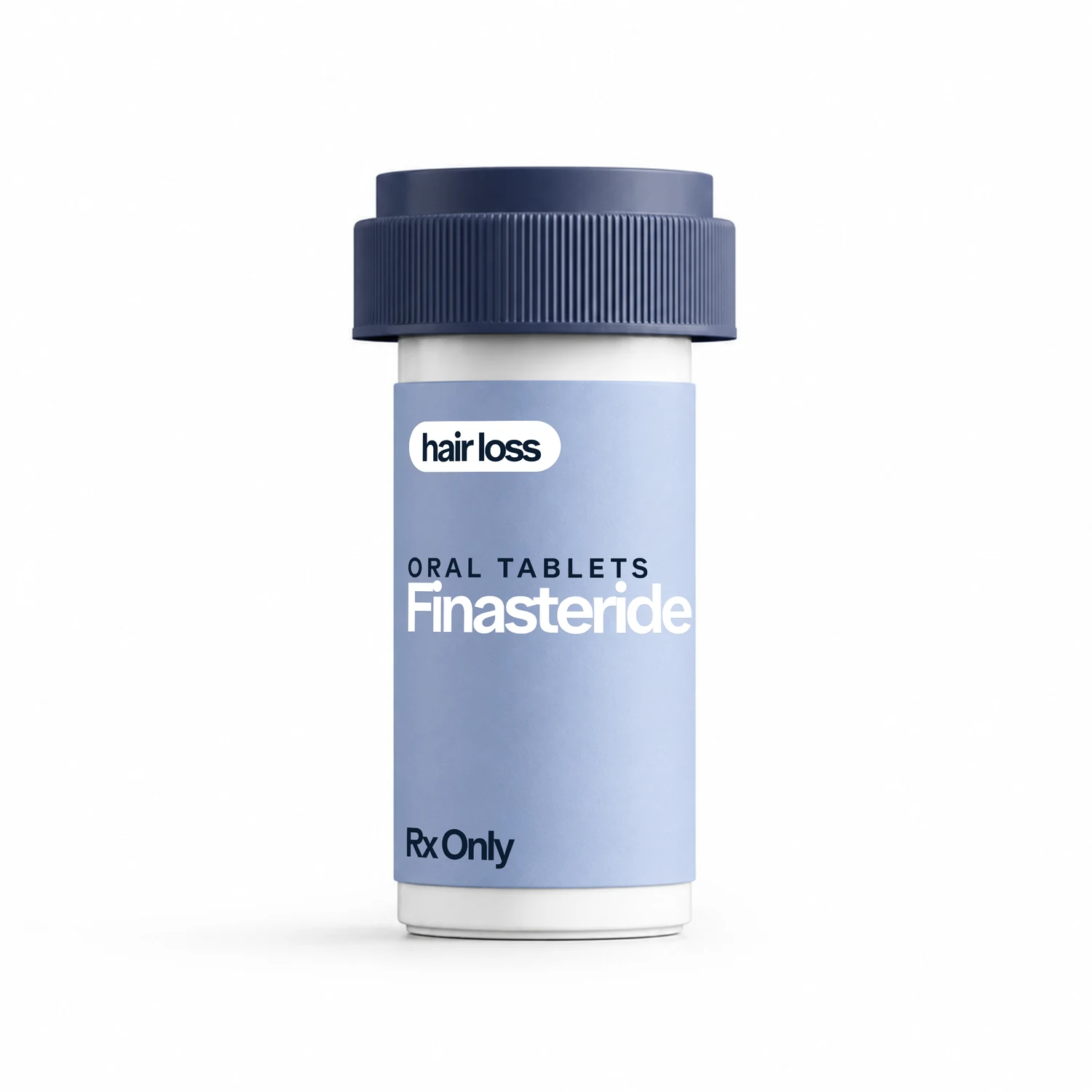
FinasterideRx
Generic Propecia®. Blocks DHT daily.
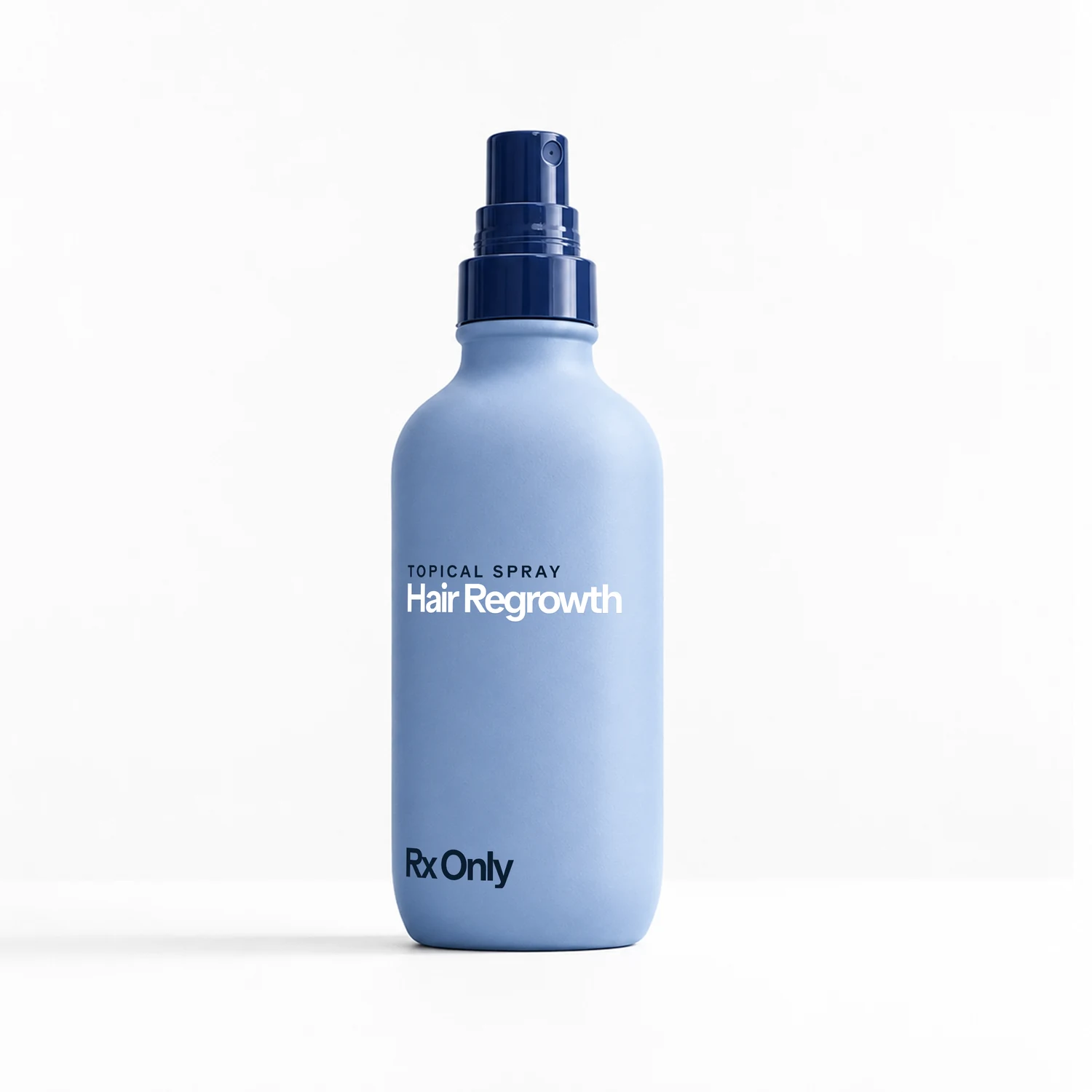
Hair Regrowth SprayRx
3-in-1 topical: finasteride + minoxidil + tretinoin.
Microneedling + Minoxidil: What the Trials Show

Written by James T.
Published May 7, 2026

Key Takeaways
Clinical summary: Controlled trials suggest that combining microneedling with topical minoxidil produces greater hair-count gains in men with androgenetic alopecia than minoxidil alone — but patient selection, technique, and realistic expectations matter.
How Each Therapy Works
Minoxidil is a vasodilator — a drug that widens blood vessels — originally developed for high blood pressure and later found to prolong the anagen (active growth) phase of the hair cycle and increase follicular size. Applied topically, it is absorbed through the scalp to act locally on hair follicles.
Microneedling — also called percutaneous collagen induction — uses a roller or stamp device studded with fine needles (typically 0.5 mm–1.5 mm in length) to create controlled micro-injuries in the scalp. Those micro-injuries trigger a wound-healing cascade that releases platelet-derived growth factor (PDGF), vascular endothelial growth factor (VEGF), and Wnt pathway activators, all of which are believed to stimulate dormant follicles and promote hair-cycle re-entry.
The rationale for combining them: microneedling's micro-channels transiently increase percutaneous absorption of minoxidil, while the growth-factor release adds a parallel biological signal to the follicle.
The Evidence Base
The most-cited head-to-head trial was published in the Journal of Clinical and Aesthetic Dermatology (Dhurat et al., 2013). In this randomized controlled trial, 100 men with androgenetic alopecia (AGA — the most common pattern of male hair loss, driven by dihydrotestosterone or DHT) were assigned to either weekly microneedling plus twice-daily 5% minoxidil, or twice-daily 5% minoxidil alone. After 12 weeks, the microneedling group showed a mean hair-count increase of approximately 91.4 hairs per cm² versus 22.2 hairs per cm² in the minoxidil-only group — a statistically significant difference. Results may vary.
A follow-up randomized study published in Dermatologic Surgery (Faghihi et al., 2018) compared 1.5 mm dermaroller plus minoxidil against minoxidil alone in men with AGA over 24 weeks and similarly reported superior hair-density gains in the combination arm. Results may vary.
A 2021 systematic review in the Journal of the American Academy of Dermatology (Saini & Mysore) assessed multiple microneedling-for-hair-loss trials and concluded that the evidence, while still emerging, supports adjunctive microneedling as a well-tolerated option in AGA management — particularly when combined with established pharmacologic therapy. The authors called for larger, longer-duration randomized controlled trials before definitive clinical guidelines can be issued. We don't yet know the optimal needle depth, session frequency, or long-term safety profile with certainty.

Who Is — and Is Not — a Candidate
Potentially appropriate candidates: - Men with mild-to-moderate AGA (Norwood Scale I–IV) who have not responded sufficiently to minoxidil alone - Men already on a stable minoxidil regimen seeking adjunctive support - Men without active scalp conditions at the treatment site
Contraindications and cautions — the prescribing provider will screen for these: - Active scalp infections, psoriasis, seborrheic dermatitis flares, or open wounds at the treatment area - History of keloid (excessive scar) formation — microneedling creates injury and carries scarring risk in susceptible individuals - Current use of systemic anticoagulants (blood thinners) — increased bleeding risk - Immunosuppressed patients — impaired wound healing - Minoxidil is contraindicated in patients with known hypersensitivity to the drug and should be used cautiously in anyone with significant cardiovascular disease; topical absorption is lower than oral, but systemic effects are possible
What to Expect on Treatment
Timeline: Most trials ran 12–24 weeks before meaningful hair-count differences were measurable. Visible changes to texture and coverage typically take 3–6 months. Patience is not optional here — the hair cycle itself is slow.
Session frequency: Trials most commonly used weekly or biweekly microneedling sessions at 0.5 mm–1.5 mm depth. At-home dermaroller or derma stamp devices at 0.25 mm–0.5 mm depths are lower-risk for self-use but produce less channel depth than clinic-grade devices.
Common side effects of microneedling: transient erythema (redness), mild edema (swelling), and pinpoint bleeding at needle sites — typically resolving within 24–48 hours. Infection is uncommon with sterile technique.
Common side effects of topical minoxidil: scalp dryness or irritation, contact dermatitis (in approximately 1–2% of users per the product labeling), and initial telogen effluvium — a temporary increase in shedding in the first 4–8 weeks as follicles cycle. This is expected and usually self-limited.
When to contact your provider promptly: - Persistent or worsening scalp infection signs (warmth, purulent discharge, fever) - Chest pain, rapid heartbeat, or significant fluid retention (rare but reported with minoxidil) - Severe allergic reaction (hives, difficulty breathing)
Direct clinical questions to your licensed provider through the patient portal — not to support staff.

A Note During Mental Health Awareness Month
This month is a fitting time to acknowledge something the data make plain: men account for approximately 80% of suicide deaths in the United States yet represent only about 20% of crisis helpline contacts, according to the American Foundation for Suicide Prevention (AFSP). The gap between suffering and help-seeking in men is not a minor statistical footnote — it is a public health emergency. Hair loss is clinically minor by comparison, but the psychological burden of AGA in men — including documented associations with reduced self-esteem and depression in peer-reviewed literature — is real. If you are struggling beyond the physical, the 988 Suicide and Crisis Lifeline is available 24/7 by call or text. You are not required to be in crisis to use it.
The Good Guy Rx Pathway
Good Guy Rx is a technology platform that connects men to independent licensed physicians and independent state-licensed pharmacies. If you are interested in topical hair-loss therapy, a prescribing provider reviews your medical intake and determines whether topical minoxidil or a compounded topical finasteride + minoxidil combination — prepared by state-licensed compounding pharmacies in accordance with FDA regulations and therefore not FDA-approved — is appropriate for your situation. Microneedling as an adjunct is a separate procedural decision your provider can discuss during your intake.
Sources
- Dhurat R, et al. "A Randomized Evaluator Blinded Study of Effect of Microneedling in Androgenetic Alopecia." Journal of Clinical and Aesthetic Dermatology, 2013
- Faghihi G, et al. "Efficacy of 1.5-mm Dermaroller vs. Minoxidil for Hair Loss." Dermatologic Surgery, 2018
- Saini K, Mysore V. "Role of Microneedling in Hair Loss: A Systematic Review." Journal of the American Academy of Dermatology, 2021
- American Foundation for Suicide Prevention — Suicide Statistics
- 988 Suicide and Crisis Lifeline — SAMHSA
- FDA — Minoxidil Topical Product Information
This article is educational. A licensed provider determines whether you are a candidate after a medical intake.
References
- [Faghihi G, et al. "Efficacy of 1.5-mm Dermaroller vs. Minoxidil for Hair Loss." Dermatologic Surgery, 2018](https://pubmed.ncbi.nlm.nih.gov/30570493/)
- [Saini K, Mysore V. "Role of Microneedling in Hair Loss: A Systematic Review." Journal of the American Academy of Dermatology, 2021](https://pubmed.ncbi.nlm.nih.gov/33279295/)
- [American Foundation for Suicide Prevention — Suicide Statistics](https://afsp.org/suicide-statistics/)
- [988 Suicide and Crisis Lifeline — SAMHSA](https://988lifeline.org/)
- [FDA — Minoxidil Topical Product Information](https://www.fda.gov/drugs)
- This article is educational. A licensed provider determines whether you are a candidate after a medical intake.*
Share this article

Ready to start your journey?
Complete your free online visit and see if GLP-1 treatment is right for you.
Get Started