
Good Guy Rx
Take care of what God gave you.
Get started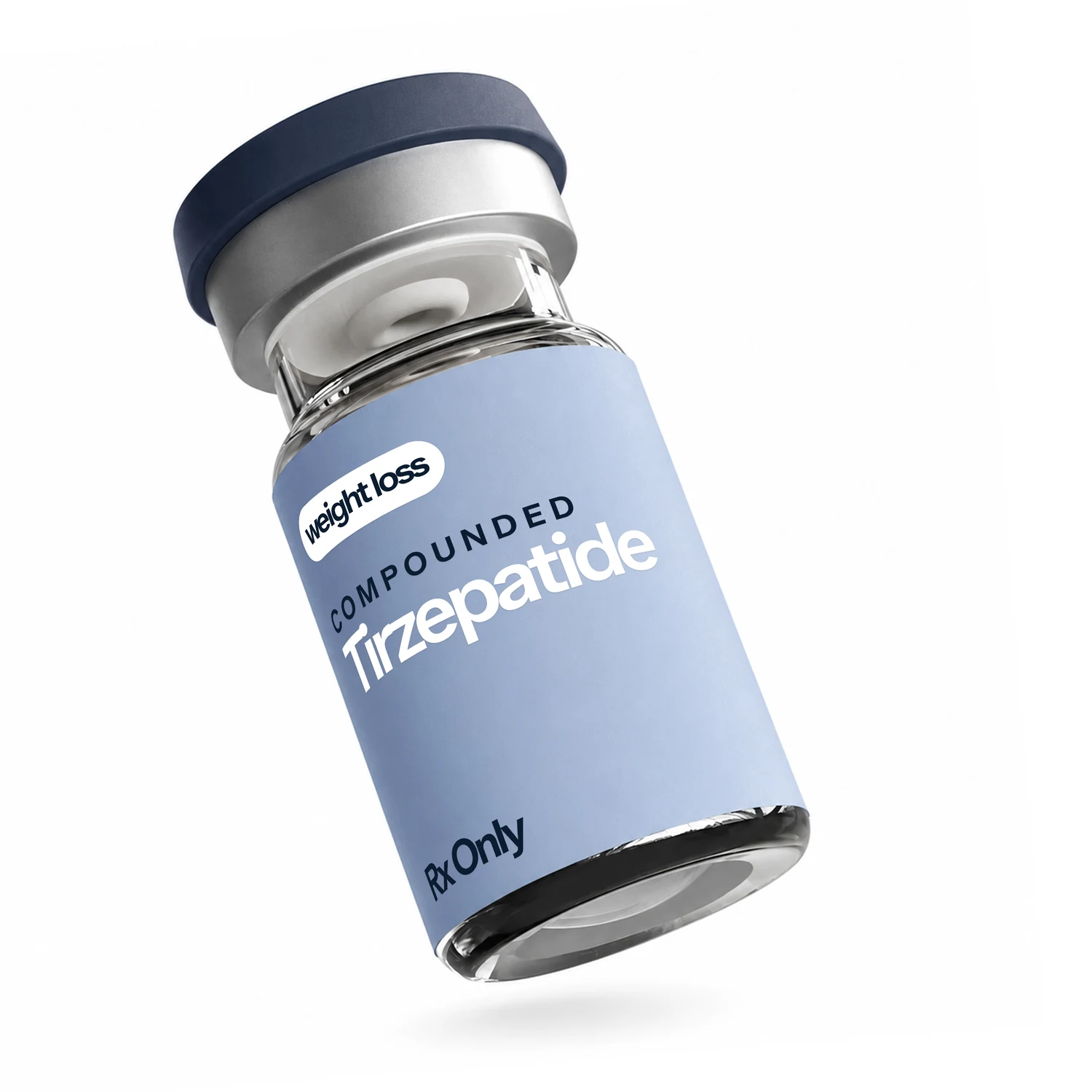
Compounded TirzepatideRx
Weekly GLP-1 + GIP injection.

Compounded SemaglutideRx
Weekly GLP-1 injection.

TadalafilRx
Generic Cialis®. Lasts up to 36 hours.

SildenafilRx
Generic Viagra®. Works in 30 minutes.
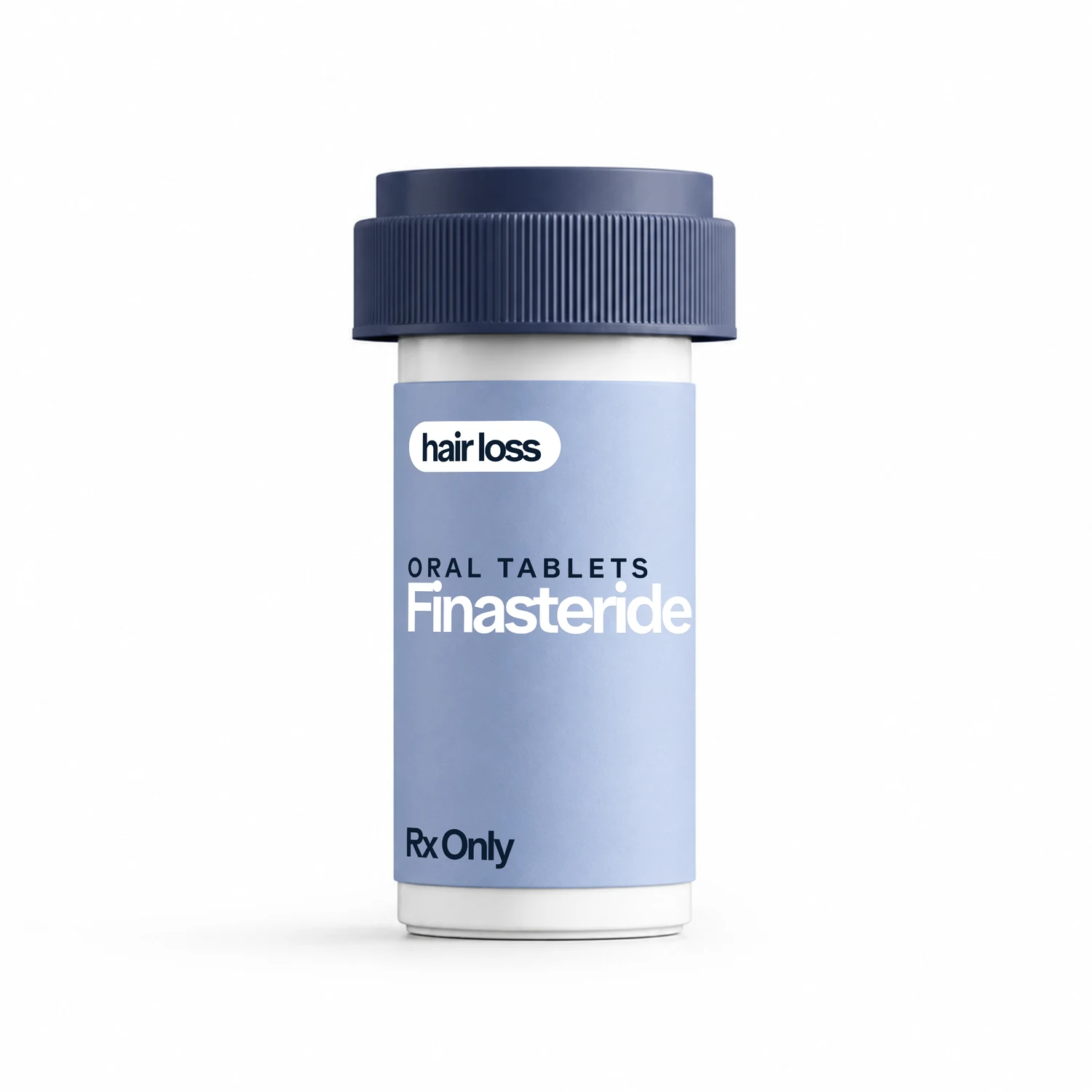
FinasterideRx
Generic Propecia®. Blocks DHT daily.
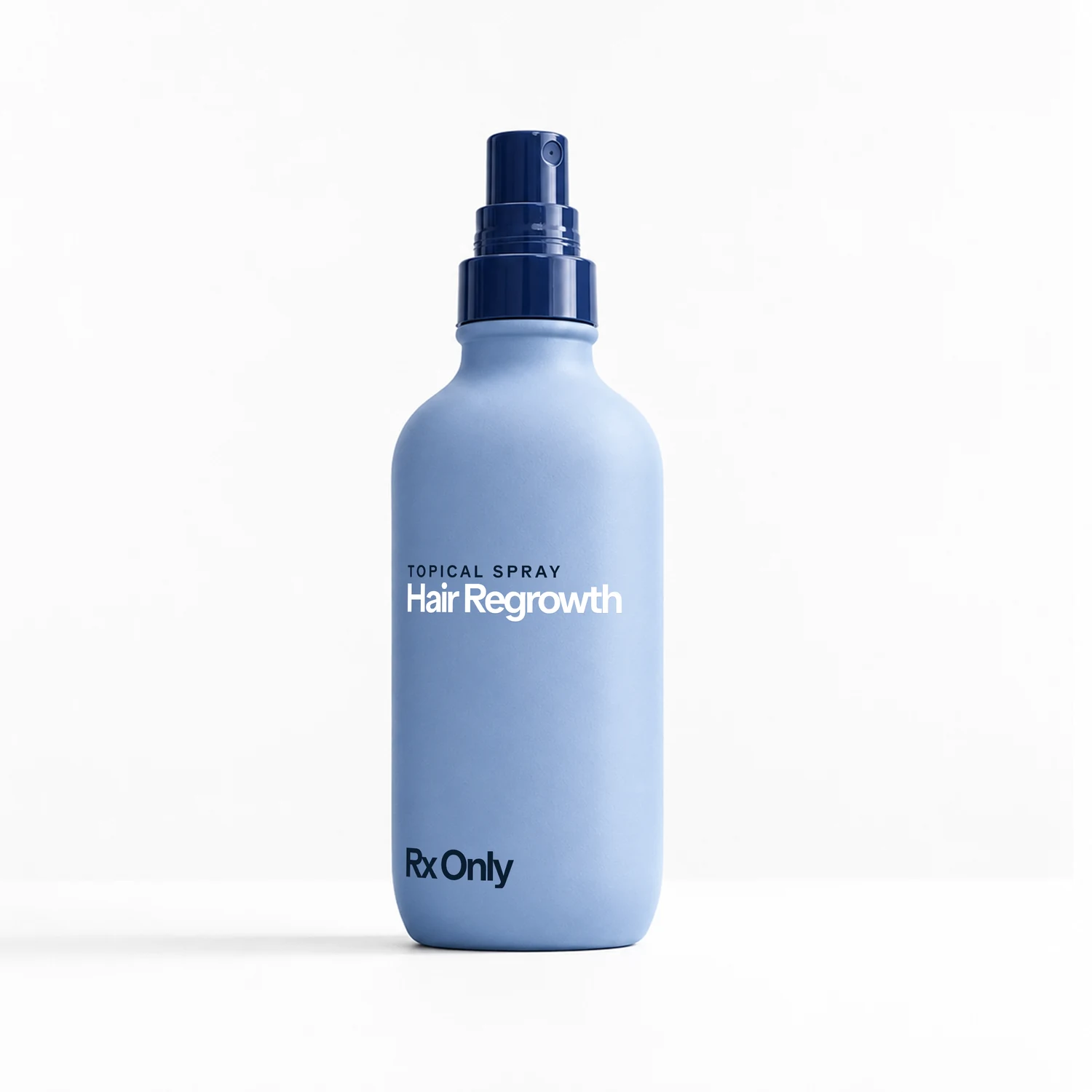
Hair Regrowth SprayRx
3-in-1 topical: finasteride + minoxidil + tretinoin.
Hair Loss Confidence Men Over 40: The Lie I Told Myself

Written by Todd Chrisley
Published May 10, 2026

Key Takeaways
# What I Told Myself About My Hair Was the Lie I Told Myself About Getting Older
I want to talk to you about something most men will not say out loud. I stood in front of a mirror once and decided that what was happening at my hairline was not that bad, that nobody noticed, and that it did not bother me one bit. All three of those statements were lies. And the reason I kept telling them is the same reason a lot of men in this country are quietly falling apart — we have been trained to call silence strength.
The Story I Kept Telling
It started the way it always starts. A little more scalp in the shower drain. A photo from a family dinner where the lighting caught the back of my head just right. You know the photo. You have seen yours. You looked at it for one second, clicked past it, and told yourself you were fine.
I did the same thing. And here is what I know now that I did not know then: the story you tell about your hair is almost never about your hair. It is about what you believe getting older is doing to you. It is about whether you still have what you had. It is about whether the man you are at 50 or 55 or 60 still has standing in the room.
That belief — that what is leaving your head is taking your worth with it — is where the real damage gets done. Not the hair loss itself. The silence around it.
Why This Matters More Than You Think
It is Mental Health Awareness Month, and I want to use that context honestly because I am not someone who uses the word "awareness" to feel good about himself. I went through 28 months in federal prison. I have been in rooms where I could not see a way forward. I have been angry at God and I have been held by Him in the same week. I know what it feels like to carry something you are not telling anyone about.
Here is what the data says about men and silence: according to the American Foundation for Suicide Prevention, men account for nearly 80% of suicide deaths in the United States, yet research consistently shows men make up only about 20% of crisis helpline callers. The Movember Foundation has documented this gap for years. Men are dying in the silence that this culture tells them is dignity.
I am not saying hair loss causes that outcome. I am saying the habit of mind that turns a receding hairline into something shameful — something you manage alone, something you do not mention, something you pretend is not happening — that habit of mind is the same one that lets bigger things fester without a word to anyone.
Losing hair and losing self-esteem are connected not because one causes the other, but because men who have never learned to address one small honest thing rarely learn to address the large ones either.

If you have been telling yourself that balding men just accept it and move on, I want to ask you: move on to what, exactly? To feeling less like yourself every morning? That is not acceptance. That is avoidance dressed up in stoic clothing.
What This Means for You
If you are sitting where I was sitting — somewhere between 45 and 65, looking at a hairline that is not what it was, and telling yourself it does not matter — I want you to hear this plainly. It is allowed to matter to you. Your appearance is part of how you carry yourself. How you carry yourself is part of how you serve your family, show up for your faith, and maintain the physical discipline that keeps you capable.
This is stewardship. The same God who expects you to maintain what He gave you spiritually and relationally is not offended when you maintain what He gave you physically. Those are not competing values. They are the same value.
The problem is never the thing you can see. The problem is the story you tell about it in private, the one that grows in silence because you have decided that asking for help is weakness. That decision costs men everything, year after year.
What to Actually Do
Here is the practical turn. None of this is complicated.
First, stop lying to yourself in the mirror. Look at it plainly. Name what you see. That moment of honesty is not vanity — it is the beginning of every good decision you will ever make.
Second, talk to someone. Not a stranger on a hotline necessarily, though that is there if you need it. Talk to your wife. Talk to your pastor. Talk to a friend you trust. The men who maintain their mental health are not the ones who have fewer problems. They are the ones who have fewer secrets.
Third, address the physical thing directly. Androgenetic alopecia — the most common form of hair loss in men — is a medical condition, not a character verdict. According to the American Academy of Dermatology, more than 50 million men in the United States are affected by it. There are clinically studied options. Results may vary, but the conversation with a licensed physician is how you find out what applies to you specifically. That conversation starts with honesty, the same place everything worth doing starts.
Fourth, keep the fundamentals. Sleep seven to eight hours. Walk every day. Eat food that came from the ground or an animal more often than it came from a factory. Lift something heavy at least three times a week. These are not cures for hair loss but they are the foundation on which every other intervention stands.

About Hair Loss Support at Good Guy Rx
Good Guy Rx is a technology platform that connects men to independent licensed physicians and independent state-licensed pharmacies. If hair loss is something you want to address medically, a licensed provider can evaluate your specific situation and discuss clinically studied prescription options — including those prepared by state-licensed compounding pharmacies in accordance with FDA regulations. Compounded medications are not FDA-approved. To speak with a provider, start with the hair loss assessment. Results may vary.
The Close
The man you want to be at 60 is built on the decisions the man at 47 makes about what he is willing to be honest about — and the refusal to let shame be the thing that runs the show.
Take care of what God gave you.
Sources
- Suicide Statistics — American Foundation for Suicide Prevention — https://afsp.org/suicide-statistics/
- Men's Mental Health — Movember Foundation — https://us.movember.com/mens-health/mental-health
- Hair Loss: Overview — American Academy of Dermatology — https://www.aad.org/public/diseases/hair-loss/types/male-pattern
- Male Pattern Hair Loss — American Urological Association / PubMed context — https://pubmed.ncbi.nlm.nih.gov/
References
- [Men's Mental Health — Movember Foundation — https://us.movember.com/mens-health/mental-health](https://us.movefront.com/mens-health/mental-health)
- [Hair Loss: Overview — American Academy of Dermatology — https://www.aad.org/public/diseases/hair-loss/types/male-pattern](https://www.aad.org/public/diseases/hair-loss/types/male-pattern)
- [Male Pattern Hair Loss — American Urological Association / PubMed context — https://pubmed.ncbi.nlm.nih.gov/](https://pubmed.ncbi.nlm.nih.gov/)
Share this article

Ready to start your journey?
Complete your free online visit and see if GLP-1 treatment is right for you.
Get Started