
Good Guy Rx
Take care of what God gave you.
Get started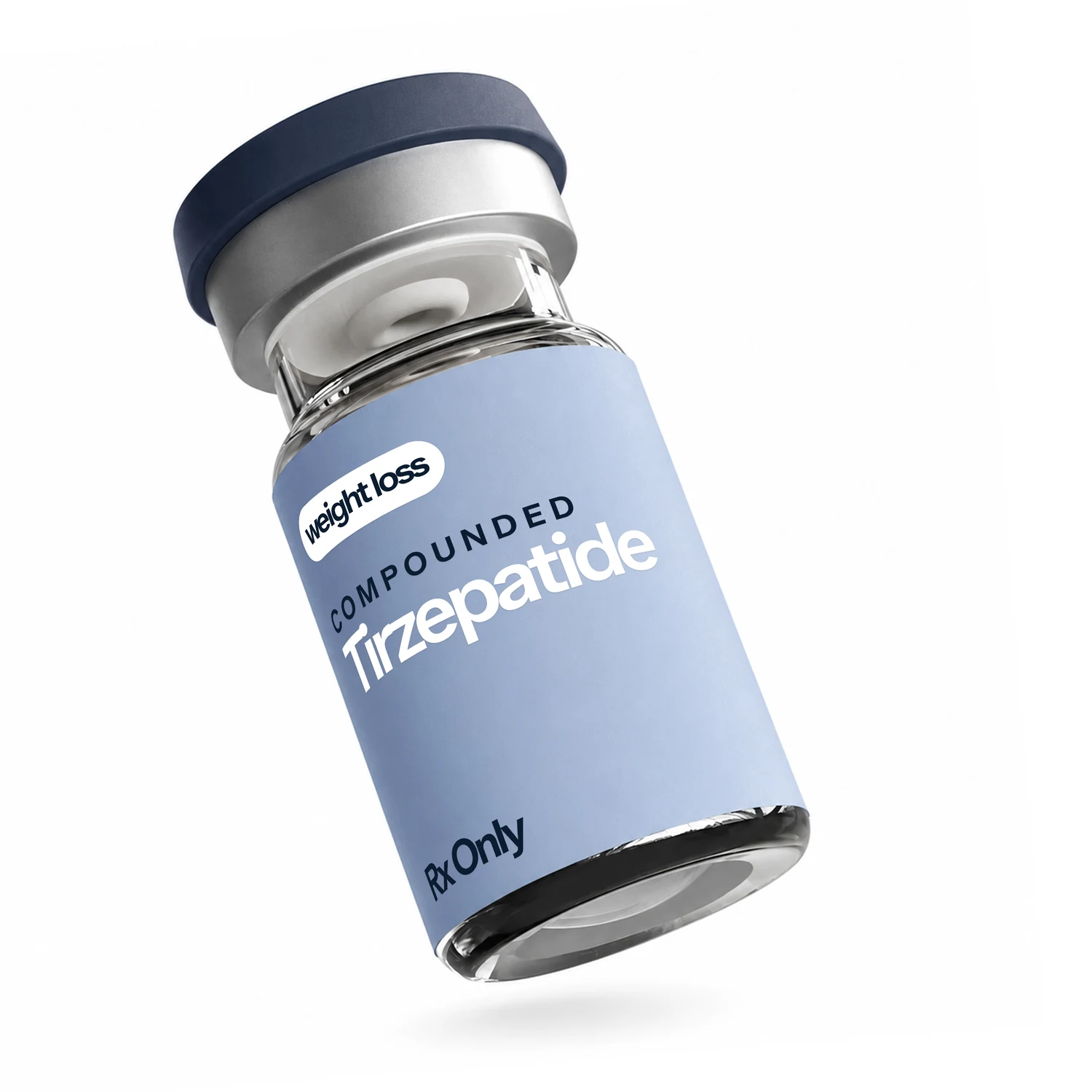
Compounded TirzepatideRx
Weekly GLP-1 + GIP injection.
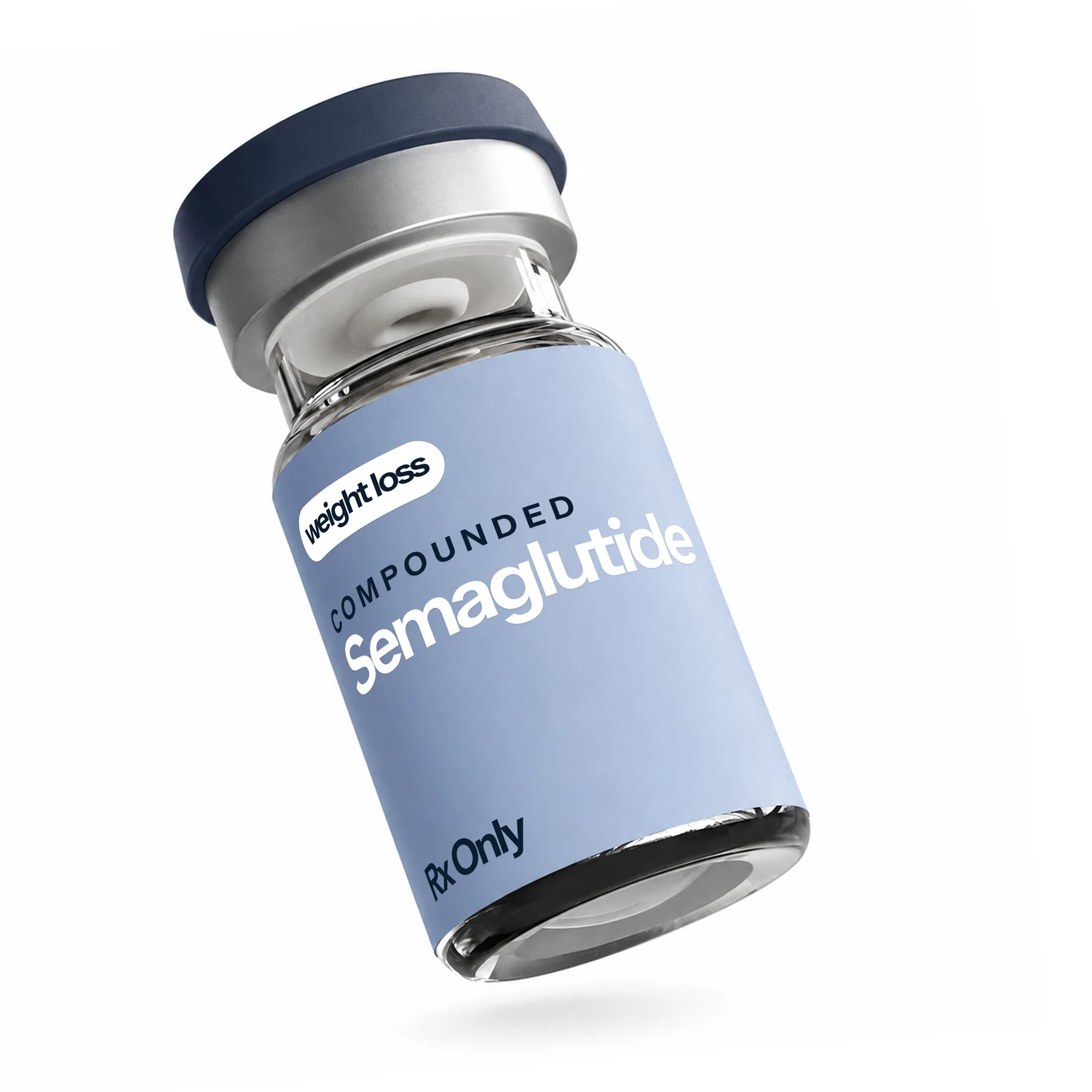
Compounded SemaglutideRx
Weekly GLP-1 injection.
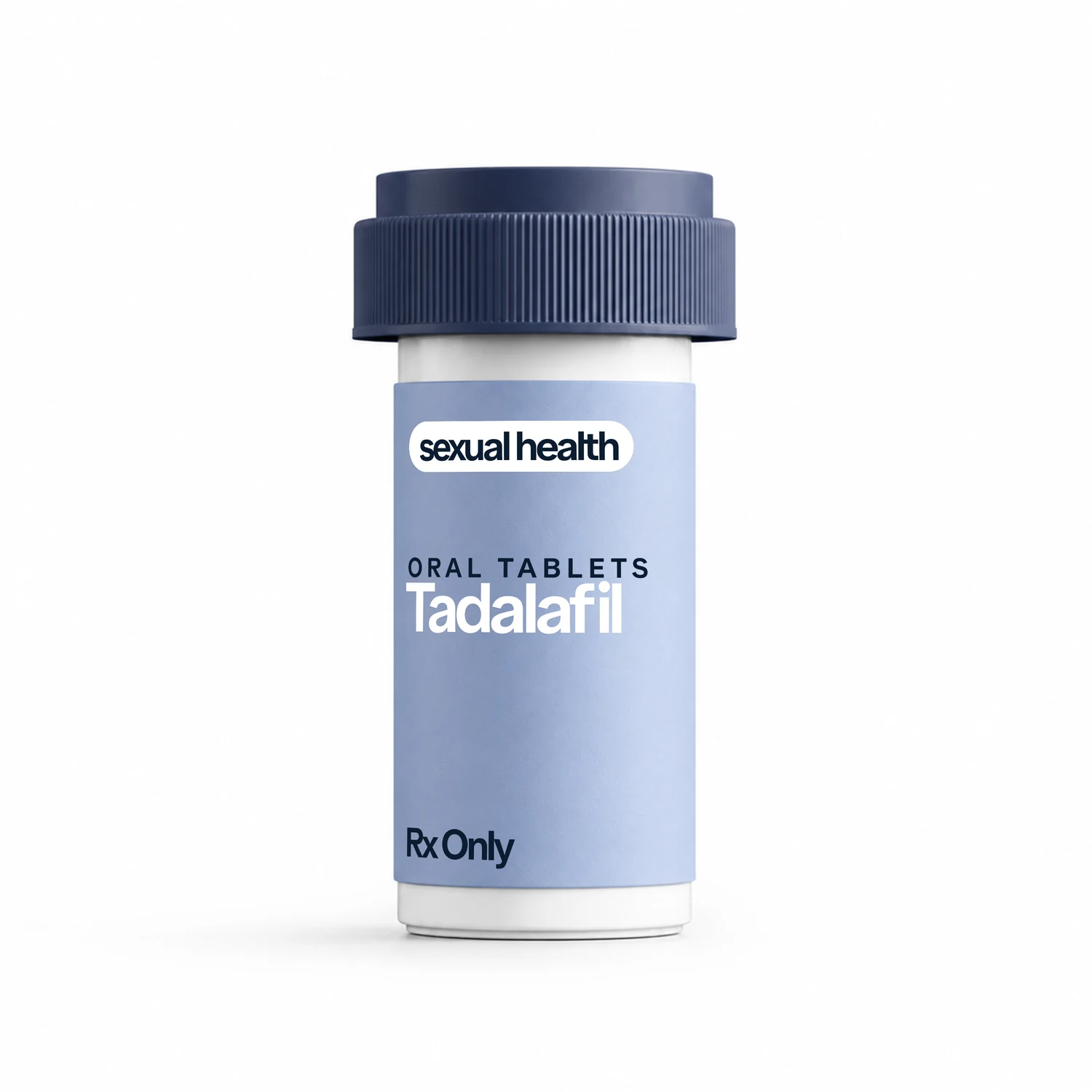
TadalafilRx
Generic Cialis®. Lasts up to 36 hours.
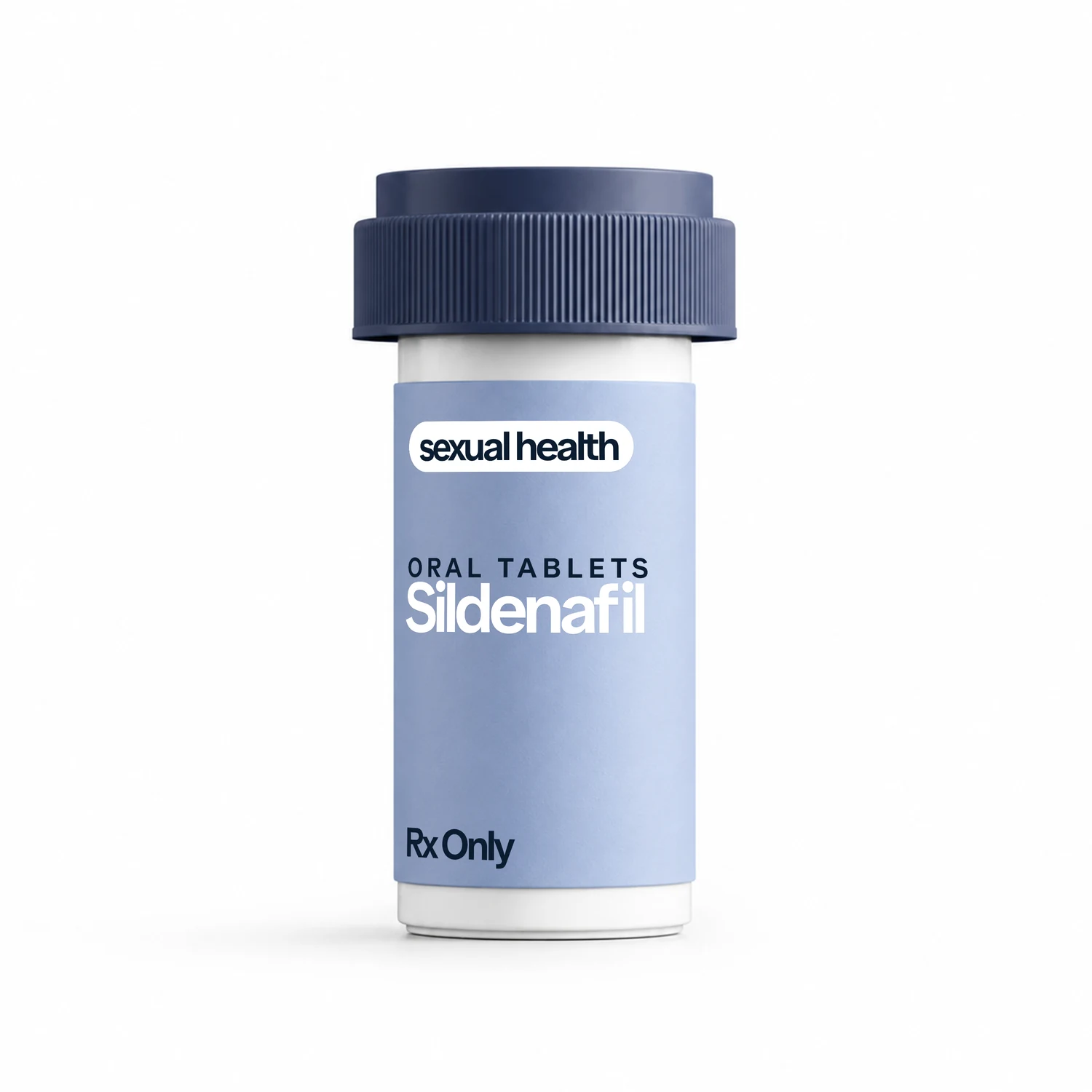
SildenafilRx
Generic Viagra®. Works in 30 minutes.
FinasterideRx
Generic Propecia®. Blocks DHT daily.
Hair Regrowth SprayRx
3-in-1 topical: finasteride + minoxidil + tretinoin.
Alcohol and Depression in Men: The Loop to Know

Written by Jonathan R.
Published March 16, 2026

Key Takeaways
# Alcohol and Depression in Men: The Loop Most Men Do Not See They Are In
If you typed something like "alcohol depression men" or "does drinking make depression worse," you already suspect the answer. This article is for you. Not for a clinical audience. Not for men in crisis. For the man who pours a second drink most evenings and has started to notice that the mornings feel heavier than they used to.
That noticing matters. Here is what the research says about why.
The Loop, Explained
Alcohol-related depression is not a single event. It is a reinforcing cycle that most men enter gradually, over years, without a clear starting point. The cycle works like this: low mood or stress drives drinking; drinking provides short-term relief; the relief ends and mood drops lower than before; the lower mood drives more drinking.
According to a study published in JAMA Psychiatry, men with alcohol use disorder are approximately 3.7 times more likely to have a co-occurring major depressive disorder than men who do not drink heavily. The relationship runs in both directions. Depression is a risk factor for heavy drinking, and heavy drinking is a risk factor for depression. This bidirectional relationship is why the loop is so difficult to see from inside it.
The clinical term for this pattern is comorbid alcohol use and mood disorder, and it is more common in men over 40 than most primary care visits ever surface. Men in this age bracket are statistically less likely to report emotional symptoms to a physician, which means the loop often runs for years before any intervention.
What Alcohol Actually Does to the Brain
Alcohol is a central nervous system depressant. That is not a metaphor. It depresses the activity of the brain's signaling systems, including the gamma-aminobutyric acid (GABA) pathway, which produces the sedating, anxiety-dampening effect men describe as "taking the edge off." It also suppresses glutamate, the brain's primary excitatory neurotransmitter.
In the short term, this produces calm. Over time, the brain compensates. It downregulates GABA receptors and upregulates glutamate activity to restore baseline function. The result is that when alcohol leaves the system, the brain is in a state of heightened excitability. Anxiety increases. Sleep quality drops. Irritability rises. The threshold for feeling settled moves higher.
This is not a character flaw. It is a pharmacological adaptation. The brain is doing exactly what brains do: adjusting to a repeated chemical input.
Sleep architecture is a useful marker here. Alcohol reduces REM sleep, the stage associated with emotional processing and memory consolidation. According to research published in Alcoholism: Clinical and Experimental Research, even moderate drinking — two drinks per evening — measurably reduces REM sleep duration. A man who is sleeping but not recovering is a man who will feel it by mid-morning.
Why Men Over 45 Are Particularly Vulnerable
Several converging factors make the alcohol-depression loop more likely to take hold in men between 45 and 70.

First, testosterone decline. Testosterone levels drop gradually beginning in a man's late 30s, with a more pronounced decline after 45. Low testosterone is independently associated with depressive symptoms, low motivation, and reduced stress tolerance. A man whose mood baseline has already shifted downward due to hormonal change may be more likely to reach for a drink as a coping mechanism.
Second, life-stage pressures. Career transitions, adult children leaving home, aging parents, the quiet renegotiation of a long marriage — these are not small stressors. They are structural. And they tend to arrive without a clear institutional framework for processing them. Men in this demographic were not raised with a vocabulary for emotional difficulty. Alcohol fills the silence.
Third, metabolic change. The liver processes alcohol more slowly as men age. Body water percentage decreases. The same two drinks that felt manageable at 38 produce higher blood alcohol concentration and longer recovery time at 55. The hangover is not imaginary. The system is working differently.
According to the National Institute on Alcohol Abuse and Alcoholism (NIAAA), older adults are more sensitive to alcohol's effects and more likely to experience drug-alcohol interactions — a significant concern for men in this age group who are managing blood pressure, cholesterol, or blood sugar medications.
The Nutrition Connection: What You Eat Shapes How You Feel
National Nutrition Month is a reasonable prompt for a harder conversation: the gut-brain axis is real, and what a man eats directly affects mood regulation.
B vitamins, particularly B12 and folate, are essential to the synthesis of serotonin and dopamine — the neurotransmitters most directly implicated in mood. Alcohol depletes B12. A man who drinks regularly and does not actively replenish B vitamins may be compounding a nutritional deficit that makes low mood harder to lift.
The Mediterranean dietary pattern — high in vegetables, legumes, olive oil, fish, and whole grains, low in processed foods and refined sugar — has been associated with lower rates of depression in multiple large cohort studies. A 2019 analysis published in Molecular Psychiatry found that adherence to a Mediterranean-style diet was associated with a 33 percent reduced risk of depression. That is not a supplement claim. It is a pattern-of-eating finding, and it is consistent across studies.
Protein timing also matters. Men over 40 lose muscle mass faster and require adequate protein distribution across meals to maintain lean body mass and stabilize blood sugar — both of which affect energy and mood stability. Skipping breakfast and drinking at night is a metabolic pattern that works against mood regulation at the cellular level.
If you are looking for a practical starting point, Vitamin B12 is a foundational step. Alcohol depletes it. B12 deficiency presents as fatigue, low mood, and cognitive fog — symptoms that overlap almost entirely with mild depression. Addressing a nutritional deficit is not a cure, but it removes one variable that may be making everything harder.
Where Good Guy Rx Fits
Good Guy Rx is a technology platform. It connects men to independent licensed physicians and independent state-licensed pharmacies. It does not diagnose, prescribe, or dispense.
What the platform does: it makes it easier for a man to have an honest conversation with a licensed provider without sitting in a waiting room or explaining himself to a front-desk staff member he has known for fifteen years.
For men navigating the alcohol-depression loop, the most useful first step is often a straightforward clinical assessment — of testosterone, of nutritional markers including B12, of sleep quality, of mood. These are medical questions with measurable answers. A provider who sees the full picture can help distinguish between depression that precedes drinking, depression that is caused by drinking, and depression that is both.

Vitamin B12 visits on the platform connect you to an independent licensed provider who can assess your current levels and, where appropriate, coordinate compounded B12 prepared by state-licensed compounding pharmacies in accordance with FDA regulations. Compounded medications are not FDA-approved. Results may vary.
If you have questions about medication, treatment, or your specific situation, direct those to a licensed provider through the patient portal — not to support staff.
What to Do Next
Step 1: Track for two weeks. Write down what you drink, when, and what your mood is the following morning. Pattern recognition is the first clinical tool. You do not need an app. A notebook works.
Step 2: Talk to a licensed provider. Not about whether you drink too much. About how you feel. A baseline lab panel — testosterone, B12, folate, thyroid — gives a provider actual data and gives you a foundation for a real conversation.
Step 3: Address the nutrition baseline. Start with protein at breakfast, reduce processed carbohydrates at dinner, and consider a B12 assessment if fatigue and low mood are consistent symptoms.
Step 4: Reduce before you remove. If two drinks is the current norm, one drink is a meaningful change. The brain adapts gradually in both directions. Abrupt cessation after heavy, prolonged drinking carries medical risk — speak with a provider before making a significant change.
Sources
- Comorbid Alcohol Use Disorder and Major Depressive Disorder — *JAMA Psychiatry* — https://jamanetwork.com/journals/jamapsychiatry
- Alcohol and Sleep — *Alcoholism: Clinical and Experimental Research* — https://www.ncbi.nlm.nih.gov/pmc/articles/PMC5821259/
- Older Adults and Alcohol — National Institute on Alcohol Abuse and Alcoholism — https://www.niaaa.nih.gov/publications/brochures-and-fact-sheets/older-adults
- Mediterranean Diet and Depression Risk — *Molecular Psychiatry* — https://www.nature.com/articles/s41380-018-0237-8
- Testosterone and Depression in Men — *Journal of Clinical Endocrinology and Metabolism* — https://academic.oup.com/jcem
- B12 Deficiency and Neuropsychiatric Symptoms — *American Journal of Men's Health* — https://journals.sagepub.com/home/ajmh
This article is for informational purposes only and does not constitute medical advice. Talk with a licensed provider through the patient portal before starting any treatment.
References
- [Alcohol and Sleep — *Alcoholism: Clinical and Experimental Research* — https://www.ncbi.nlm.nih.gov/pmc/articles/PMC5821259/](https://www.ncbi.nlm.nih.gov/pmc/articles/PMC5821259/)
- [Older Adults and Alcohol — National Institute on Alcohol Abuse and Alcoholism — https://www.niaaa.nih.gov/publications/brochures-and-fact-sheets/older-adults](https://www.niaaa.nih.gov/publications/brochures-and-fact-sheets/older-adults)
- [Mediterranean Diet and Depression Risk — *Molecular Psychiatry* — https://www.nature.com/articles/s41380-018-0237-8](https://www.nature.com/articles/s41380-018-0237-8)
- [Testosterone and Depression in Men — *Journal of Clinical Endocrinology and Metabolism* — https://academic.oup.com/jcem](https://academic.oup.com/jcem)
- [B12 Deficiency and Neuropsychiatric Symptoms — *American Journal of Men's Health* — https://journals.sagepub.com/home/ajmh](https://journals.sagepub.com/home/ajmh)
- This article is for informational purposes only and does not constitute medical advice. Talk with a licensed provider through the patient portal before starting any treatment.*
Share this article

Ready to start your journey?
Complete your free online visit and see if GLP-1 treatment is right for you.
Get Started