
Good Guy Rx
Take care of what God gave you.
Get started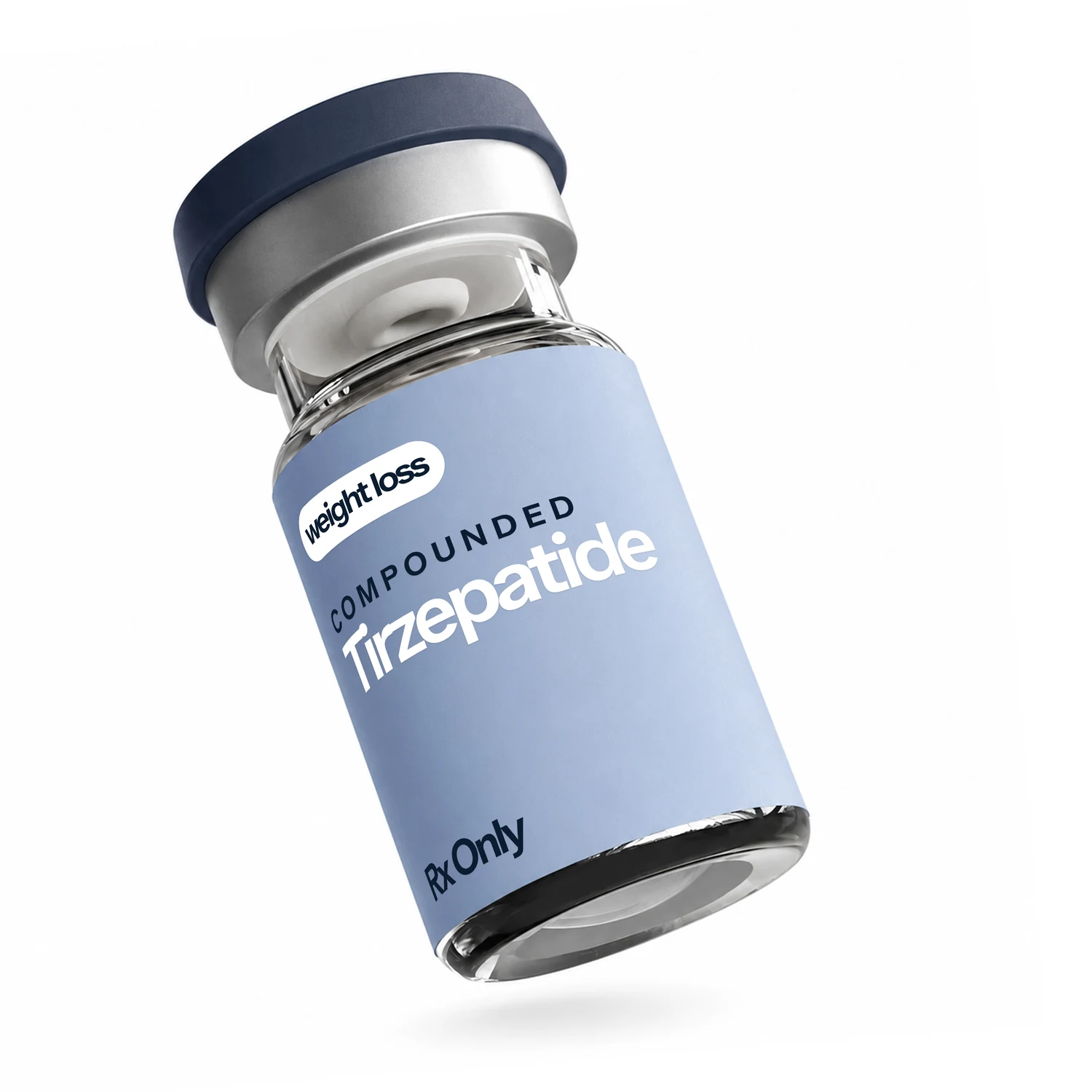
Compounded TirzepatideRx
Weekly GLP-1 + GIP injection.
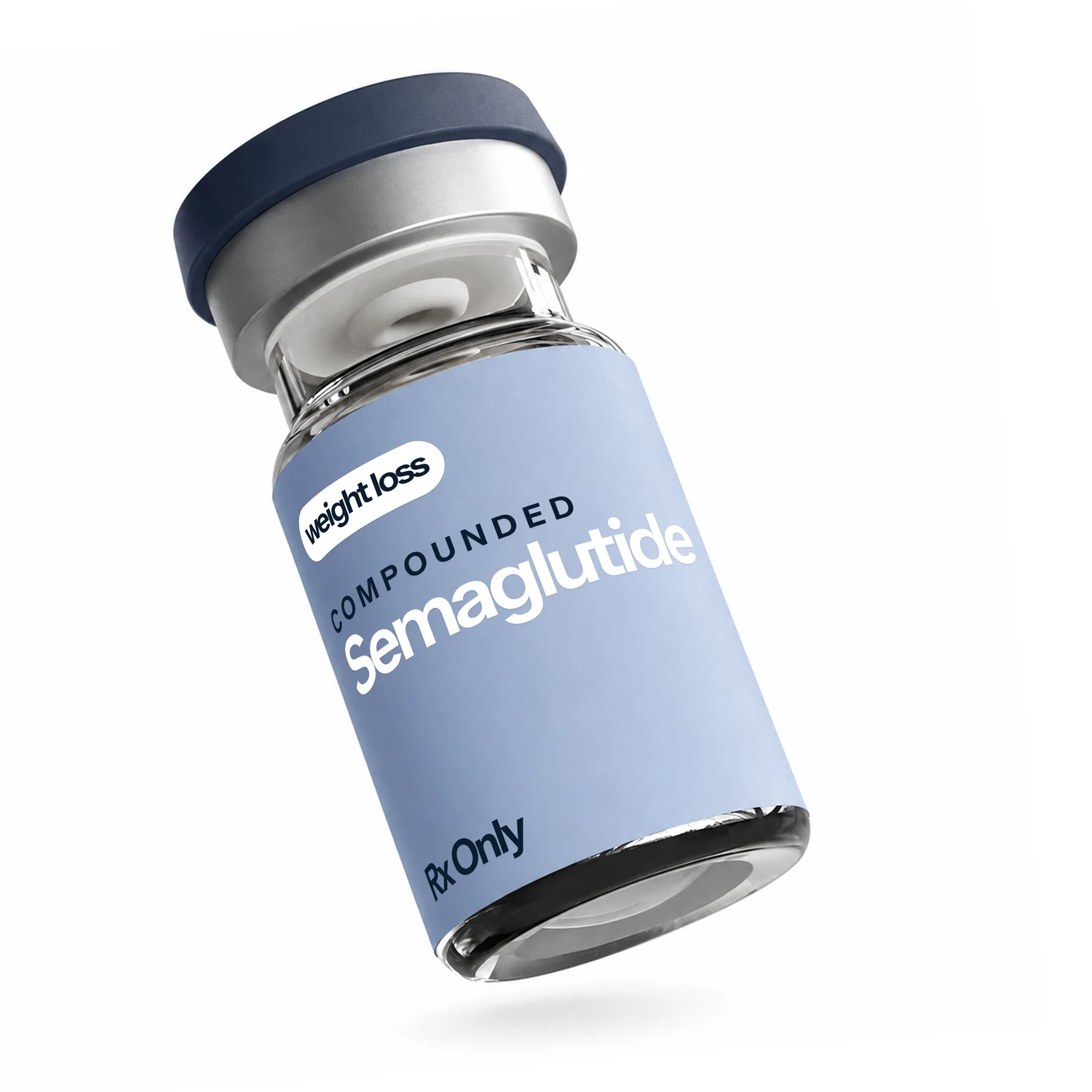
Compounded SemaglutideRx
Weekly GLP-1 injection.
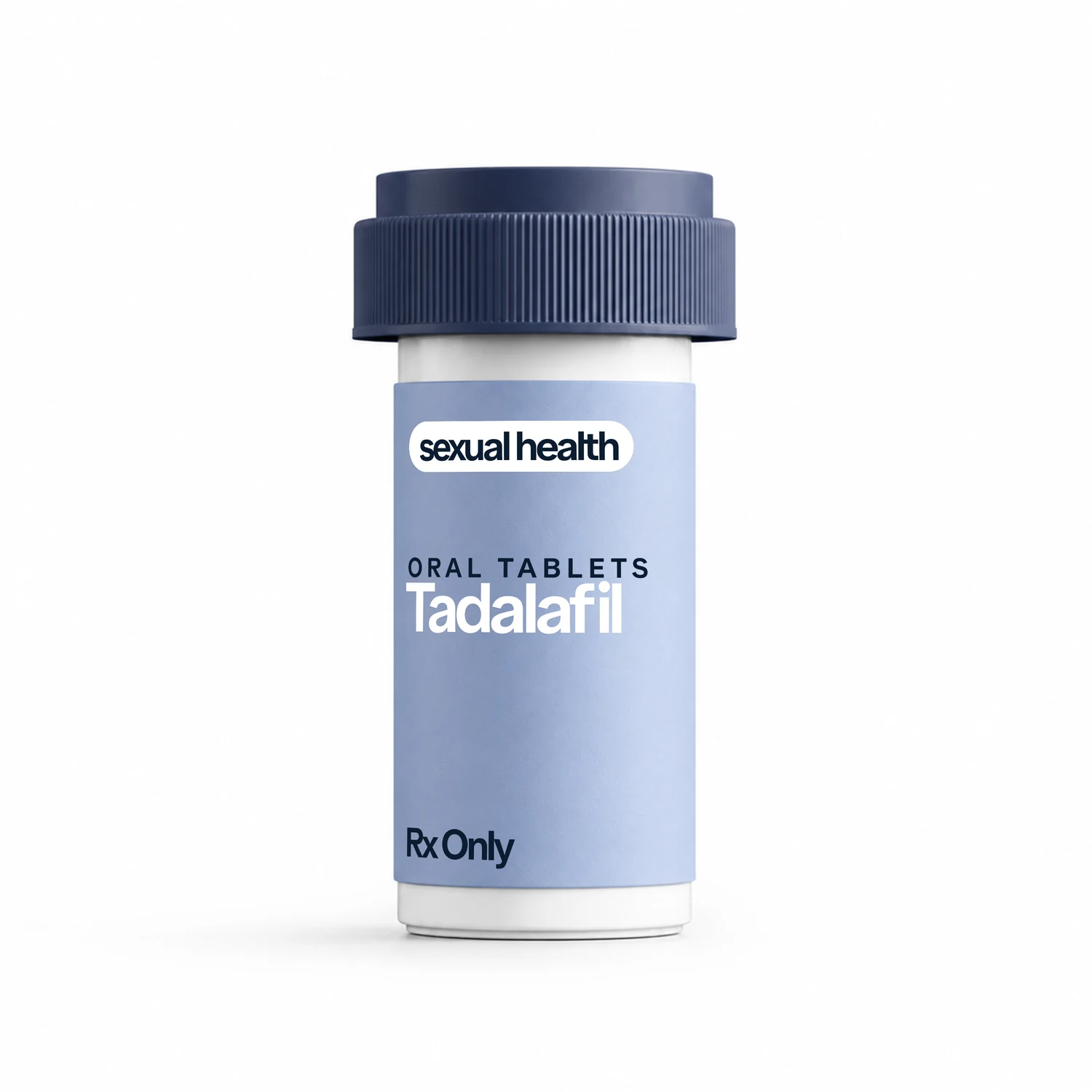
TadalafilRx
Generic Cialis®. Lasts up to 36 hours.
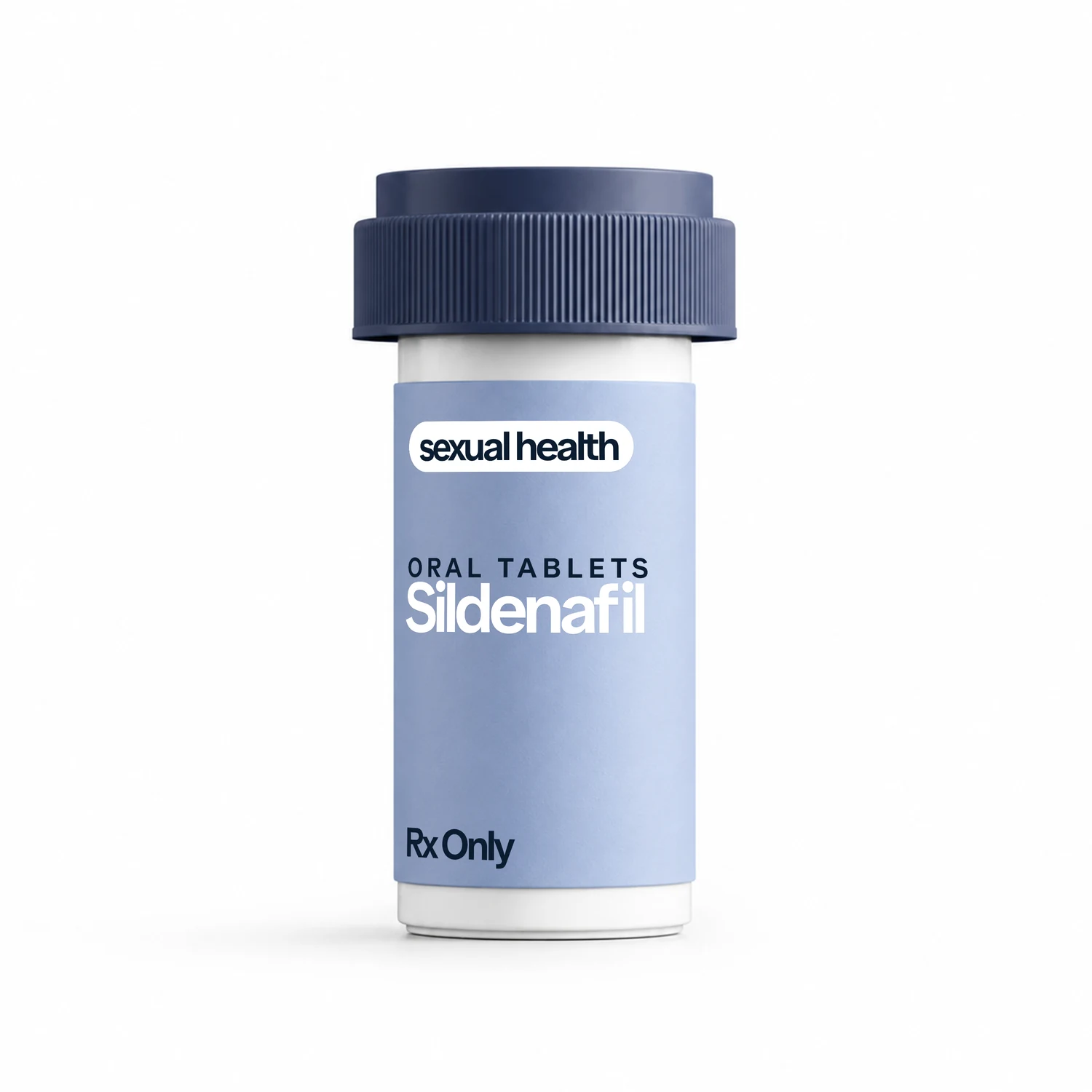
SildenafilRx
Generic Viagra®. Works in 30 minutes.
FinasterideRx
Generic Propecia®. Blocks DHT daily.

Hair Regrowth SprayRx
3-in-1 topical: finasteride + minoxidil + tretinoin.
Lipo-C Injection Benefits: What MIC and L-Carnitine Do

Written by James T.
Published June 28, 2026

Key Takeaways
Lipotropic injections combining MIC compounds and L-carnitine are designed to support the liver's fat-processing pathways — and during Men's Health Month, understanding the science behind these compounds is a practical first step toward a more informed conversation with a licensed provider.
What Are Lipotropic Compounds?
The term lipotropic (from the Greek lipos, fat, and tropos, turning) refers to substances that support the mobilization and metabolism of fat in the liver. The most studied combination is the MIC injection formulation: methionine, inositol, and choline — three nutrients that, together, help the liver package and export fat rather than allowing it to accumulate.
Lipo-C formulations typically add L-carnitine, an amino-acid derivative, and sometimes vitamin B12 to that base. Each component plays a distinct biochemical role.
Mechanism of Action: How Each Ingredient Works
Methionine is an essential amino acid — one the body cannot synthesize on its own. It serves as a methyl donor in a process called transmethylation, which is critical for synthesizing phosphatidylcholine, the dominant phospholipid in very-low-density lipoprotein (VLDL) particles. Without adequate VLDL assembly, triglycerides accumulate in liver cells, a condition associated with non-alcoholic fatty liver disease (NAFLD). Research published in *Nutrients* has linked dietary methionine availability to hepatic lipid export capacity.
Inositol is a carbocyclic sugar that functions as a second messenger in insulin signal transduction. Peer-reviewed research suggests that myo-inositol supplementation can improve insulin sensitivity markers and reduce triglyceride concentrations, particularly in populations with metabolic syndrome. A review in *International Journal of Endocrinology* documented these effects across multiple controlled trials.
Choline is an essential nutrient classified by the National Institutes of Health (NIH) as adequate intake–deficient in most American men. Choline is required for the synthesis of phosphatidylcholine and the neurotransmitter acetylcholine. Critically, it is rate-limiting in hepatic VLDL secretion: low choline availability directly impairs the liver's ability to export fat into circulation for peripheral use.
L-carnitine is a quaternary ammonium compound synthesized from the amino acids lysine and methionine. Its primary metabolic role is facilitating the transport of long-chain fatty acids across the inner mitochondrial membrane — a prerequisite for beta-oxidation, the process by which fatty acids are broken down to generate cellular energy (adenosine triphosphate, or ATP). A meta-analysis published in *Obesity Reviews* (2016) found that L-carnitine supplementation was associated with modest reductions in body weight and fat mass compared to placebo across multiple randomized controlled trials. Results may vary based on individual physiology, diet, and activity level.
Vitamin B12 (cyanocobalamin or methylcobalamin), when included, supports red blood cell formation and neurological function. B12 deficiency — notably common in men over 50 and in those on metformin therapy — can blunt energy metabolism independent of other factors, according to guidance from the NIH Office of Dietary Supplements.

The Evidence Base
It is important to be transparent about where the evidence is strong and where it is more limited.
- Choline and hepatic fat: The NIH-supported Nonalcoholic Steatohepatitis Clinical Research Network has consistently linked choline-deficient diets to increased hepatic fat accumulation, providing a physiological rationale for supplementation in men with suboptimal dietary intake.
- Inositol and insulin sensitivity: Multiple randomized controlled trials, reviewed in *Frontiers in Endocrinology* (2018), support myo-inositol's role in improving fasting insulin and HOMA-IR (a standard insulin-resistance index) in metabolically at-risk adults.
- L-carnitine and body composition: The 2016 Obesity Reviews meta-analysis cited above pooled data from nine randomized trials and found statistically significant, if modest, reductions in body weight (mean difference approximately −1.3 kg vs. placebo). The authors noted that effects were most pronounced in individuals with low baseline carnitine status — common in men who limit red meat intake. Results may vary.
- What remains less clear is whether the injectable route delivers clinically superior results compared to oral supplementation for all individuals. Injection bypasses first-pass intestinal and hepatic metabolism, which proponents argue improves bioavailability — but head-to-head, randomized data specifically on injectable lipotropic blends in otherwise healthy adult men remain limited. A licensed provider can help you weigh that consideration against your specific profile.
Who Is — and Is Not — Generally Considered a Candidate
Current clinical thinking suggests lipotropic injections may be considered for adult men who have documented nutritional gaps, suboptimal liver fat metabolism, or who are working with a provider on a structured weight-management protocol.
Potential contraindications and cautions include:
- Known trimethylaminuria (TMAU), a metabolic disorder in which choline metabolism produces excess trimethylamine
- Active kidney disease (L-carnitine is renally cleared)
- Allergy to any component of the formulation
- Pregnancy or plans to conceive (though this article addresses a men's health audience)
- Current use of anticoagulants such as warfarin — methionine may influence drug metabolism pathways
These are general considerations only. A licensed provider determines candidacy after a complete medical history and intake. This is not a self-prescribe situation.
What Men Typically Report on Treatment
Men who have been evaluated and placed on lipotropic protocols by licensed providers commonly describe the following, based on patient-reported outcome data and clinical practice reports:
- Injection site: Typically administered intramuscularly or subcutaneously. Mild local discomfort or redness at the injection site is common and usually resolves within 24 hours.
- Timing: Some men report increased energy awareness within the first one to two weeks, often attributed to B12 normalization if they were deficient.
- GI effects: Mild nausea or loose stools can occur, particularly with higher choline doses, as choline's metabolite trimethylamine N-oxide (TMAO) can irritate the GI tract in some individuals.
- When to flag a concern: Persistent injection-site swelling, signs of allergic reaction (hives, difficulty breathing), or unexplained fatigue should be reported promptly to a licensed provider through the patient portal — not to support staff.
Results may vary. Lipotropic compounds are not a standalone weight-loss treatment; current evidence situates them as adjunctive support within a broader protocol that includes dietary changes and physical activity.

Men's Health Month: Partners in Care
June is Men's Health Month, and the 2026 theme — "Partners in Care: For Better Lifespans Across the Lifespan" — centers four pillars: prevention, early detection, mental well-being, and consistent care partnerships. Understanding the biochemistry of what you put into your body is a form of prevention. Getting a baseline metabolic evaluation — liver function, B12 status, carnitine levels — is a form of early detection. And building an ongoing relationship with a licensed provider who tracks your labs over time is exactly what the "partners in care" framework calls for.
The Good Guy Rx Pathway
Good Guy Rx is a technology platform that connects adult men to independent licensed physicians and independent state-licensed pharmacies. A licensed provider on the platform reviews your complete medical intake, relevant lab history, and health goals before determining whether a lipotropic protocol is appropriate for you. Compounded lipotropic formulations are not FDA-approved drugs; they are prepared by state-licensed compounding pharmacies in accordance with FDA regulations.
If you want to start the conversation, the Slim Shot assessment and the MIC + B12 assessment walk you through a structured medical intake reviewed by a licensed provider — not a sales team.
Sources
- Choline — Health Professional Fact Sheet — NIH Office of Dietary Supplements — https://ods.od.nih.gov/factsheets/Choline-HealthProfessional/
- Vitamin B12 — Health Professional Fact Sheet — NIH Office of Dietary Supplements — https://ods.od.nih.gov/factsheets/VitaminB12-HealthProfessional/
- Myo-inositol and D-chiro-inositol clinical effects — International Journal of Endocrinology — https://pubmed.ncbi.nlm.nih.gov/28115936/
- Inositol supplementation and insulin resistance review — Frontiers in Endocrinology — https://pubmed.ncbi.nlm.nih.gov/30443243/
- L-carnitine supplementation and body weight meta-analysis — Obesity Reviews — https://pubmed.ncbi.nlm.nih.gov/26545671/
- Nonalcoholic Steatohepatitis Clinical Research Network — NIH NIDDK — https://www.niddk.nih.gov/about-niddk/research-areas/liver-disease/nonalcoholic-steatohepatitis-nash
- Men's Health Month — Movember Foundation — https://us.movember.com/
This article is for educational purposes only and is not medical advice. The author is not a physician. A licensed provider on Good Guy Rx determines what is appropriate for you after a complete medical intake.
References
- [Vitamin B12 — Health Professional Fact Sheet — NIH Office of Dietary Supplements — https://ods.od.nih.gov/factsheets/VitaminB12-HealthProfessional/](https://ods.od.nih.gov/factsheets/VitaminB12-HealthProfessional/)
- [Myo-inositol and D-chiro-inositol clinical effects — International Journal of Endocrinology — https://pubmed.ncbi.nlm.nih.gov/28115936/](https://pubmed.ncbi.nlm.nih.gov/28115936/)
- [Inositol supplementation and insulin resistance review — Frontiers in Endocrinology — https://pubmed.ncbi.nlm.nih.gov/30443243/](https://pubmed.ncbi.nlm.nih.gov/30443243/)
- [L-carnitine supplementation and body weight meta-analysis — Obesity Reviews — https://pubmed.ncbi.nlm.nih.gov/26545671/](https://pubmed.ncbi.nlm.nih.gov/26545671/)
- [Nonalcoholic Steatohepatitis Clinical Research Network — NIH NIDDK — https://www.niddk.nih.gov/about-niddk/research-areas/liver-disease/nonalcoholic-steatohepatitis-nash](https://www.niddk.nih.gov/about-niddk/research-areas/liver-disease/nonalcoholic-steatohepatitis-nash)
- [Men's Health Month — Movember Foundation — https://us.movember.com/](https://us.movember.com/)
- This article is for educational purposes only and is not medical advice. The author is not a physician. A licensed provider on Good Guy Rx determines what is appropriate for you after a complete medical intake.*
Share this article

Ready to start your journey?
Complete your free online visit and see if GLP-1 treatment is right for you.
Get Started