
Good Guy Rx
Take care of what God gave you.
Get started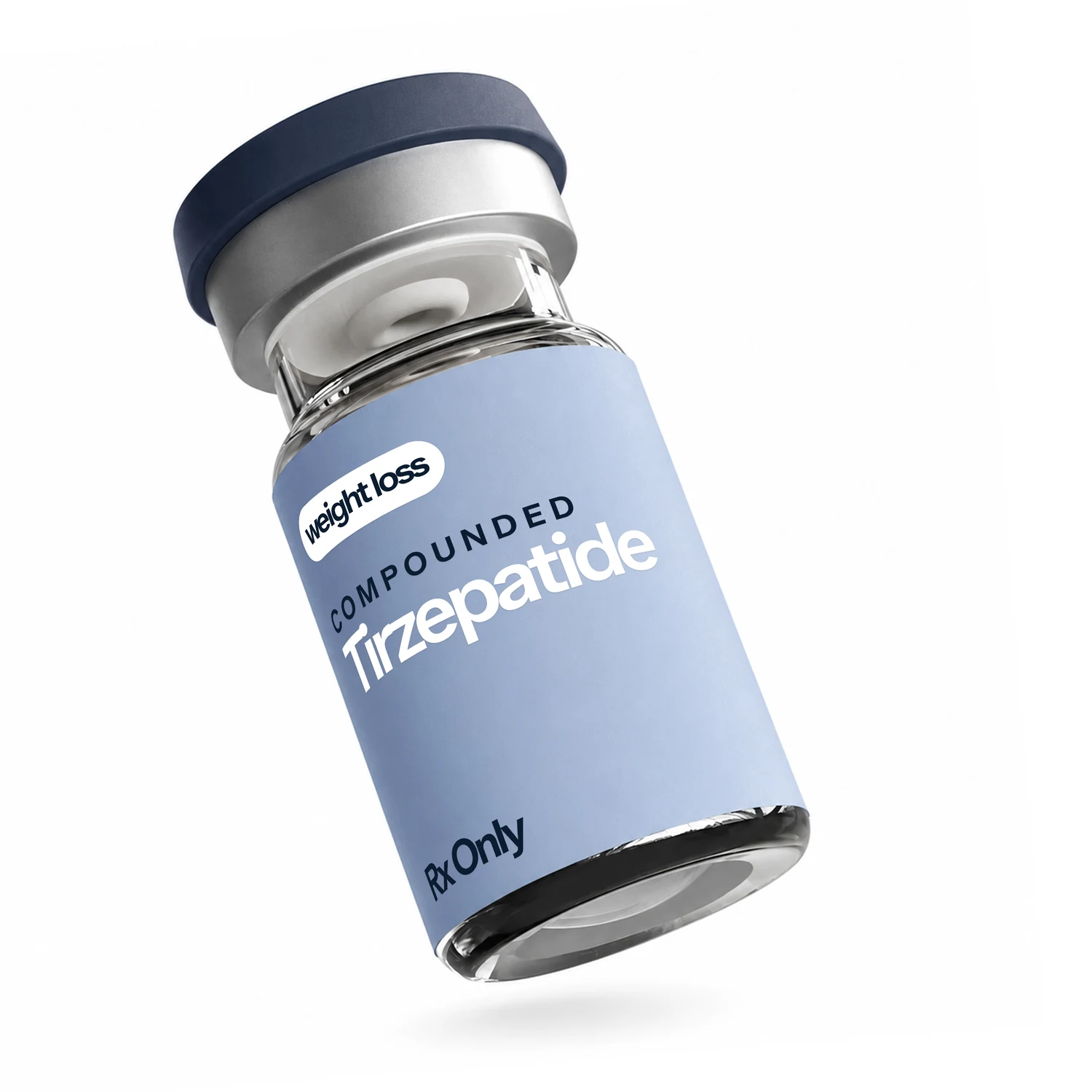
Compounded TirzepatideRx
Weekly GLP-1 + GIP injection.
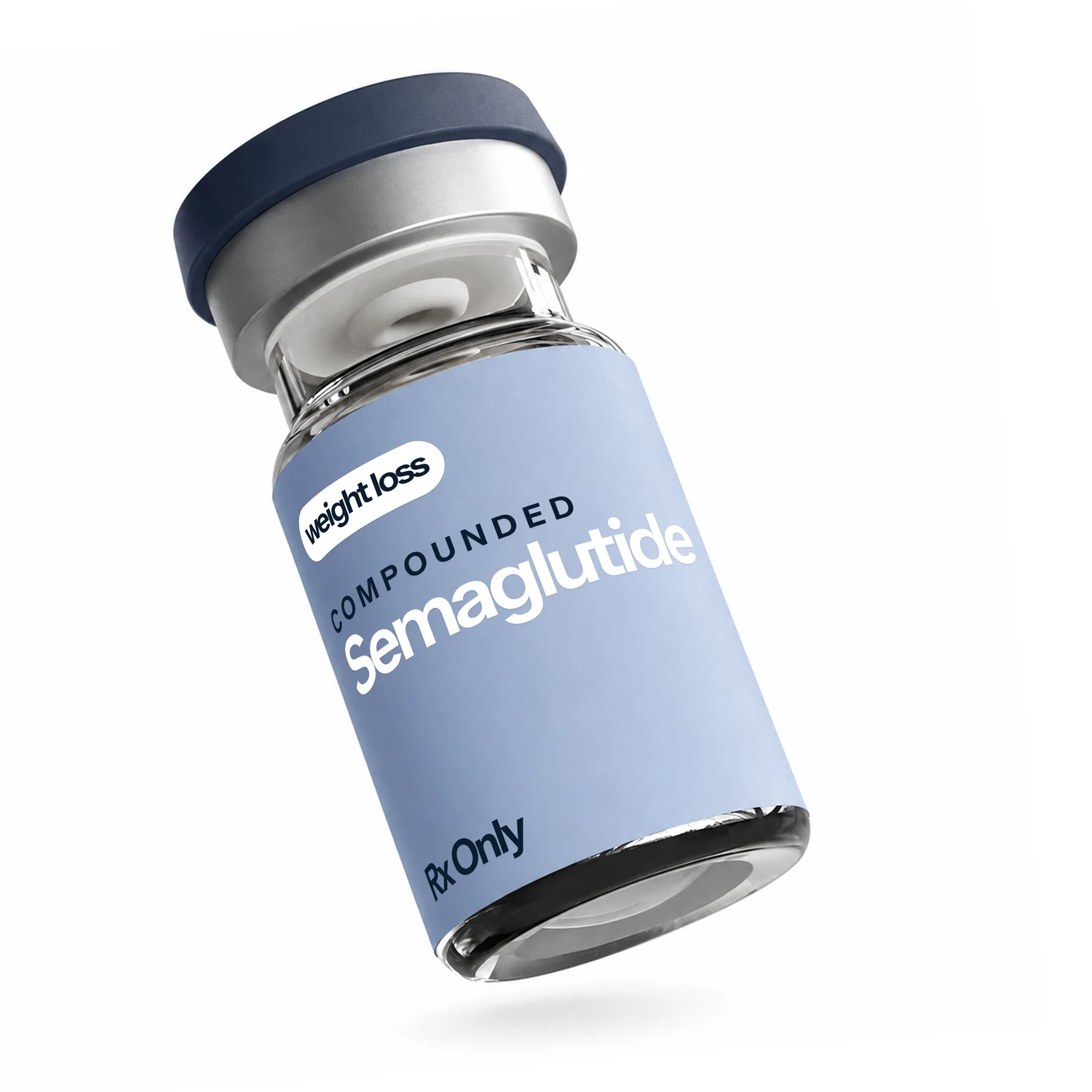
Compounded SemaglutideRx
Weekly GLP-1 injection.
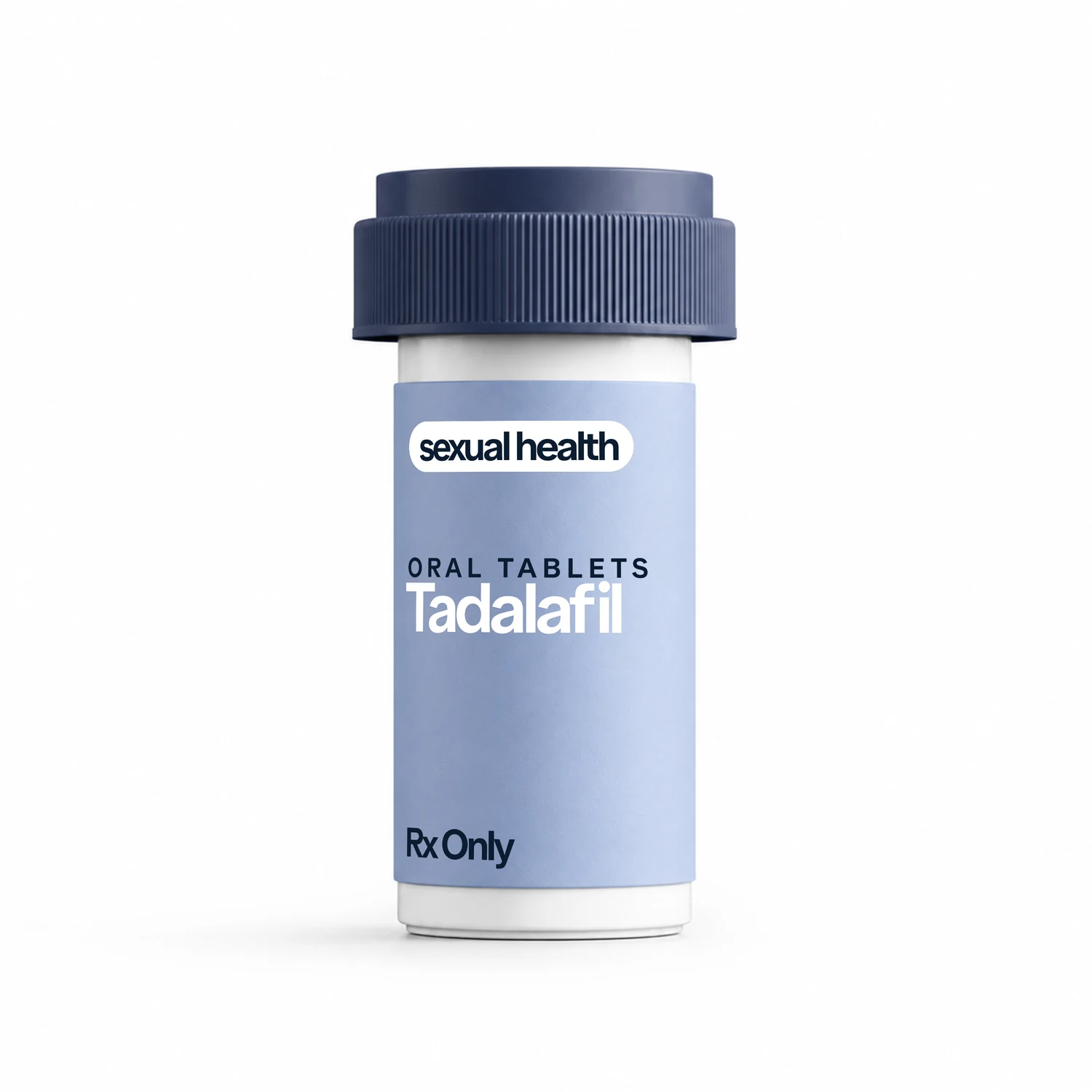
TadalafilRx
Generic Cialis®. Lasts up to 36 hours.
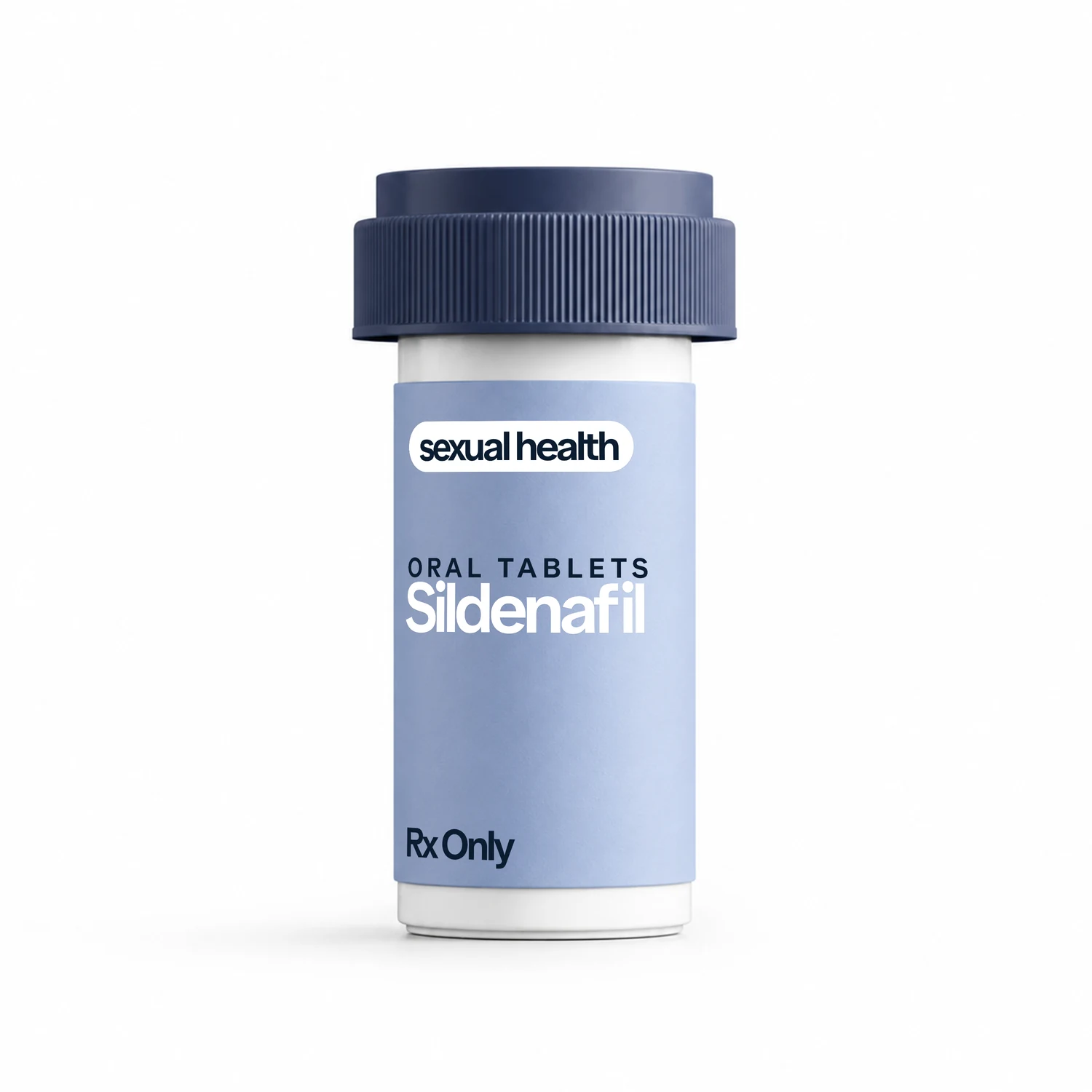
SildenafilRx
Generic Viagra®. Works in 30 minutes.
FinasterideRx
Generic Propecia®. Blocks DHT daily.
Hair Regrowth SprayRx
3-in-1 topical: finasteride + minoxidil + tretinoin.
ED Cardiovascular Disease Warning: What Your Body Is Telling You

Written by Michael H.
Published March 13, 2026

Key Takeaways
# ED Cardiovascular Disease Warning: What Your Body Is Telling You
If you searched "erectile dysfunction heart attack" or wondered whether ED is connected to something more serious than a bedroom problem, you searched the right question. The short answer, supported by decades of cardiology research, is yes. Erectile dysfunction is frequently the first measurable sign that the cardiovascular system is under stress — and it can appear three to five years before a cardiac event.
This is not a scare tactic. It is a clinical pattern that cardiologists and urologists now consider standard knowledge. Understanding the connection does not require alarm. It requires attention.
The Plumbing Problem: Why ED and Heart Disease Share the Same Root
The mechanism behind both conditions is the same: endothelial dysfunction. The endothelium is the thin cellular lining of every blood vessel in the body. When it stops functioning correctly — typically due to inflammation, oxidative stress, or metabolic disease — vessels lose their ability to dilate on demand.
An erection depends entirely on rapid, high-volume blood flow into the corpora cavernosa, two columns of sponge-like tissue in the penis. That blood flow is triggered when the endothelium releases nitric oxide, which signals surrounding smooth muscle to relax and allow engorgement. When the endothelium is compromised, nitric oxide production drops, blood flow is restricted, and erection either fails or cannot be maintained.
The penile artery — the vessel most directly responsible for erectile blood flow — has an internal diameter of roughly 1 to 2 millimeters. The coronary arteries that supply the heart measure 3 to 4 millimeters. Because the penile artery is smaller, the same degree of arterial narrowing that is subclinical in the heart produces a noticeable functional deficit below the belt first. The penis, in this sense, acts as a vascular early-warning system.
What the Research Actually Shows
The clinical data on this connection is substantial. A landmark study published in the *Journal of the American College of Cardiology* found that men with ED had a significantly elevated risk of major adverse cardiovascular events compared to men without ED, independent of traditional risk factors such as age, smoking, and hypertension.
The American Heart Association has acknowledged ED as an independent risk marker for cardiovascular disease. The American Urological Association recommends that clinicians evaluating men with ED also assess cardiovascular risk, particularly in men under 60 presenting without an obvious psychological cause.
According to research published in *Circulation*, men with ED face approximately a 44 percent higher risk of a cardiovascular event than men without ED. Results may vary based on individual health profile, age, and coexisting conditions.
The timeline matters. Studies consistently show that ED precedes a first cardiac event by an average of three to five years. That window is not a curse. It is an opportunity to intervene.

Risk Factors That Drive Both Conditions Simultaneously
Atherosclerosis — the buildup of plaque inside arterial walls — is the shared substrate of ED and coronary artery disease. Several conditions accelerate it:
- Type 2 diabetes damages both endothelial cells and peripheral nerves, compounding vascular ED with neurogenic ED.
- Hypertension creates shear stress on vessel walls that degrades endothelial function over time.
- Dyslipidemia (elevated LDL, low HDL) deposits cholesterol into arterial walls, narrowing lumen diameter.
- Obesity, particularly central adiposity, drives systemic inflammation and suppresses testosterone, both of which impair vascular health.
- Tobacco use is among the most potent direct endothelial toxins known.
A man in his late 40s or 50s who notices declining erectile function and who carries two or three of these risk factors should treat the symptom as a referral signal, not a personal failing.
National Nutrition Month: Eating for Vascular Health After 40
March is National Nutrition Month, and the dietary fundamentals that protect the heart are the same ones that preserve erectile function. This is not coincidence. Both outcomes depend on endothelial integrity and systemic inflammation levels.
The Mediterranean dietary pattern — built around vegetables, legumes, whole grains, olive oil, fish, and moderate nuts — has the strongest evidence base for cardiovascular protection in men over 40. A study published in *The American Journal of Clinical Nutrition* found that closer adherence to the Mediterranean diet was associated with lower rates of erectile dysfunction. Results may vary.
Practical pivots for the man who is not going to overhaul his entire pantry this week:
- Protein at every meal. Men over 40 require approximately 1.2 to 1.6 grams of protein per kilogram of body weight daily to maintain lean muscle, support testosterone production, and regulate appetite. Lean beef, chicken, fish, and eggs are straightforward sources.
- Replace seed oils with olive oil. A single-ingredient substitution that reduces pro-inflammatory omega-6 fatty acid load.
- Prioritize sleep. The National Heart, Lung, and Blood Institute identifies inadequate sleep as a direct driver of hypertension and metabolic dysfunction — both of which accelerate vascular disease. Seven to nine hours is not optional maintenance. It is structural.
- Reduce refined carbohydrates. Post-meal blood sugar spikes generate oxidative stress that directly damages endothelial cells.
None of these changes require a nutrition degree. They require a decision.
Where Good Guy Rx Fits
Good Guy Rx is a technology platform. It connects men to independent licensed physicians and independent state-licensed pharmacies. It does not manufacture medications. It does not dispense medications. What it does is remove the logistical friction between a man who has a real medical question and the licensed provider who can answer it.
If a licensed provider determines that medication is appropriate after reviewing your intake and health history, two options are commonly prescribed for vascular ED:
- [Sildenafil](https://care.goodguyrx.com/start-online-visit/sildenafil) (sildenafil citrate) is a PDE5 inhibitor — the class of medication that works by amplifying the nitric oxide signal in penile vascular tissue. It is taken as needed, typically 30 to 60 minutes before activity. It is available in both brand-name and compounded forms. Compounded medications are prepared by state-licensed compounding pharmacies in accordance with FDA regulations and are not FDA-approved.
- [Tadalafil](https://care.goodguyrx.com/start-online-visit/tadalafil) (tadalafil) is the same drug class with a significantly longer half-life — up to 36 hours — making it suitable for daily low-dose use or as-needed dosing. Many men with vascular ED prefer the flexibility. It is also available in compounded and brand-name forms, with the same regulatory distinction noted above.

Neither medication addresses the underlying vascular condition. A licensed provider reviewing your intake may recommend concurrent cardiovascular screening. That is appropriate and, given the research above, expected.
What to Do Next
Step 1: Take the symptom seriously. Erectile dysfunction that is new, progressive, or inconsistent with your stress or relationship context is a clinical data point. Note when it started and under what circumstances.
Step 2: Talk to a licensed provider — not a support line. The Good Guy Rx patient portal connects you directly to an independent licensed physician who can review your health history, ask follow-up questions, and determine whether cardiovascular workup is warranted alongside any ED treatment.
Step 3: Get basic labs if you have not recently. Blood pressure, fasting glucose, lipid panel, and testosterone are the baseline picture. Many men have not had these checked in years.
Step 4: Start one dietary change this month. National Nutrition Month is a reasonable prompt. Add protein to breakfast. Swap one refined-carbohydrate staple for a Mediterranean alternative. Sleep seven hours. These are not heroic acts. They are maintenance.
The window between early ED and a cardiovascular event is not inevitable. It is actionable.
Sources
- Erectile Dysfunction and Risk of Cardiovascular Events — *Journal of the American College of Cardiology* — https://www.jacc.org/doi/10.1016/j.jacc.2005.06.065
- Erectile Dysfunction and Future Cardiovascular Events — *Circulation* — https://www.ahajournals.org/doi/10.1161/CIRCULATIONAHA.106.621912
- American Urological Association: Erectile Dysfunction Guideline — https://www.auanet.org/guidelines-and-quality/guidelines/erectile-dysfunction-guideline
- American Heart Association: Erectile Dysfunction and Heart Disease — https://www.heart.org/en/health-topics/consumer-healthcare/what-is-cardiovascular-disease/erectile-dysfunction-and-heart-disease
- Mediterranean Diet and Erectile Dysfunction — *The American Journal of Clinical Nutrition* — https://academic.oup.com/ajcn/article/82/1/221S/4863422
- National Heart, Lung, and Blood Institute: Sleep Deprivation and Disease — https://www.nhlbi.nih.gov/health-topics/sleep-deprivation-and-deficiency
This article is for informational purposes only and does not constitute medical advice. Talk with a licensed provider through the patient portal before starting any treatment.
References
- [Erectile Dysfunction and Future Cardiovascular Events — *Circulation* — https://www.ahajournals.org/doi/10.1161/CIRCULATIONAHA.106.621912](https://www.ahajournals.org/doi/10.1161/CIRCULATIONAHA.106.621912)
- [American Urological Association: Erectile Dysfunction Guideline — https://www.auanet.org/guidelines-and-quality/guidelines/erectile-dysfunction-guideline](https://www.auanet.org/guidelines-and-quality/guidelines/erectile-dysfunction-guideline)
- [American Heart Association: Erectile Dysfunction and Heart Disease — https://www.heart.org/en/health-topics/consumer-healthcare/what-is-cardiovascular-disease/erectile-dysfunction-and-heart-disease](https://www.heart.org/en/health-topics/consumer-healthcare/what-is-cardiovascular-disease/erectile-dysfunction-and-heart-disease)
- [Mediterranean Diet and Erectile Dysfunction — *The American Journal of Clinical Nutrition* — https://academic.oup.com/ajcn/article/82/1/221S/4863422](https://academic.oup.com/ajcn/article/82/1/221S/4863422)
- [National Heart, Lung, and Blood Institute: Sleep Deprivation and Disease — https://www.nhlbi.nih.gov/health-topics/sleep-deprivation-and-deficiency](https://www.nhlbi.nih.gov/health-topics/sleep-deprivation-and-deficiency)
- This article is for informational purposes only and does not constitute medical advice. Talk with a licensed provider through the patient portal before starting any treatment.*
Share this article

Ready to start your journey?
Complete your free online visit and see if GLP-1 treatment is right for you.
Get Started